
Categories
Everyday Life in Hungary

What Does an Expat Like Me Do All Day?

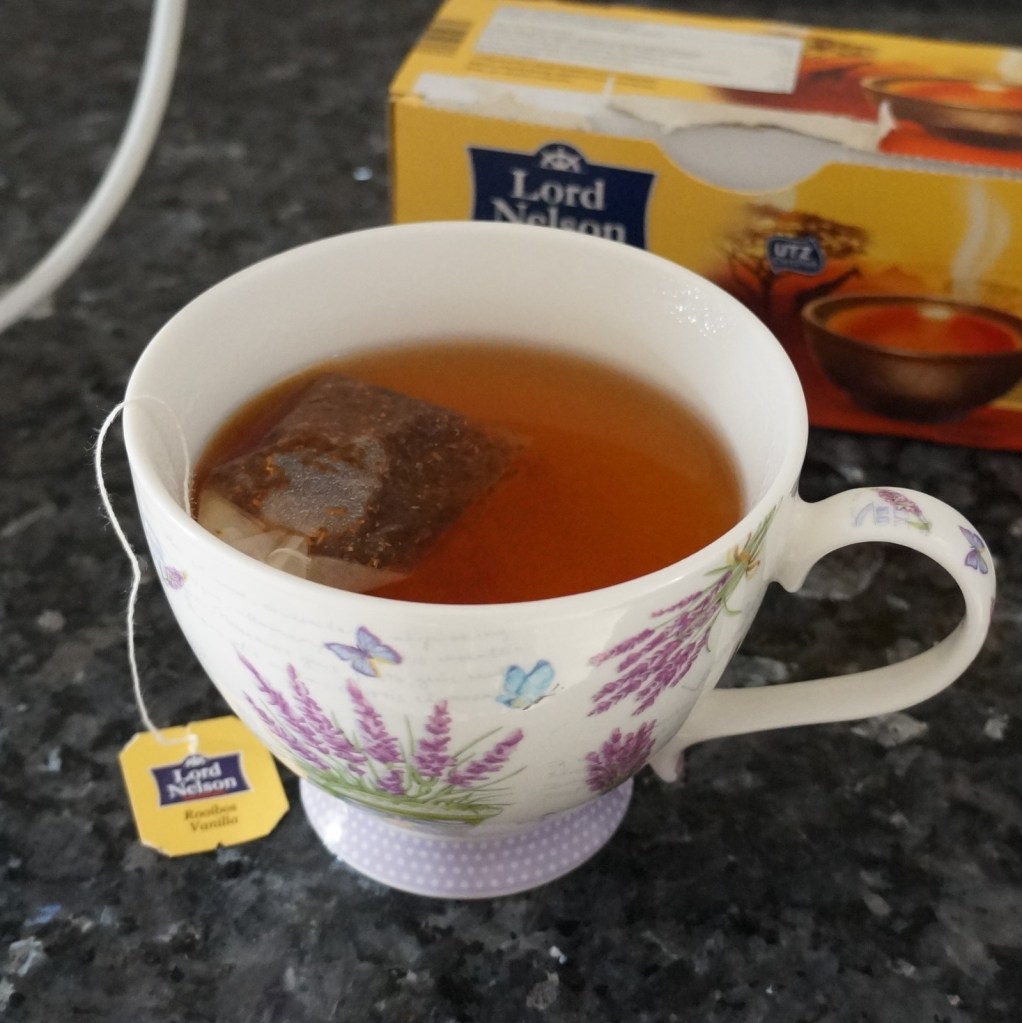
I am a young retiree but don’t actually feel I am retired. I have not been in paid employment for the last 13 years, I am sure I am not alone when I say I work harder at home than I ever did in all my years of paid employment. My roles have generally been the same over my retirement years, I still keep house, shop, cook, clean, do laundry, dig the garden, be wife, be mother, be nurse and lots of other general things but I still find time to be me. My time to do what I WANT to do, it’s important for me to set aside a portion of each day to self indulge. My passions are photography, journaling, photography and writing, these hobbies I practise daily. I also find time to read, craft and cook. Sometimes I think the busier I am the more I can cram in. I set myself mental goals each morning as I sit and have my first cup of tea. I don’t stress too much if I don’t achieve everything, there’s always tomorrow!
Since the Coronavirus has taken hold, our lives in Hungary are not a lot different from the way they were before. We are isolated in a rural village and have to drive everywhere anyway. We have always shopped in bulk and made good use of the farm in the village for milk, cheeses and meats. I must admit to doing more meal planning and writing long lists to ensure we don’t have to leave the house unnecessarily. We are shopping for 2 weeks at a time at present and luckily have enough freezer space to eat plentifully as and when we want. Ironically the situation has made us think seriously about growing more of our own food. As a family, we eat a ton of fruit and veg and growing them ourselves will not only be cheaper and cleaner but will give us that total satisfaction of eating our own produce.
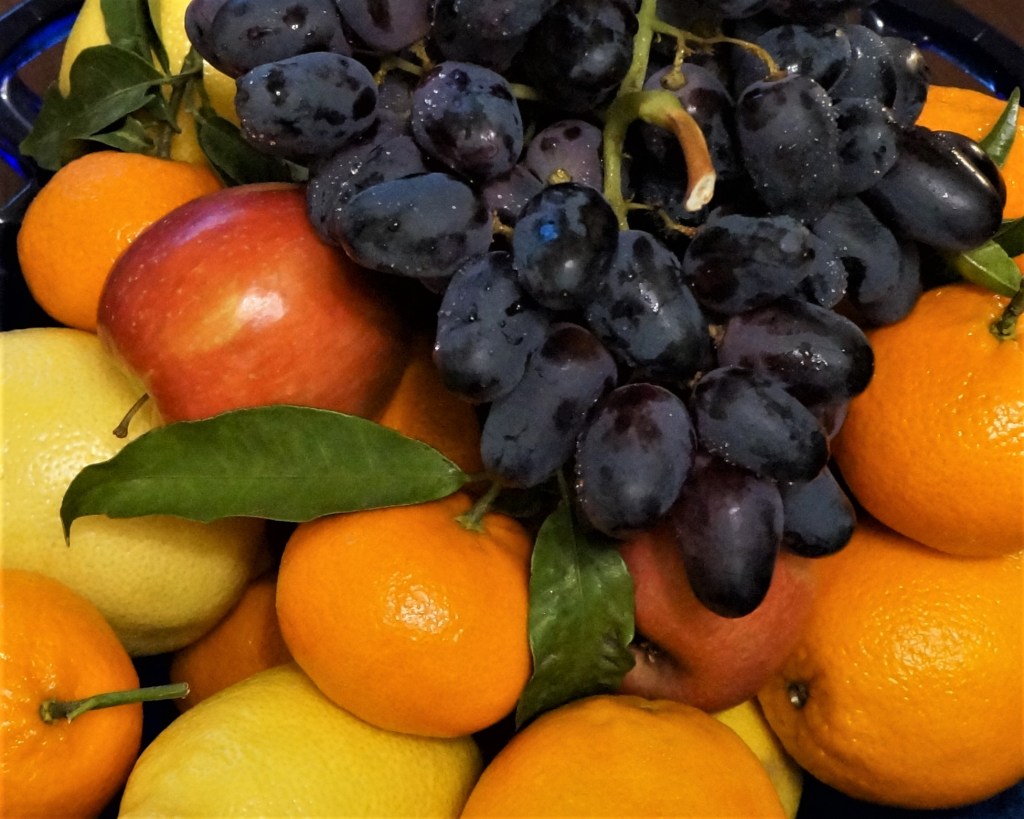
I thought it would be interesting to record what I actually do during my days of retirement. Maybe you have days like mine or you have different daily routines, things you HAVE to do on a regular basis and sadly restricts your time for you to do anything else.

My Typical Day

  • I usually wake early when it gets light, around 6.30 am at the moment, turn on my phone and check my sleep tracker. I am sort of obsessive about this and manage mostly to sleep for more than 8 hours.
  • I make hot drinks for Eric and I, either Earl Grey or Vanilla tea for me and milky coffee for Eric. Time to sit in front of my PC for usually an hour or so, checking emails, reading the news and checking social media.
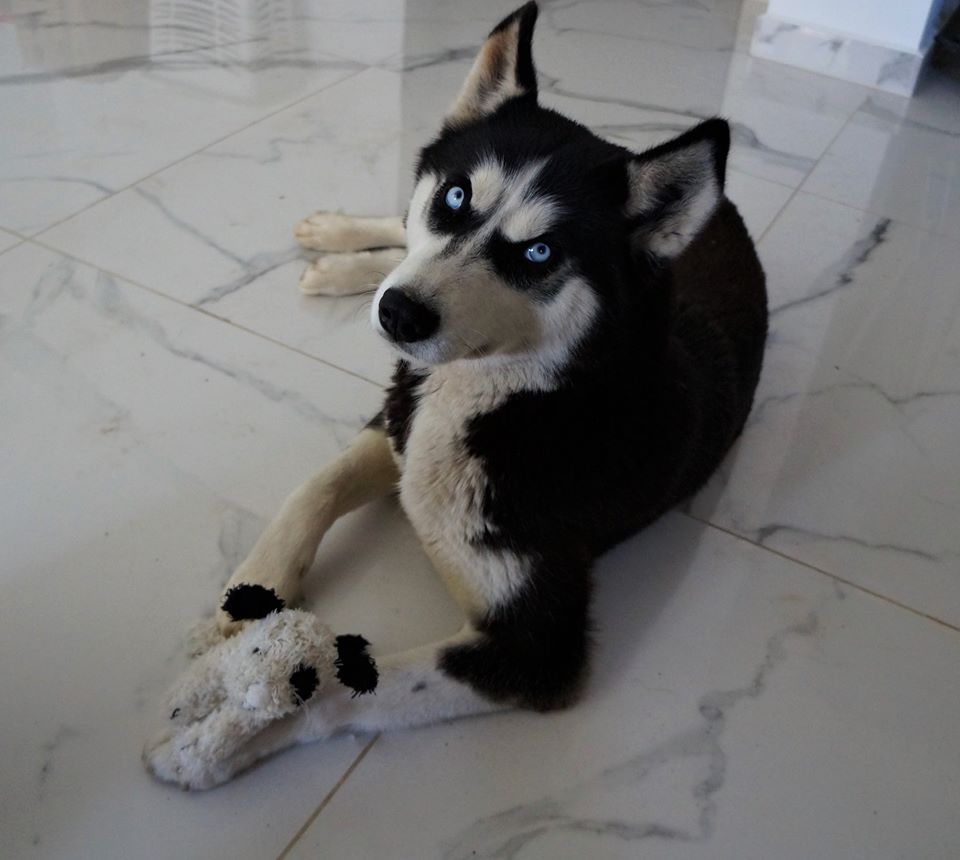
  • Next job is to let Haley our dog out of her kennel. She is an outdoor dog but does spend time inside too. She is always boisterous and energetic first thing, charging around the garden and speed sniffing all her usual spots. I get a love from her when she has finished checking the perimeters of our garden!
  • Time to decide on what to have for our meals, this usually entails removing meat from the freezer (for us and the dog) and vaguely planning side dishes and desserts. Our son has funny meal times and different tastes so I usually plan for him too. It’s a relief when the meals are sorted out.
  • Breakfast and then mundane jobs like emptying the dishwasher, vacuuming floors, laundry in. I am fortunate and have a laundry room so can wash and dry all year round, not like in England where we had a constant mountain of washing drying inside the house.
  • Today we were given (as sometimes happens) by the village gardener, some odd looking, unfamiliar bulbs….I tried to find out what they were but Eric could not remember what he had said. They needed to be in the ground right away so that was my first gardening job of the day. Goodness knows what will pop up.
  • We had collected some cow manure from the local farm the last time we got milk. Muck spreading was on my mental agenda of jobs to do so that was my next task. The fruit trees in our orchard were treated with this stinky treat. We have apple, almond, cherry and peach trees. Unfortunately, there was insufficient for the 6 walnut trees we planted last year. Another visit to the farmer will be needed.
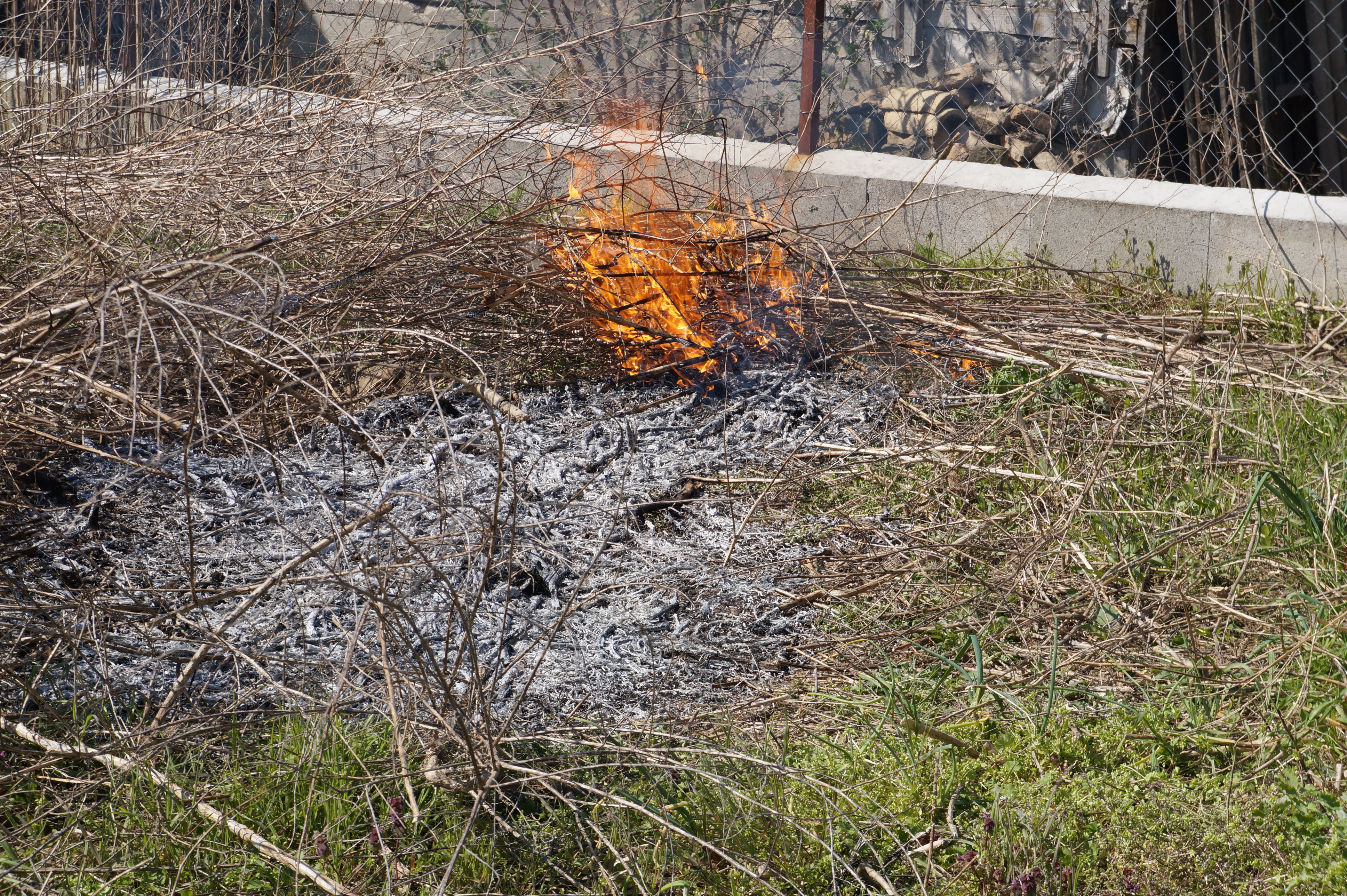
  • undefined The men (Eric and Raphael) decided it would be a good idea to have a bonfire and burn the mountain of dried weeds that had accumulated in one area of the vegetable plot. They burnt very well but gave off billowing smoke. Thankfully there are no restrictions about having bonfires here as there are in England.
  • I spread out all the seeds outside on the table that we had accumulated in our seed box. Some were 2 years old and had come from England, some were bought here and obviously, with instructions in Hungarian and various seeds we had collected and packeted. Eric and I discussed at length and decided what to plant where and managed to decipher the Hungarian seed packets with the help of Google Translate.
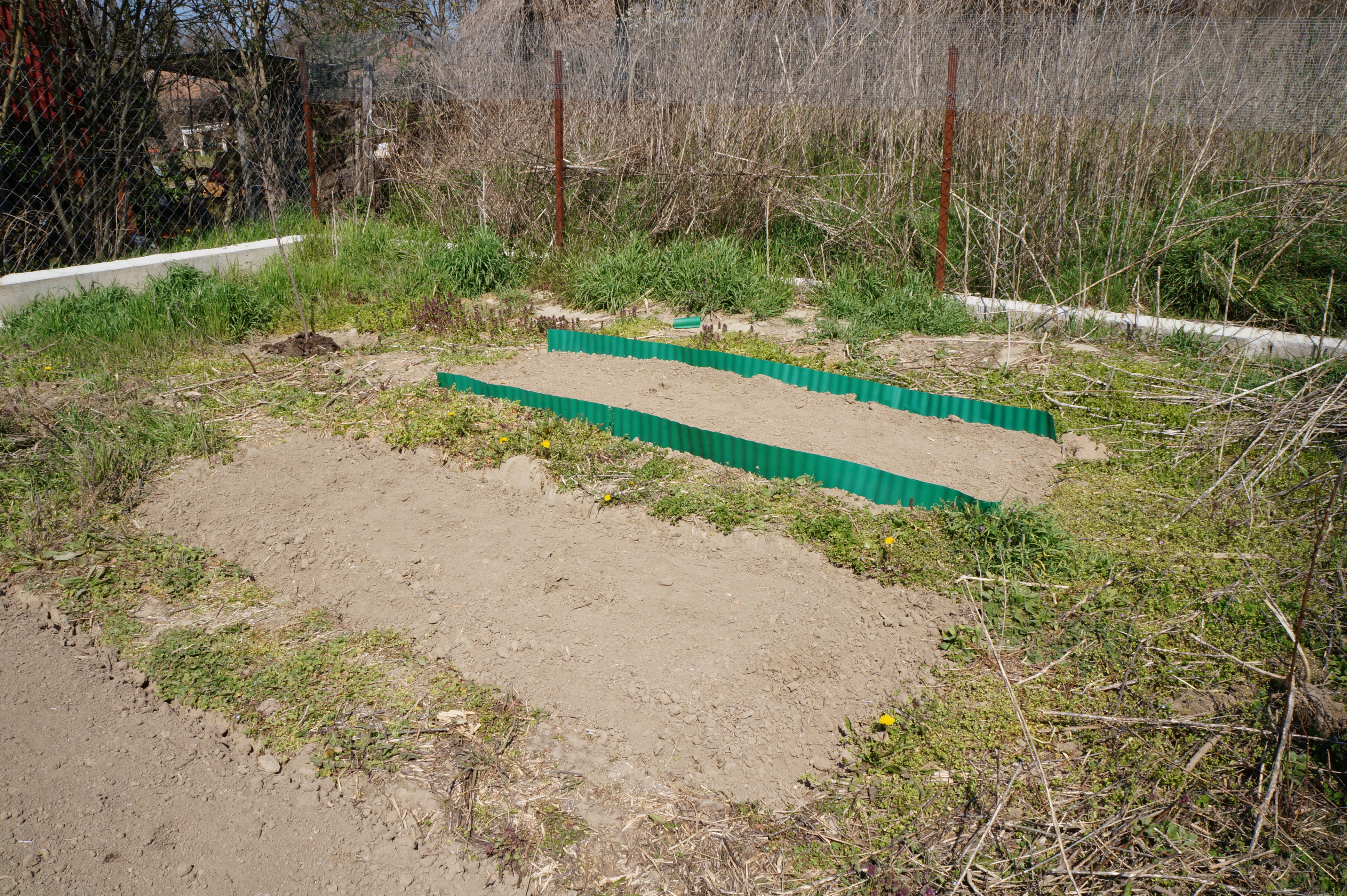
  • undefined Time to get physical, in the gardening sense! I wanted 4 veggie plots and had one left to do to accomplish this. The ground was hard as we have had no rain for a while, it had to be done so set to work with energetic enthusiasm. Haley managed to be a helpful hindrance, jumping all over the new veggie plots, I spent a lot of time shooing her off! By the time I had finished my enthusiasm had died and I needed to sit down. I was super proud of my 2 hour digging and weeding spell though.
  • The plan for our meal was BBQed beef, marinated in spicy chillies served with sumac, red onion salad and baked potatoes. Eric is ALWAYS the outdoor BBQ chef which is wonderful to eat food prepared by someone else. We all ate around 3pm, working in the garden made us all super hungry.
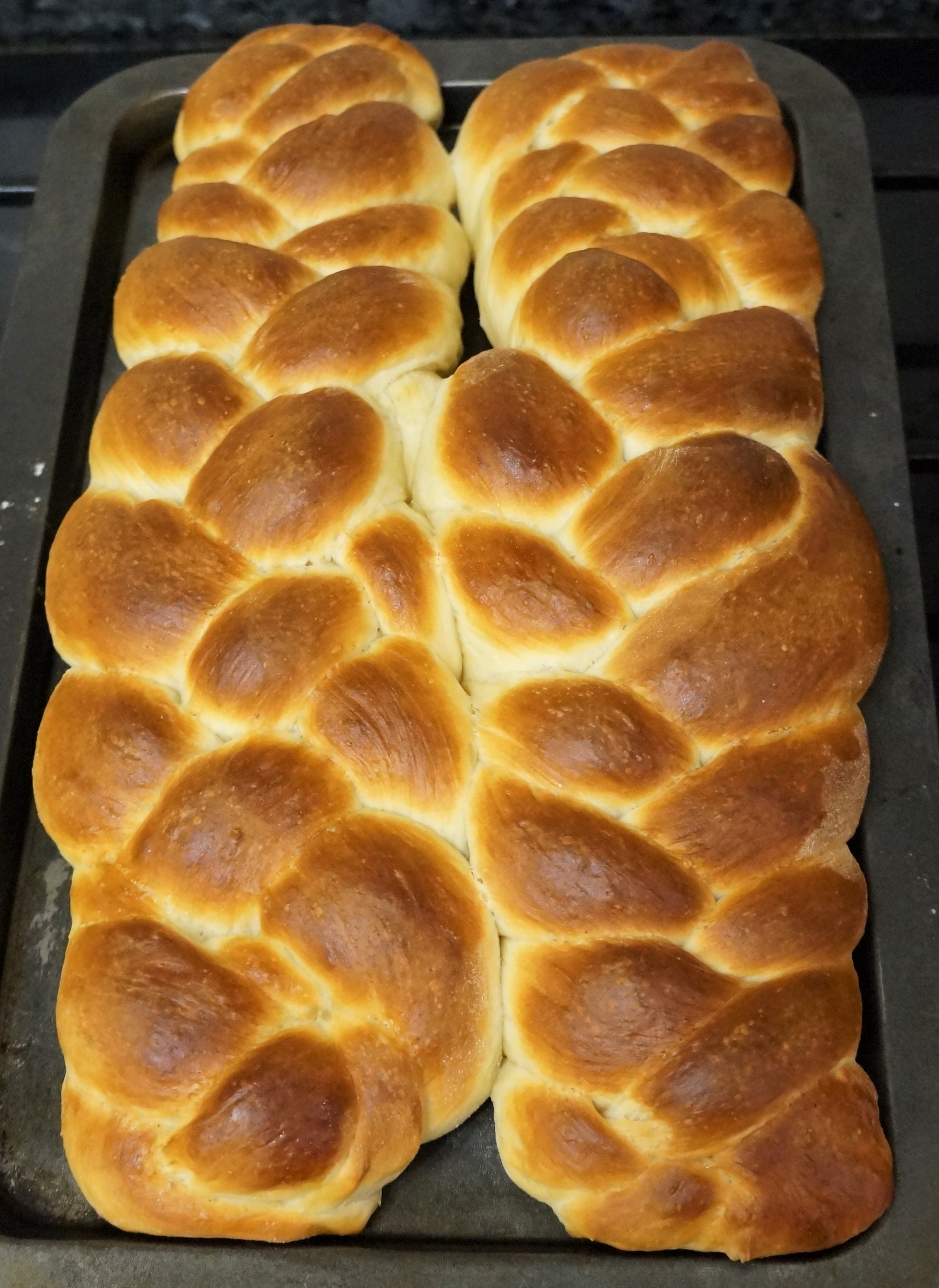
  • undefined By mistake, I had bought several bags of what I thought was bread flour when in fact it was actually all purpose flour. The men decided I needed to make something delicious! I sat at my PC and researched some traditional Hungarian bakes. I came across a Hungarian braided sweet bread (as in bread that is sweet), a brioche style bread traditionally eaten at Easter in Hungary. Since we are nearly at Easter I gave it a go. It was a resounding success. One to put in my recipe journal.
  • Back to mundane tasks, filling the dishwasher, clearing the kitchen, feeding Haley then putting her in her kennel for the night. Eric watered the garden (his daily task) whilst I sat down to my PC.
  • This is ‘Me’ time, everyone is fed, the household chores have been done so time for some blogging, reading, uploading and editing photographs and checking the news and social media.
  • Eric is usually in front of the television and Raphael is in his room gaming with his friends.
  • The last couple of hours of the evening are usually spent with Eric, chatting chilling or watching television before going to bed.
  • The last things I do before going to bed is to check my step counter, I’m regularly reaching my 4000 steps a day goal, today it was 5358! I also check the weather forecast for the next day….I never lose my English habits! Lastly, I read my Kindle for as long as it takes me to start yawning, it does not take long these days!
So that is one of my typical days, I am never bored and seem to be always on the go. Life in Hungary is generally thought to be slower than in England but I come to the evening every night and wonder where has the day gone? Tomorrow is a new day and another mental list of jobs is forming in my mind. More gardening, more cooking, more jobs but all with my lovely family around me, I am glad we are retired.
I would be interested to learn how other Expats spend their days. Maybe you can inspire me with your ideas, what you do in your free time, how you are entertaining yourself in this period of ‘lockdown’? I am always up for trying new things and learning new skills.
Categories
Everyday Life in Hungary

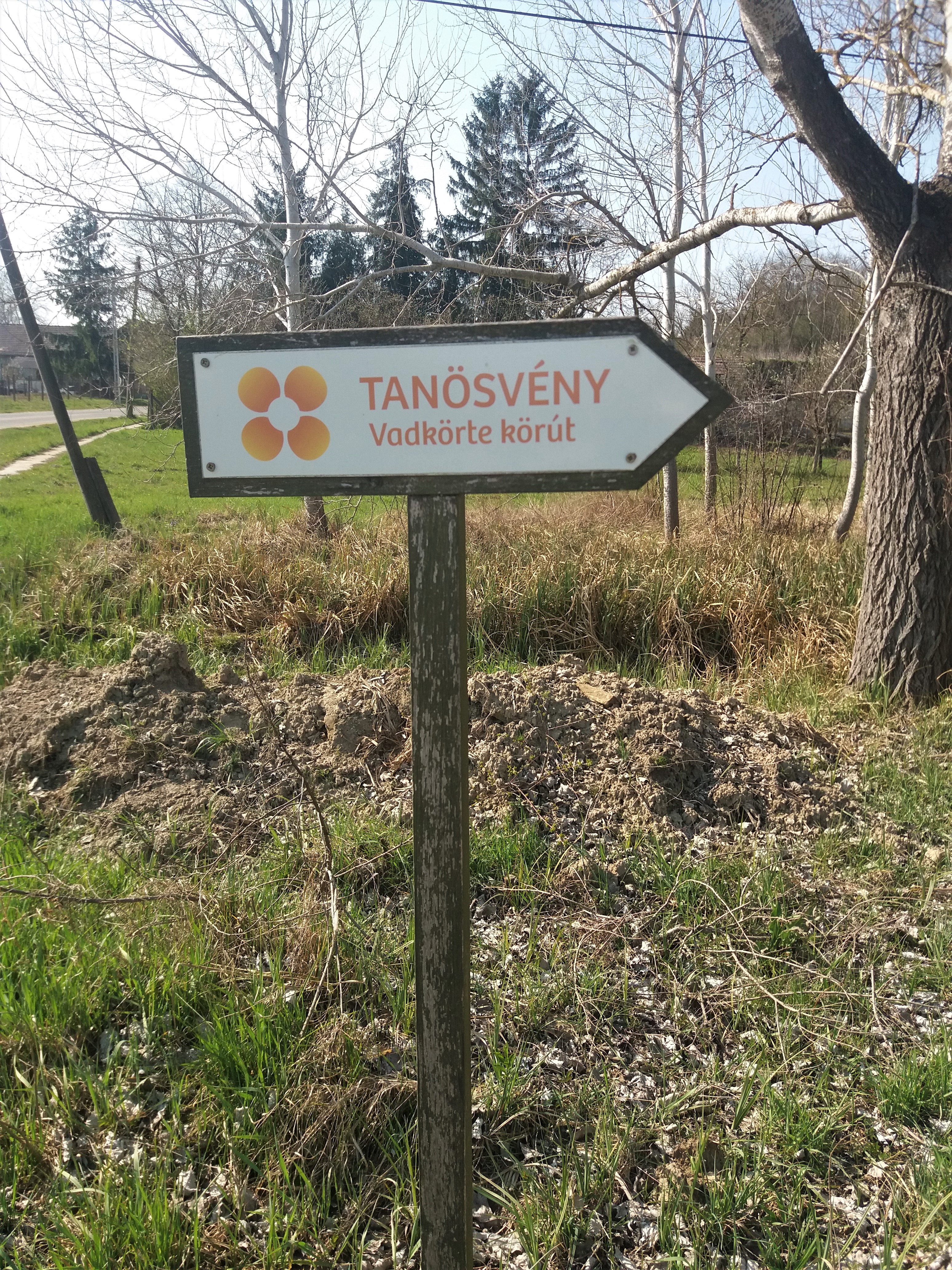
April Nature Trail Kisszékely, Hungary

April is here and time for our monthly walk around the nature trails of our little rural village in Hungary. The weather has been kind, so a great opportunity to photograph nature, the scenery and a multitude of animals we met along the way. I also took pictures of some of the colourful properties we encountered on our walk.

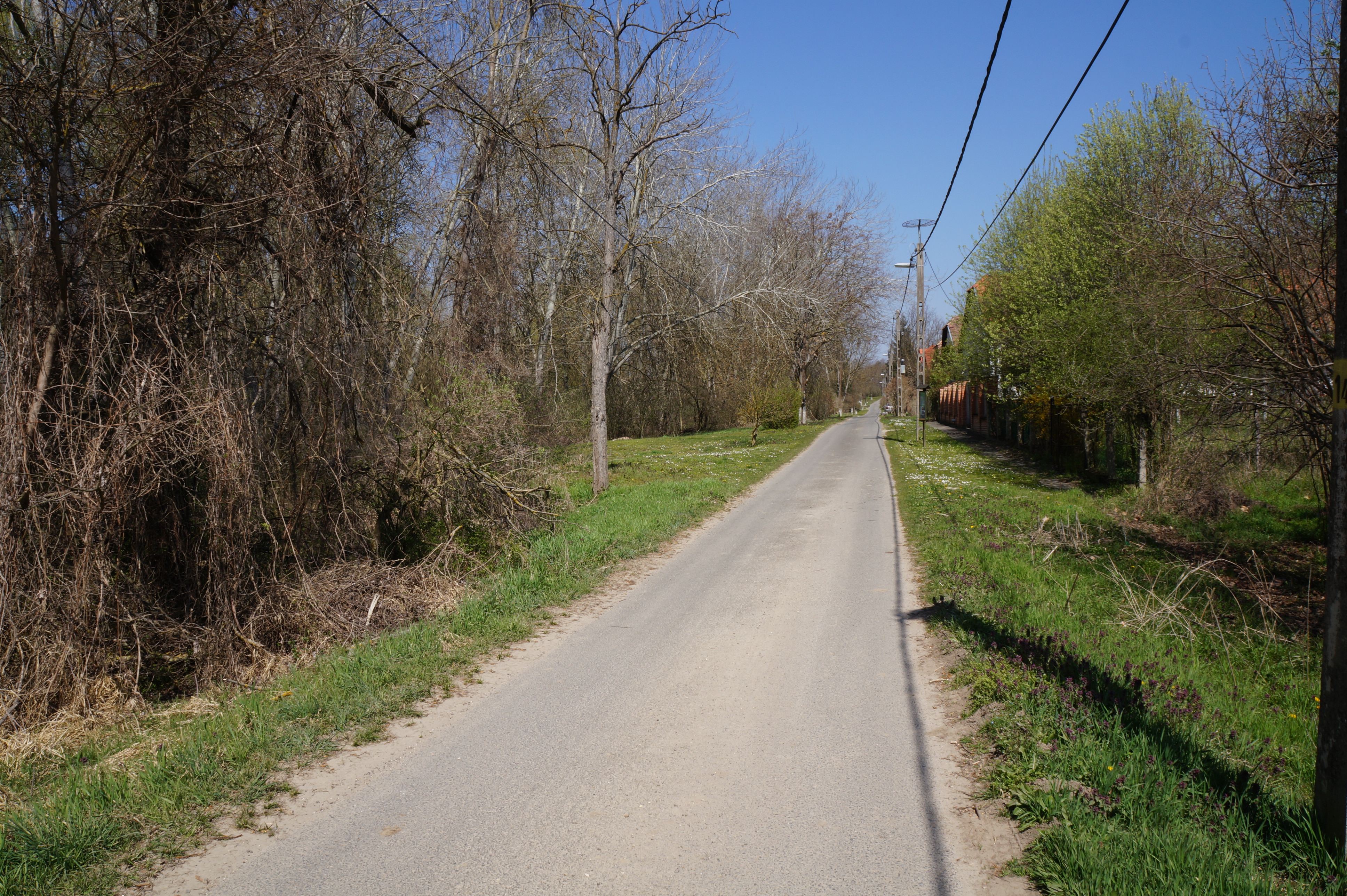
Nature Trail – Wild Pear Boulevard
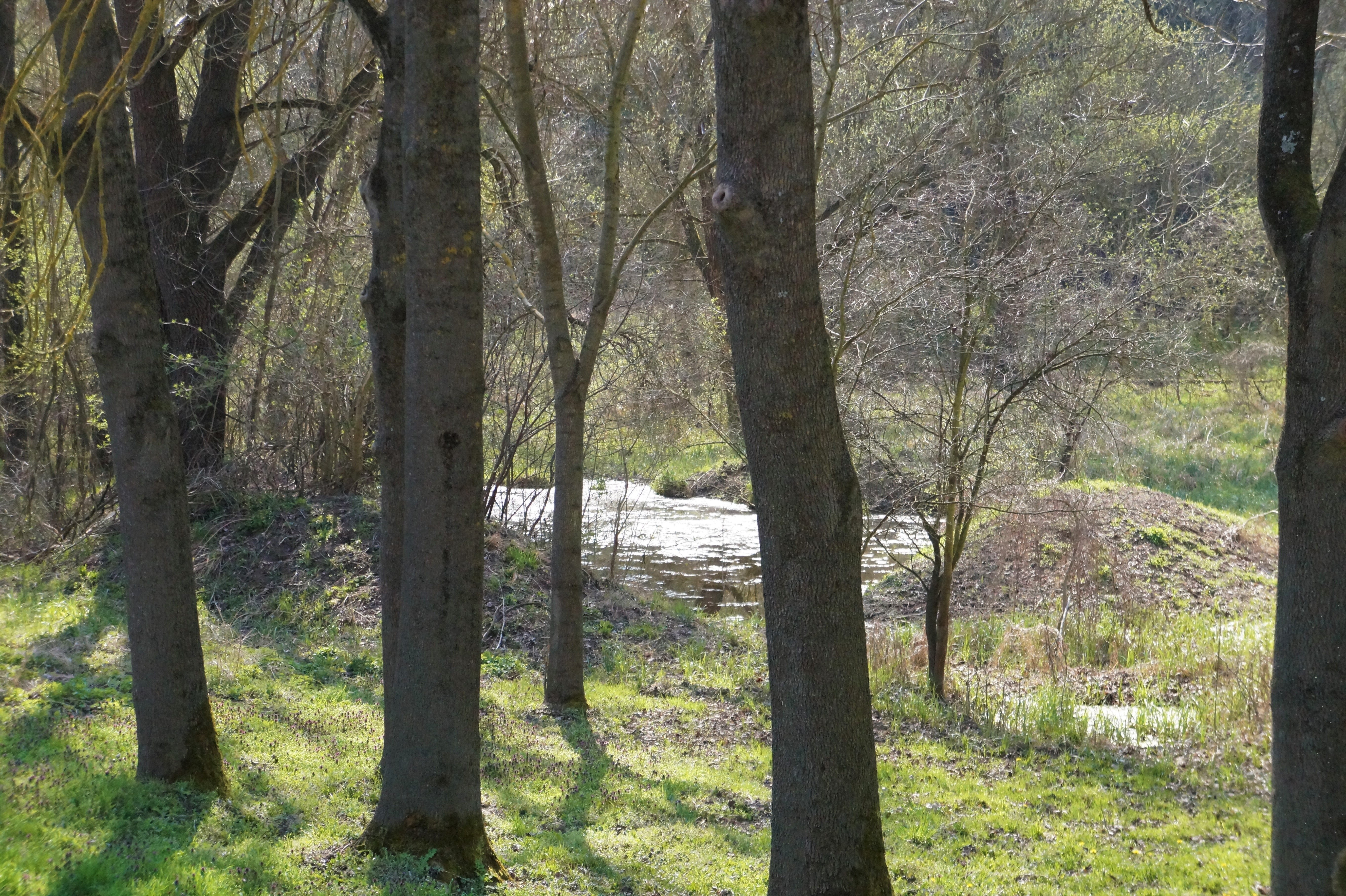
Hidden lakes of water between the trees.
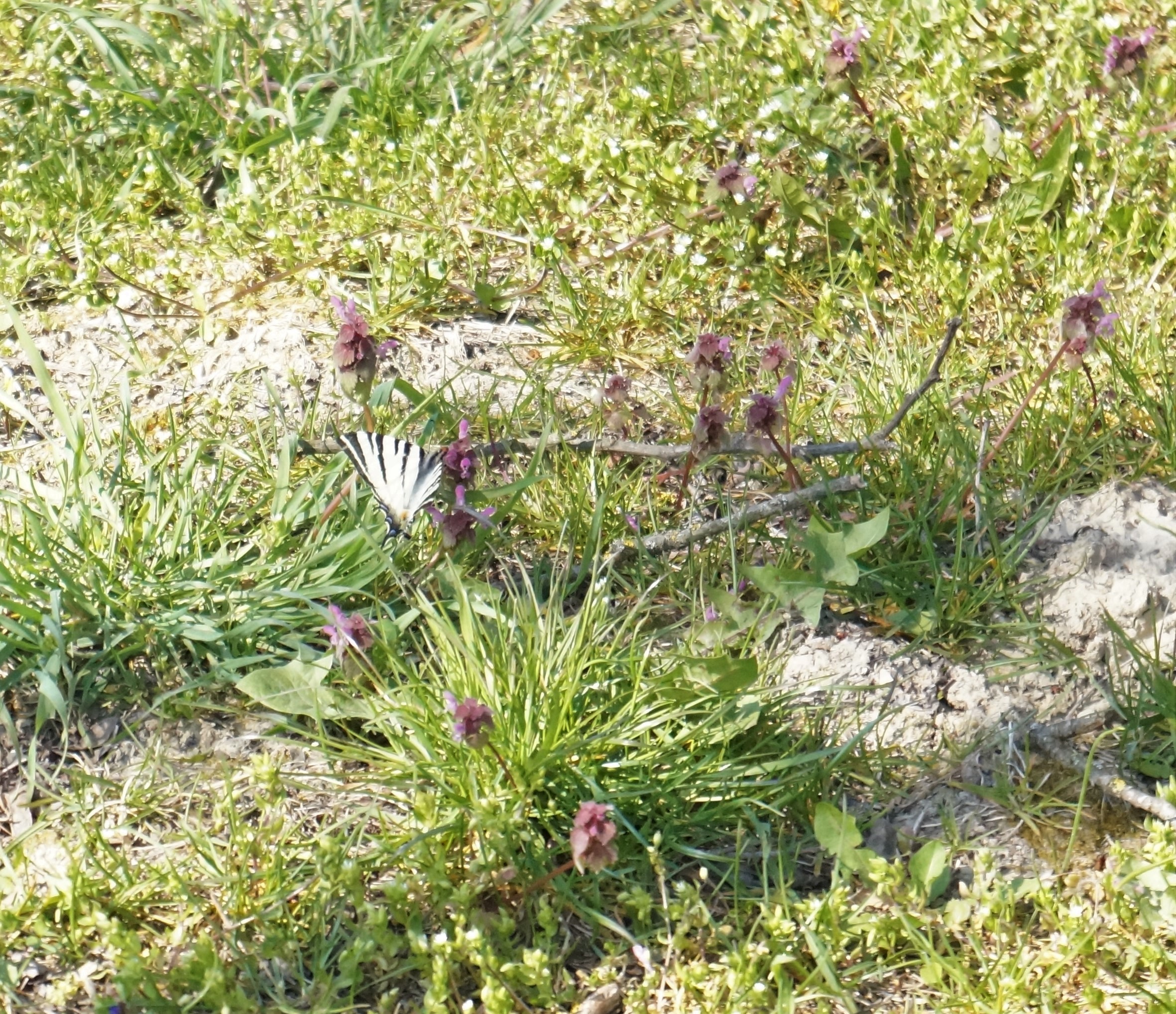
Butterflies enjoying the wildflowers.
Up the hill
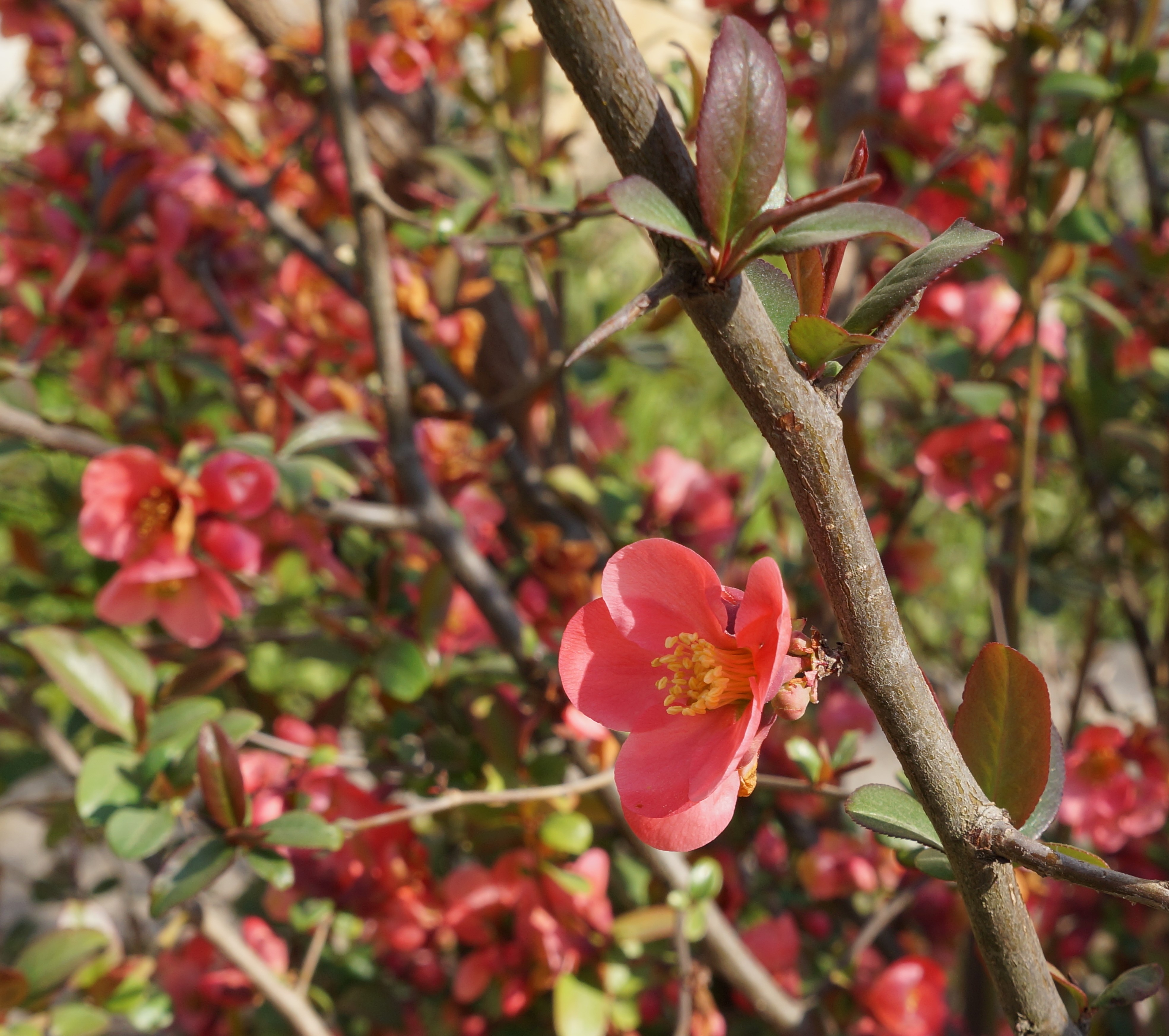
Gorgeous pinks along the trail.
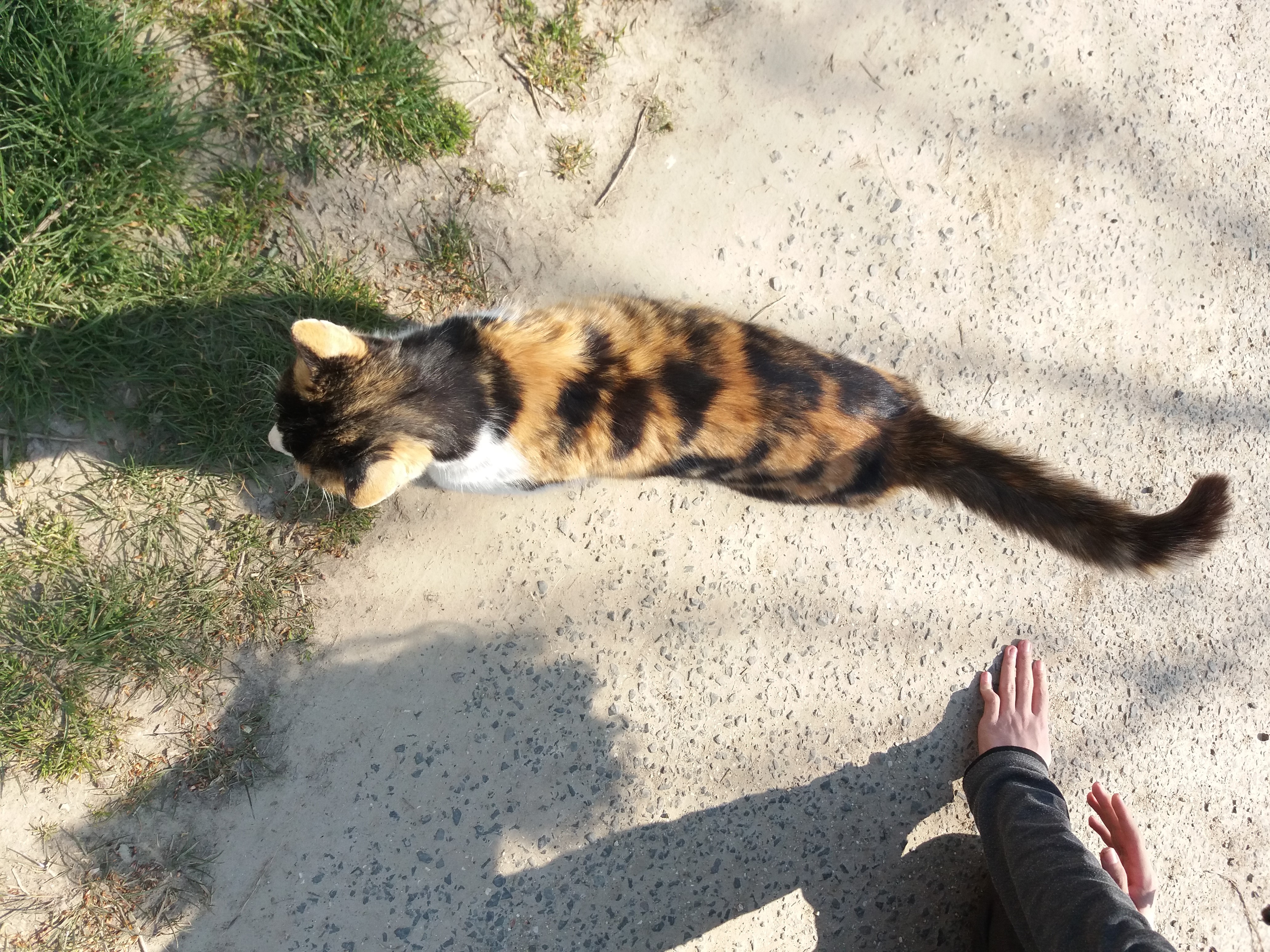
A friendly cat along the way.
Back Garden barn
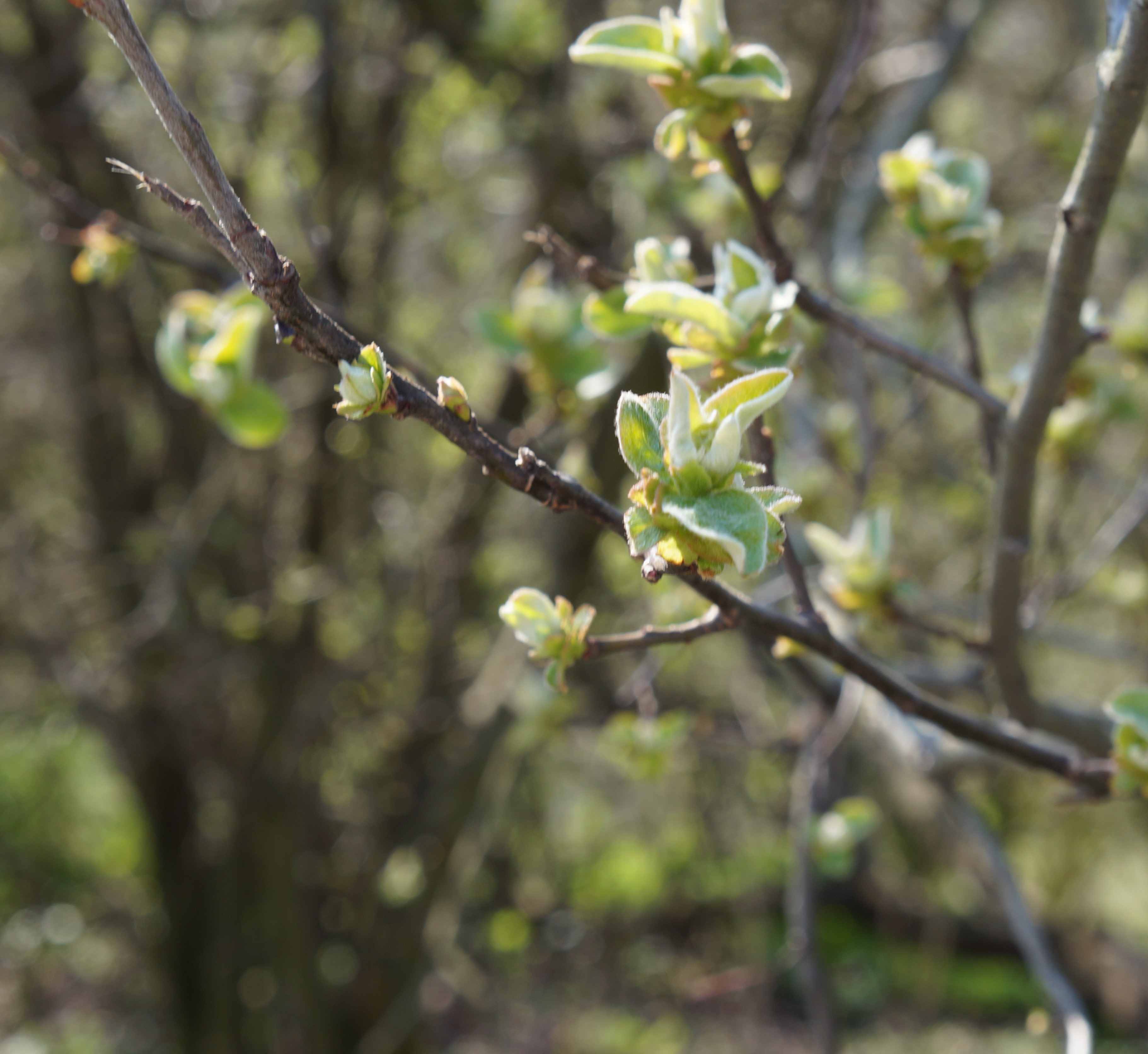
Trees bursting into life
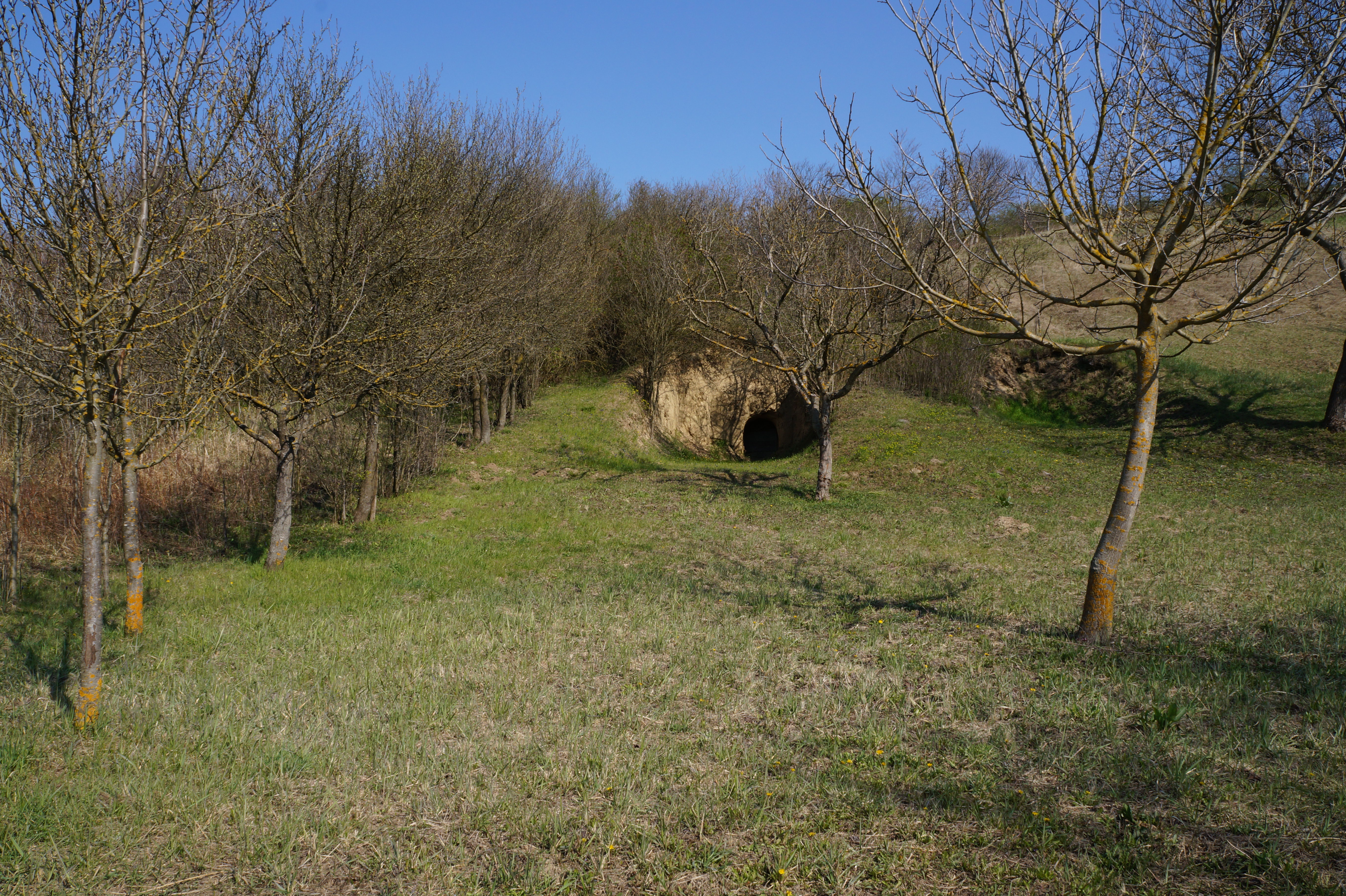
Intriguing entrance into the hillside
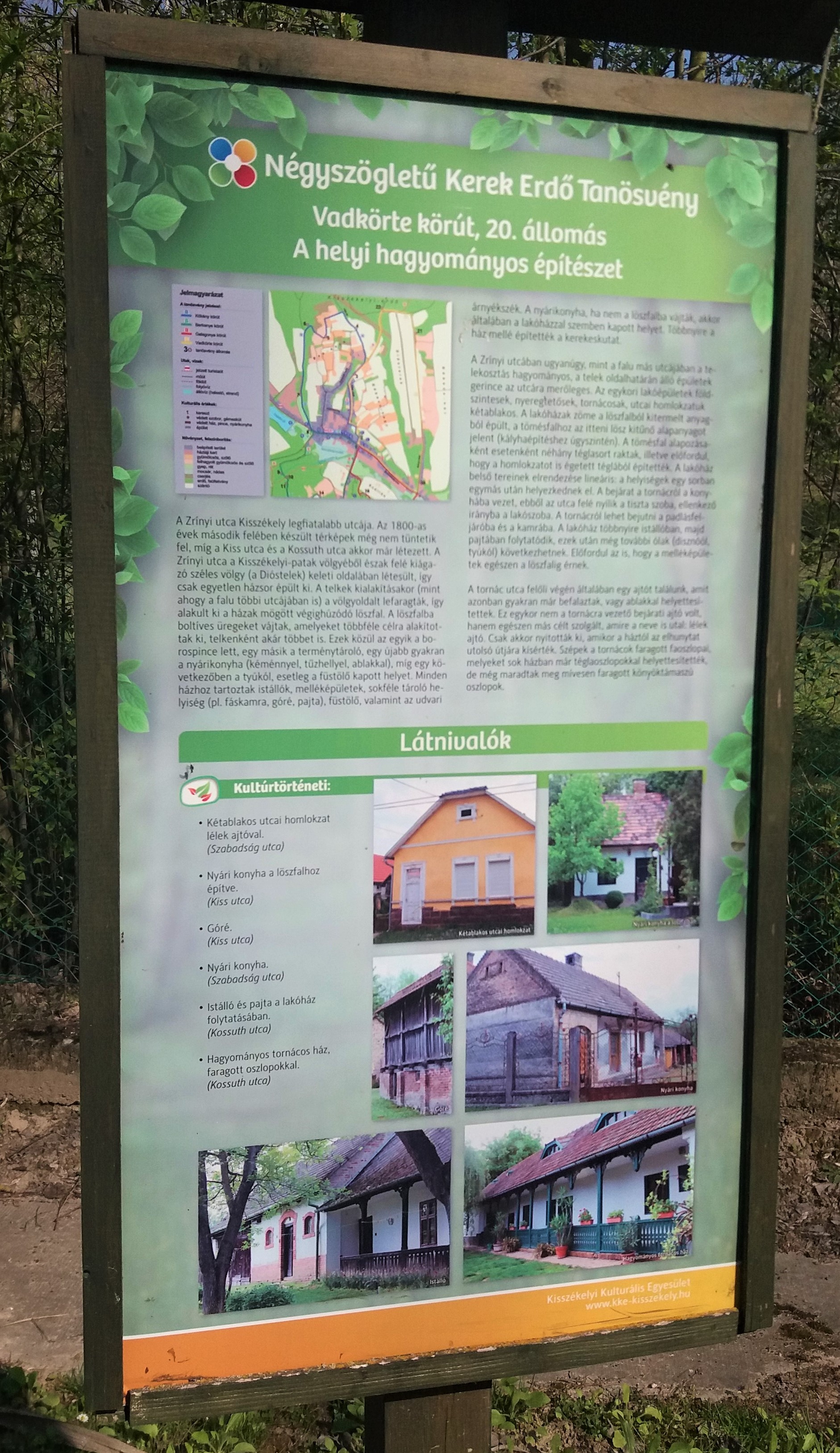
Information board and map of the trail
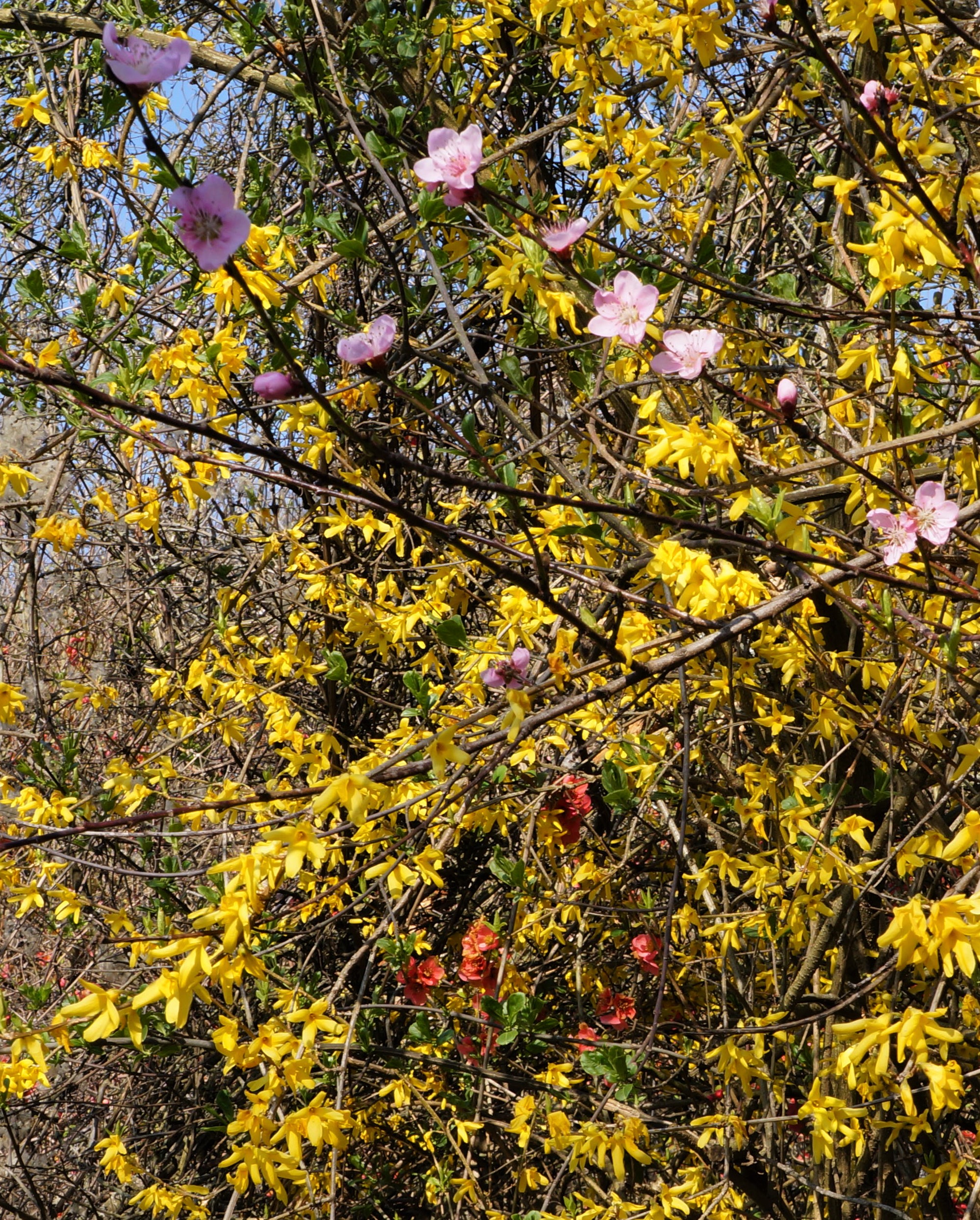
Spring flowers bloom in harmony
Signs on trees show we are going the right way!
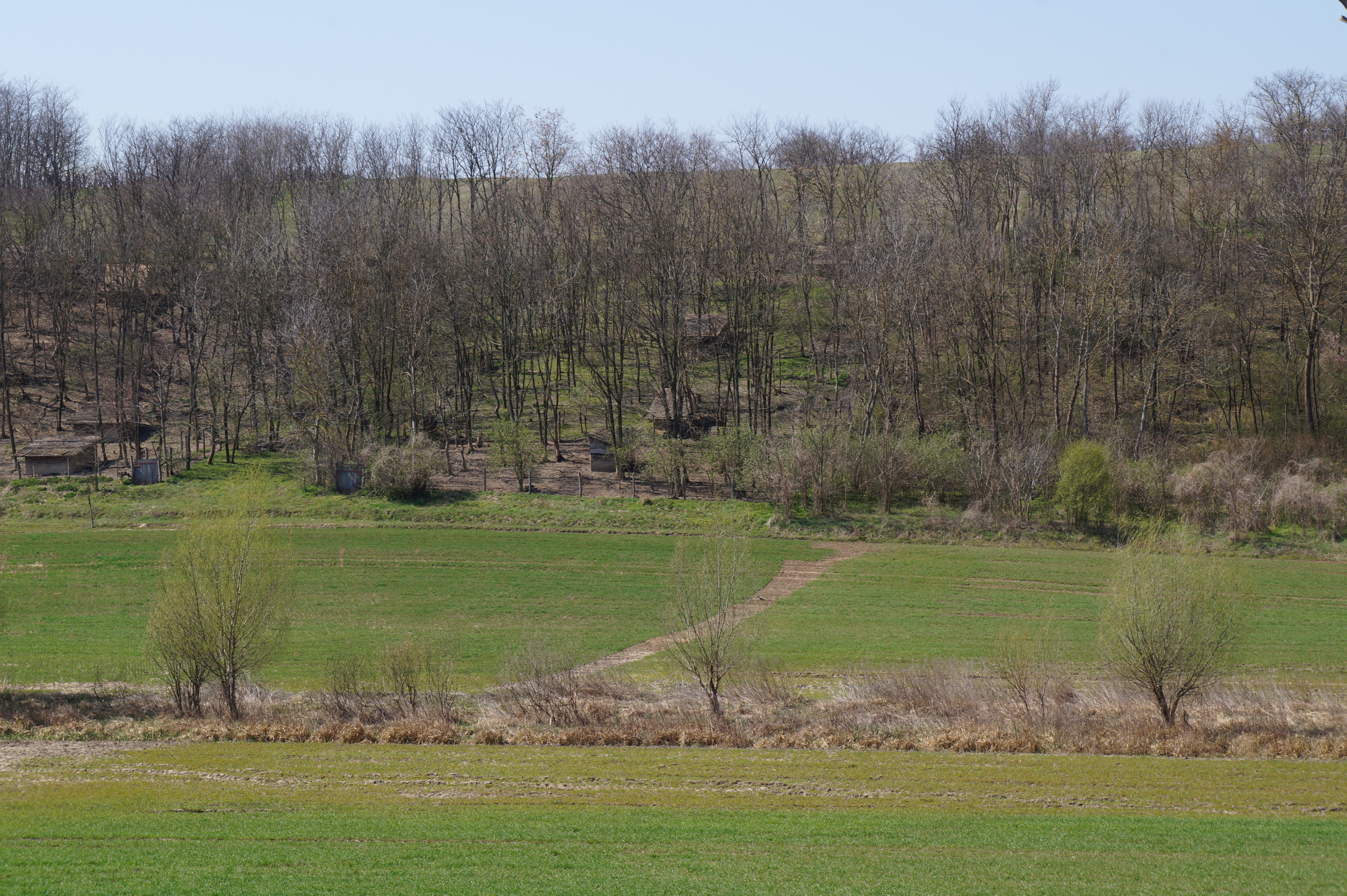
Across the valley the little wooden huts that house boar.
Horses peacefully grazing
Continuing to follow the trail
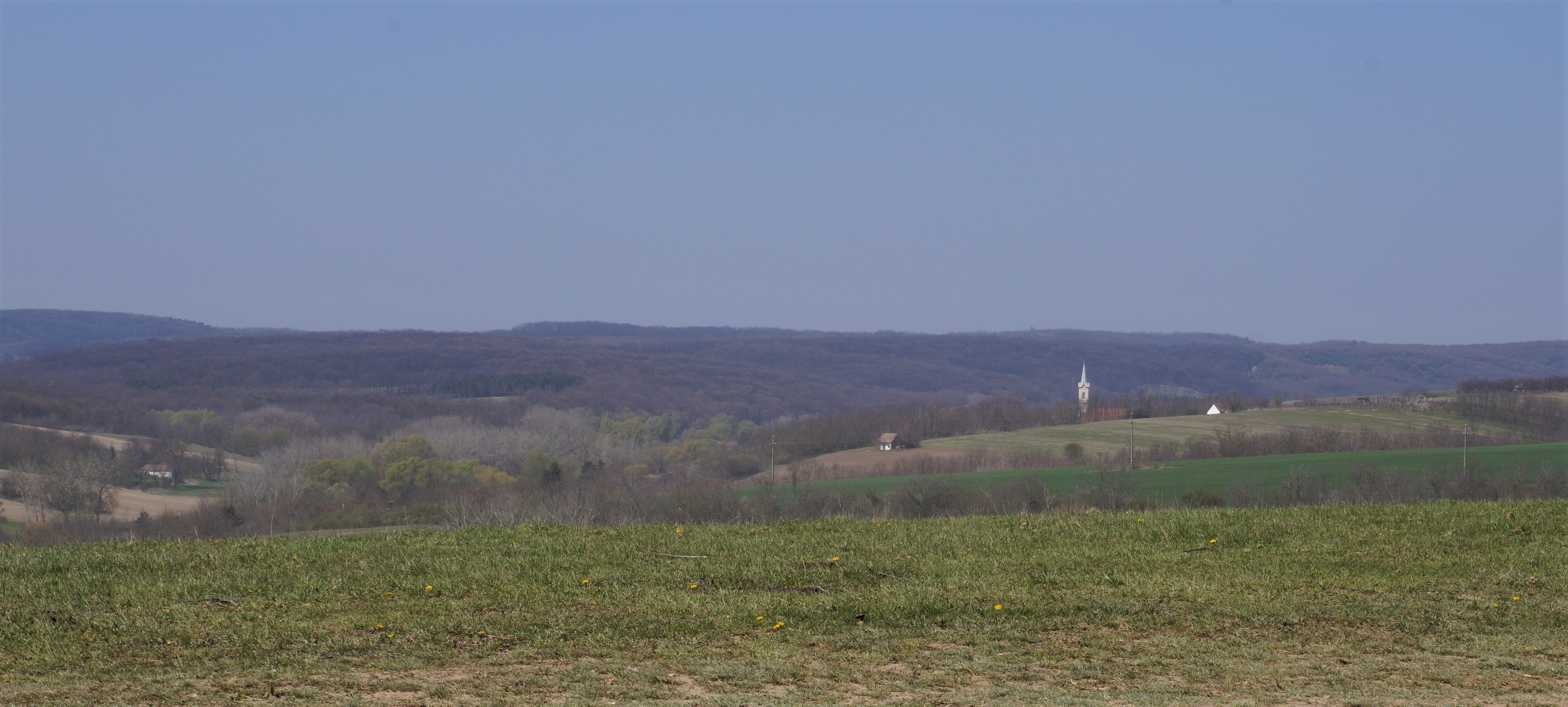
Our village church in the distance
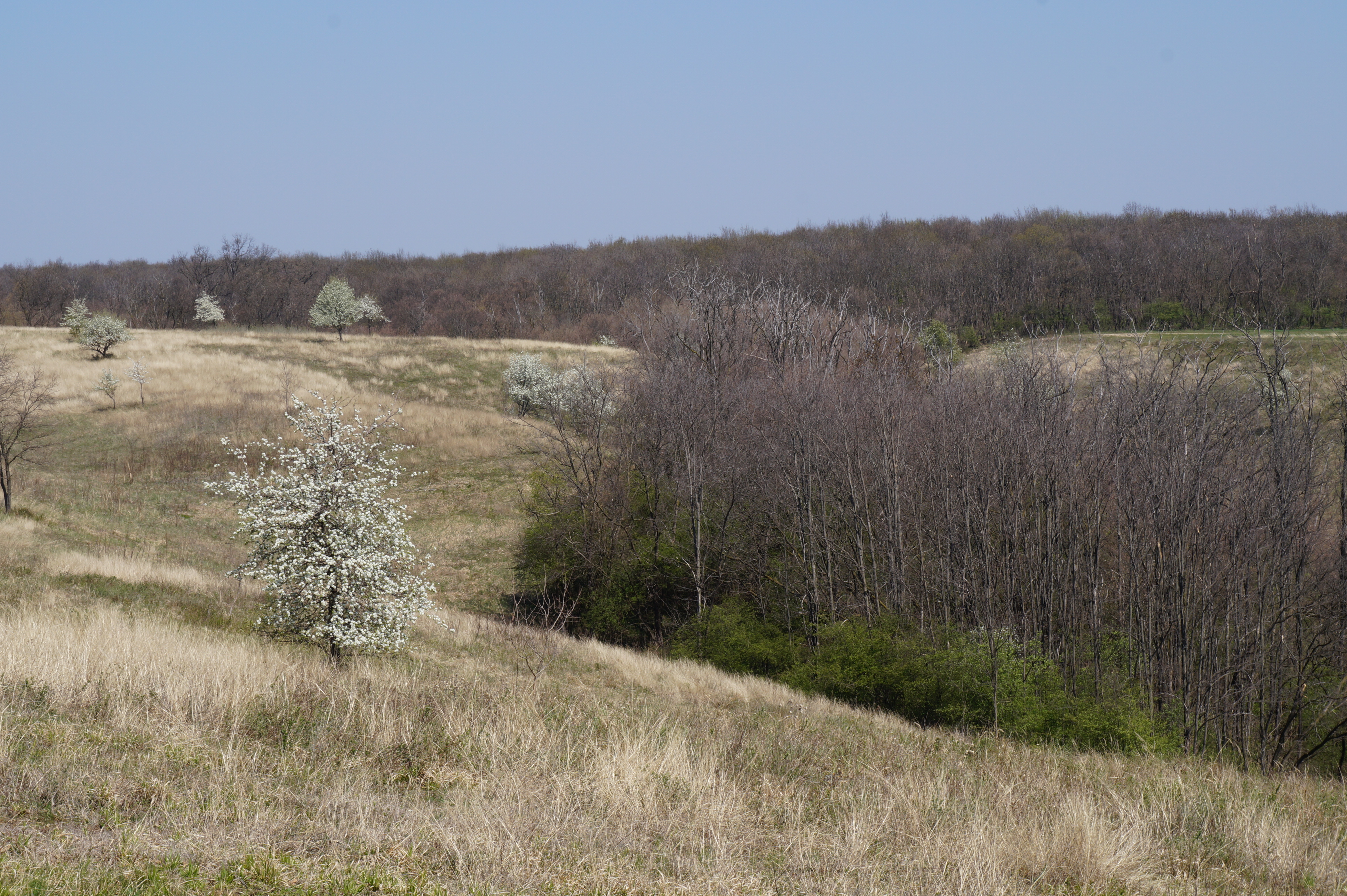
Blossom on the hill
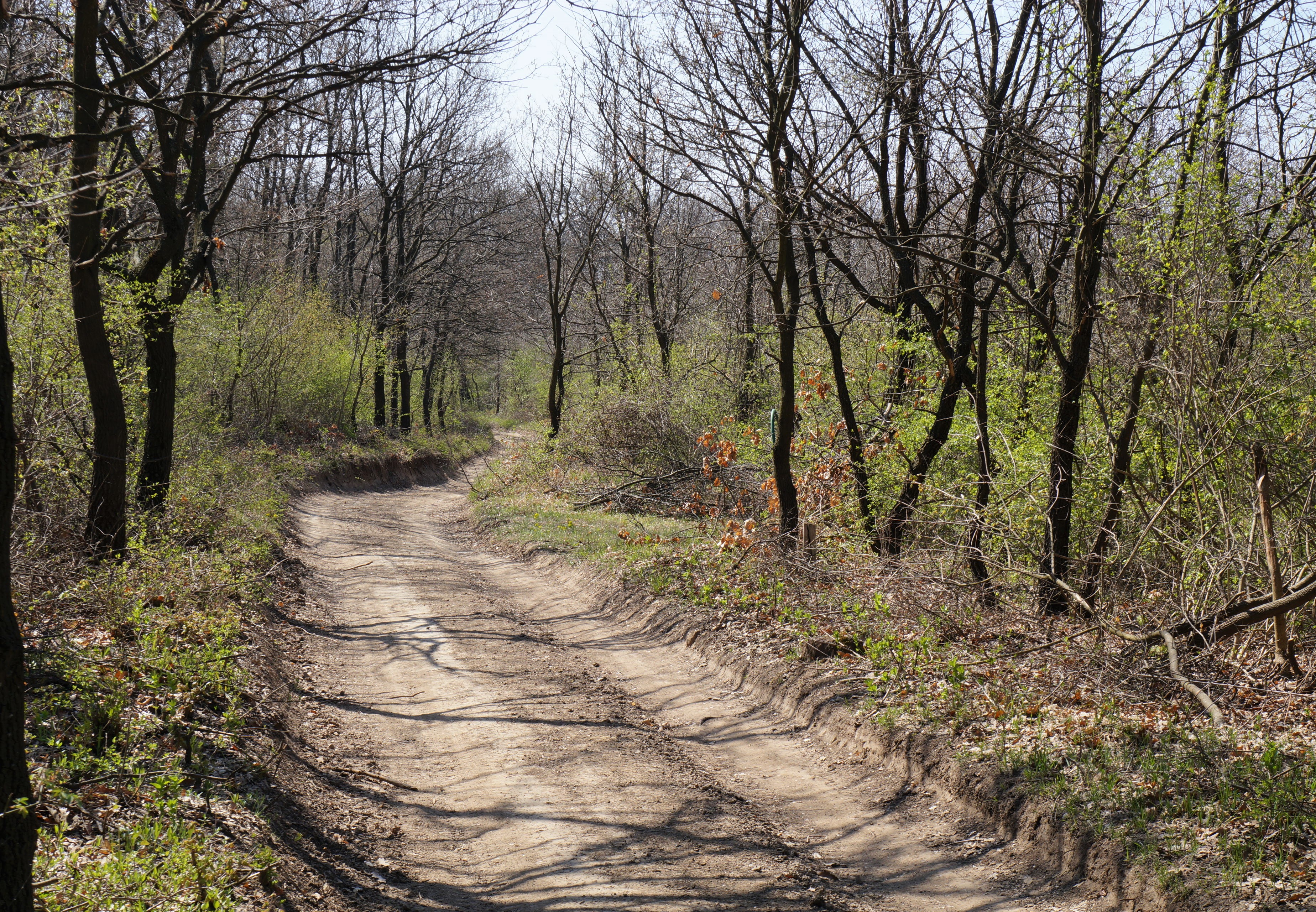
Into the forest
Forest flowers
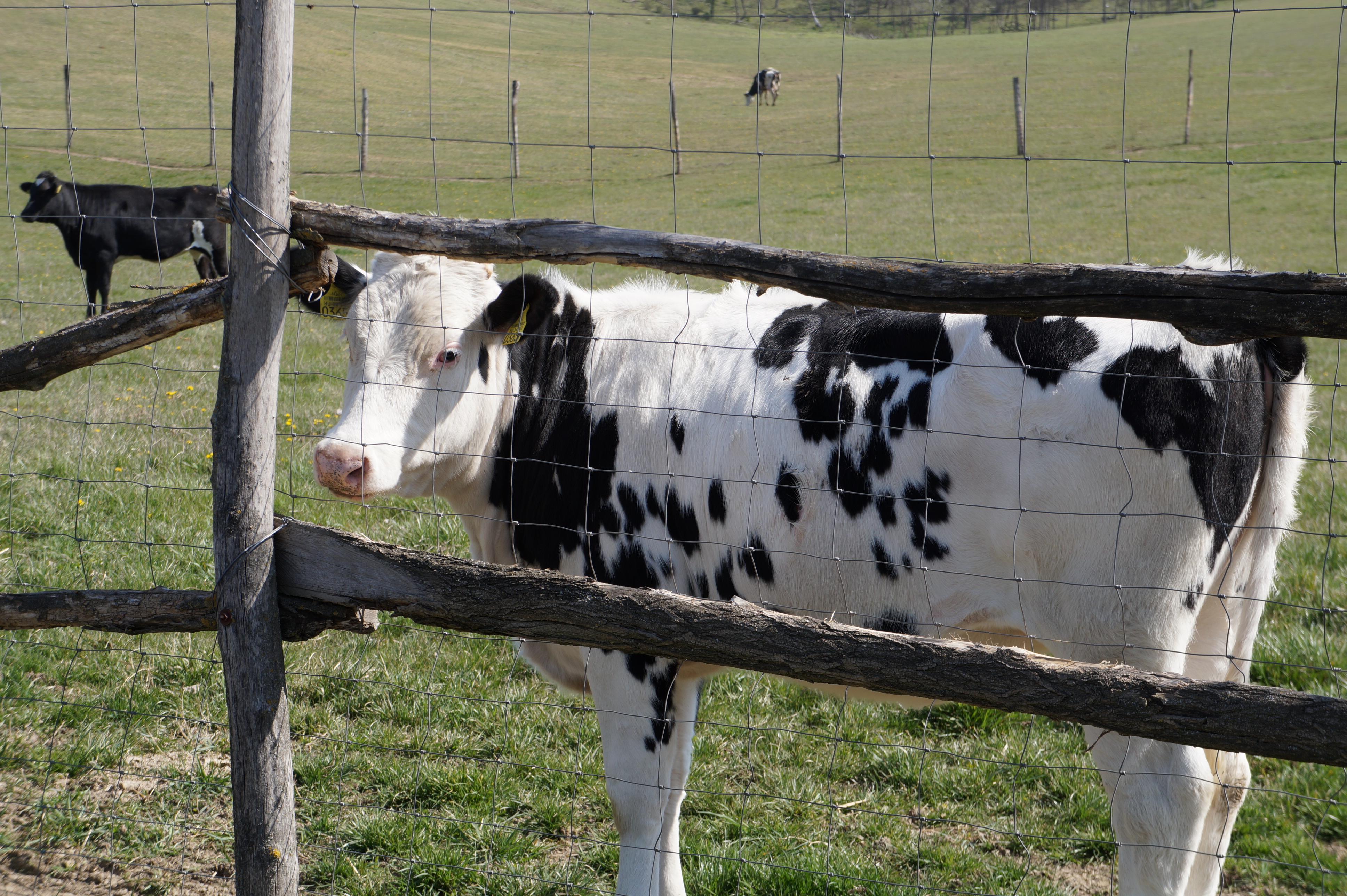
At the farm, these cows give us our milk
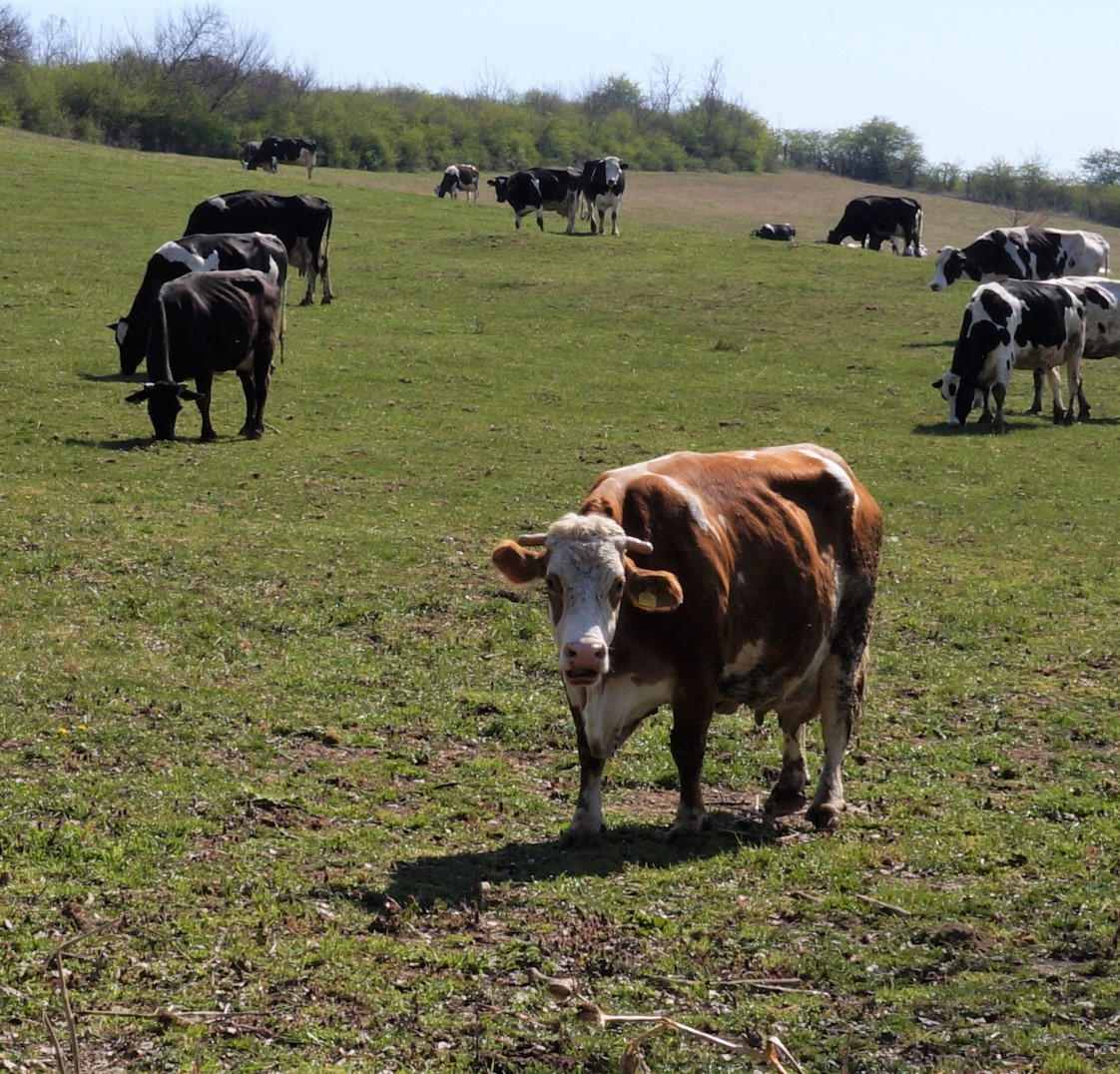
“I’m looking at you”
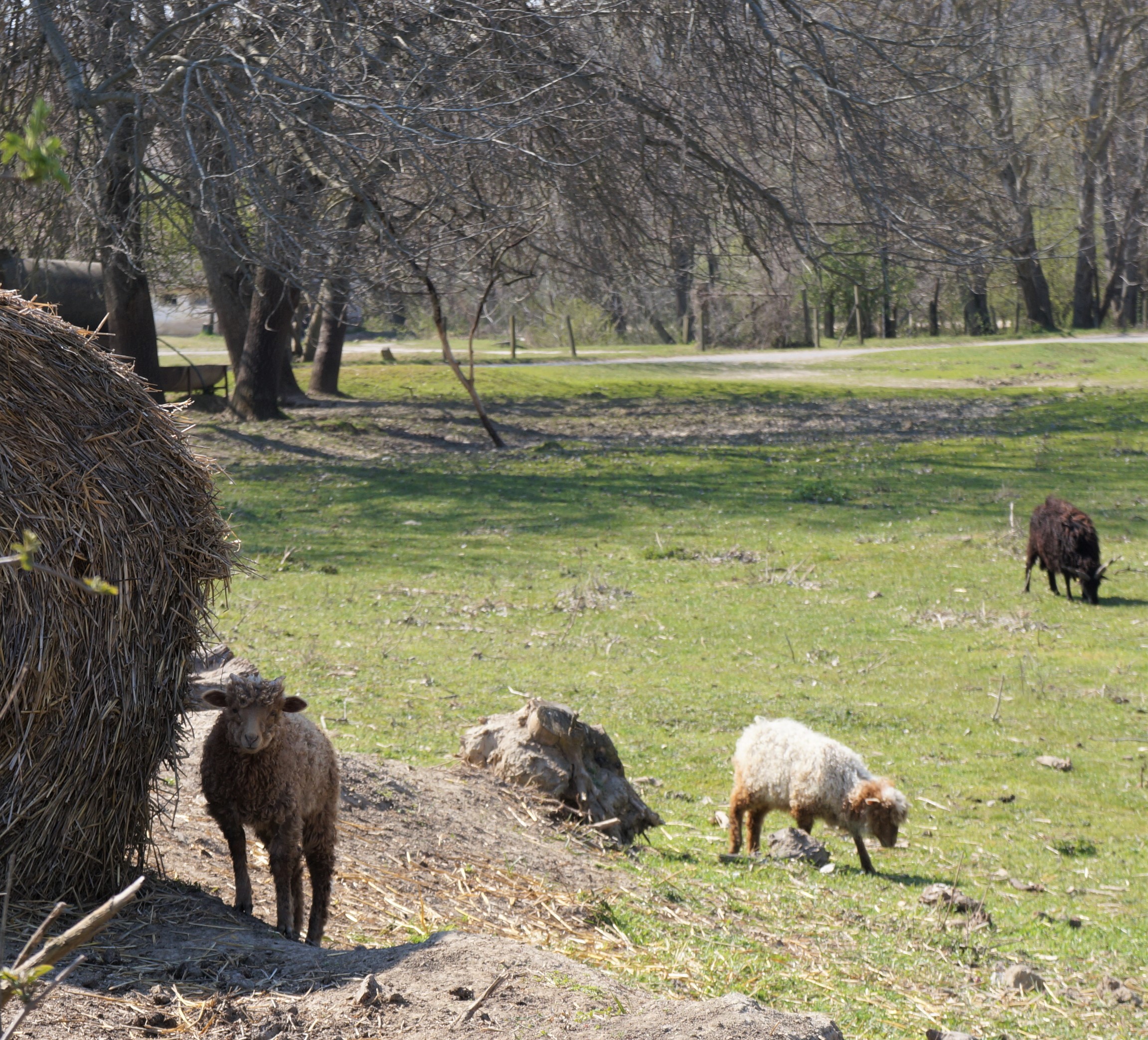
Lambs enjoying the spring sunshine
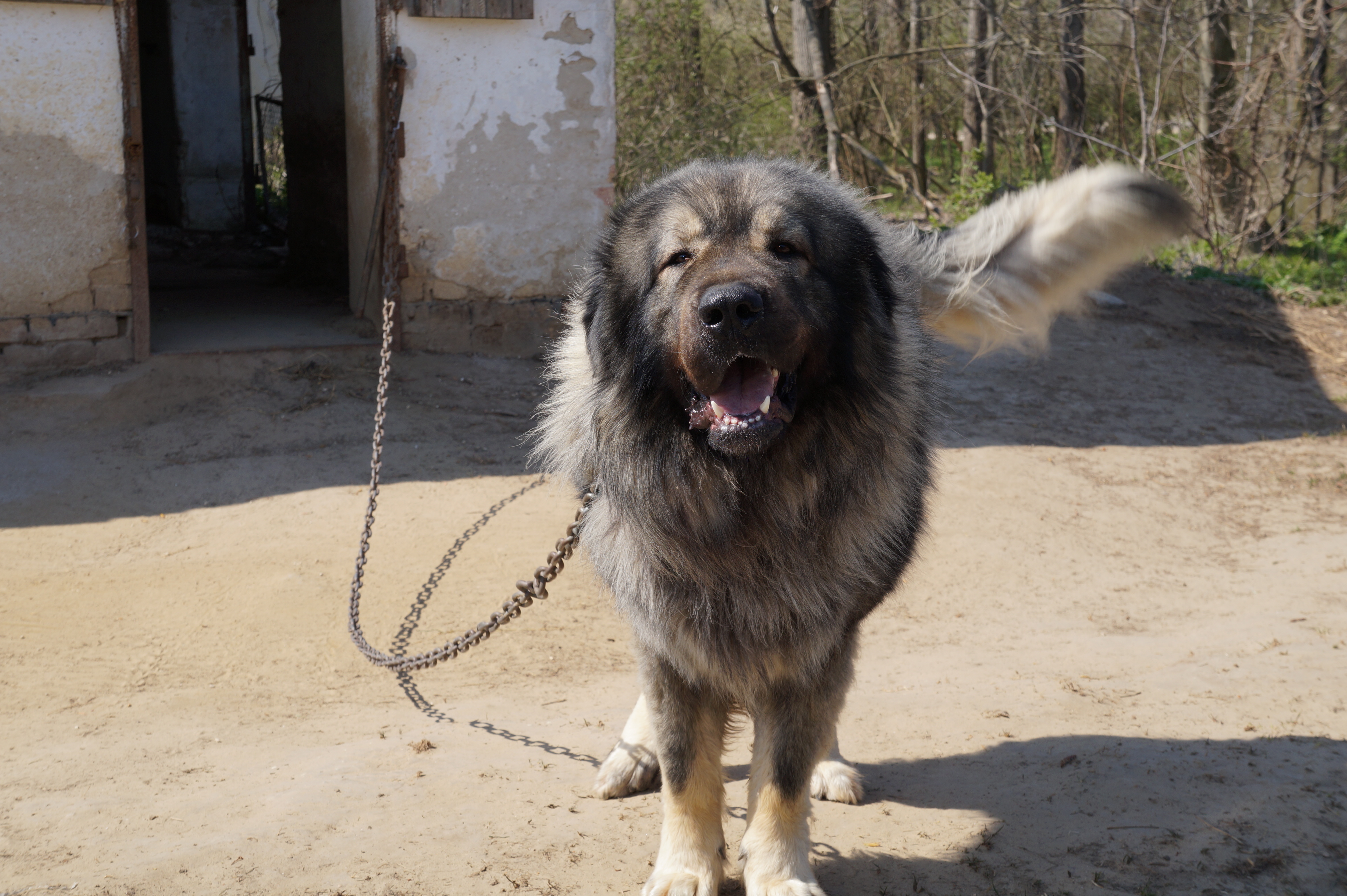
At the dog breeding farm
Colourful yellow house
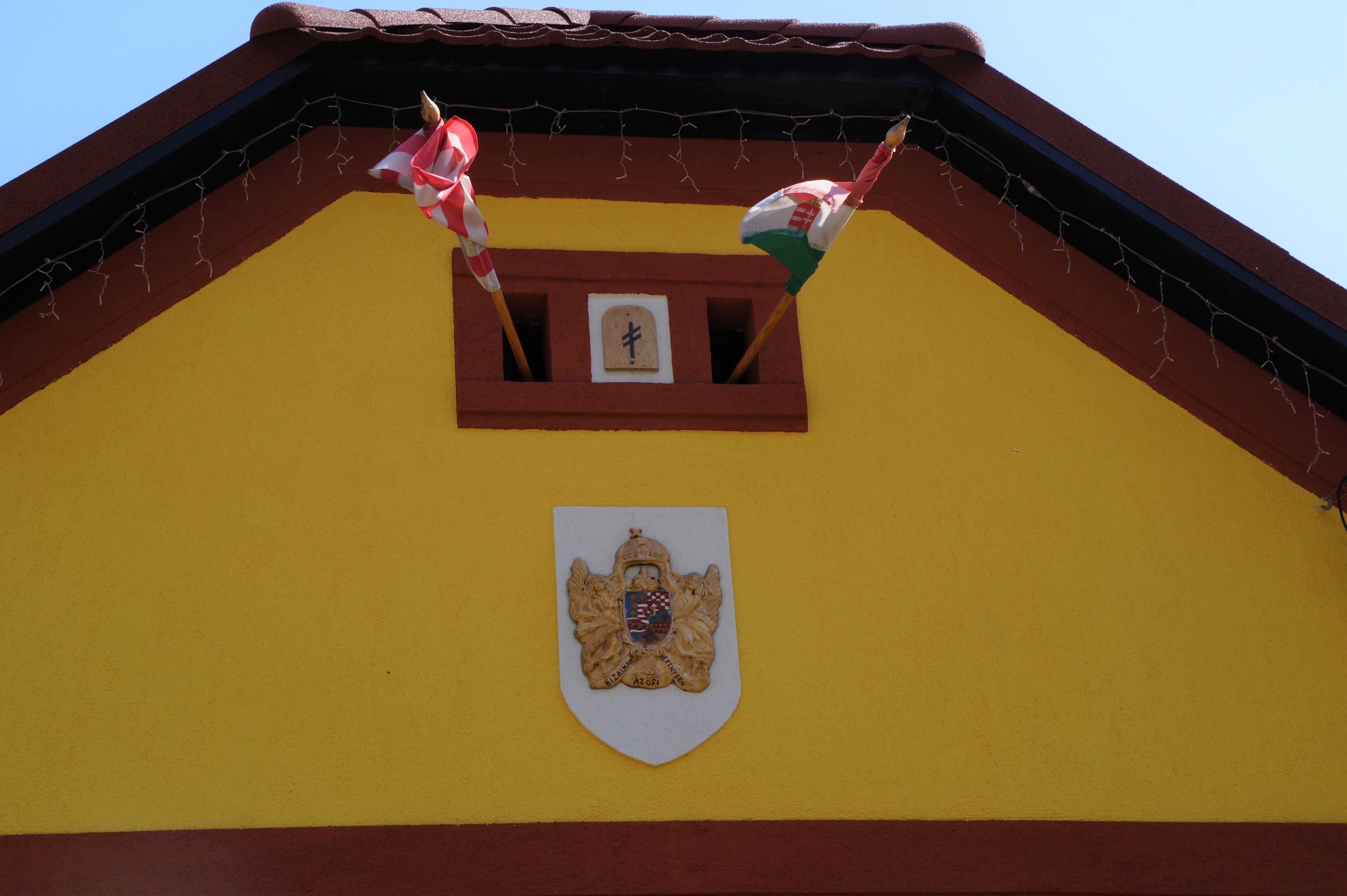
Flags and crest
Another cheerful house
Little houses dot the countryside
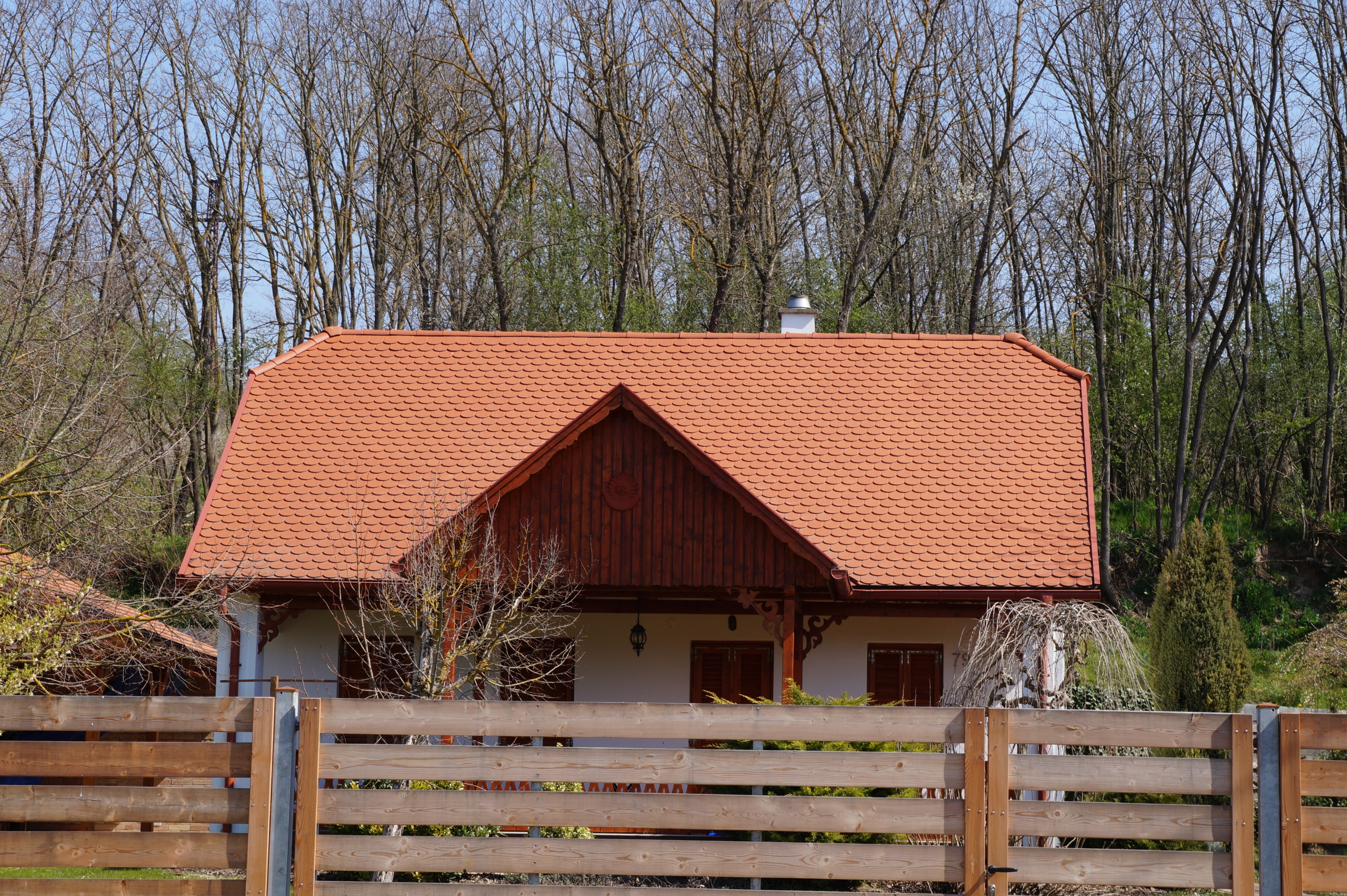
Tiny newly built house
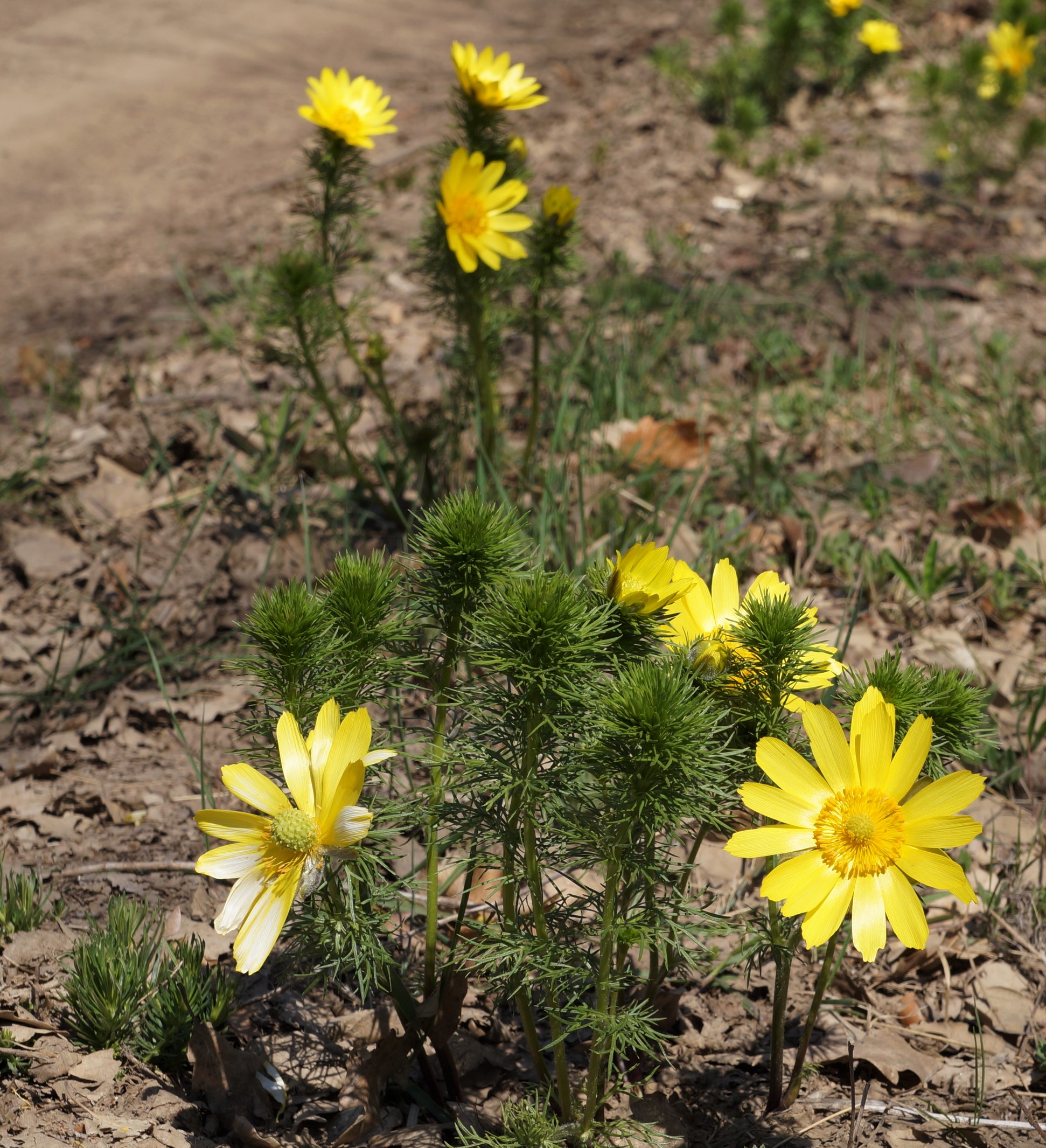
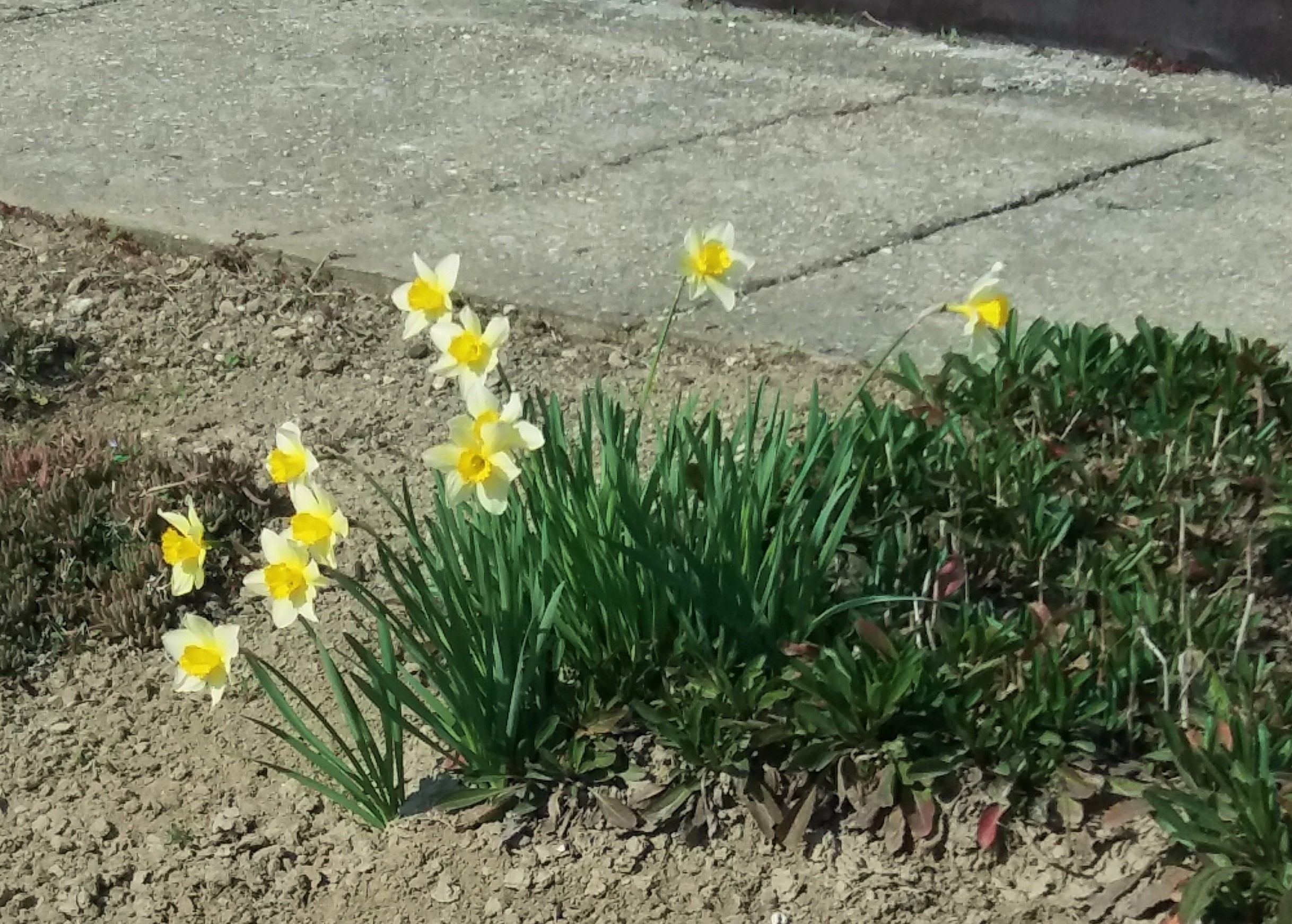
Spring daffodils
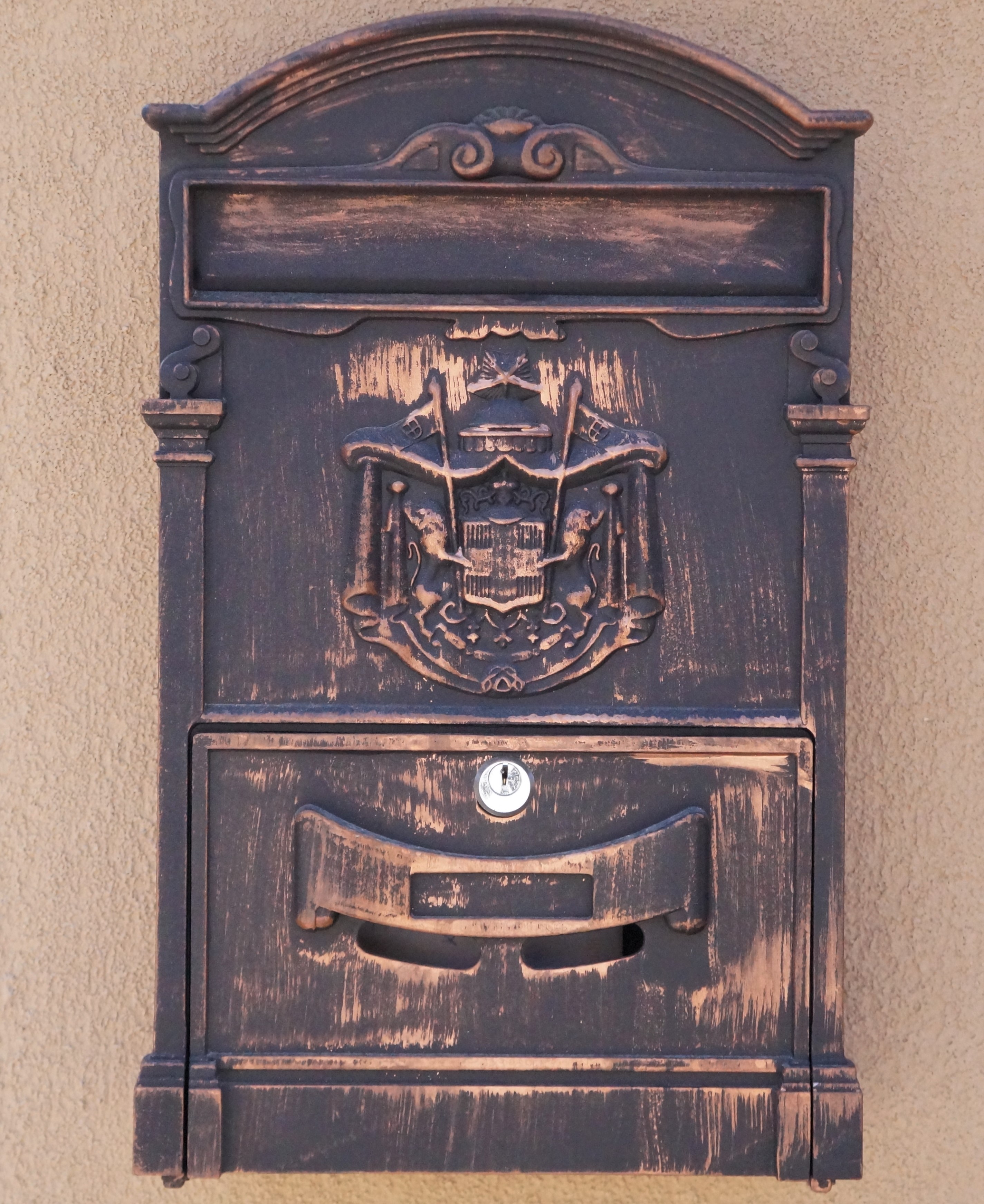
Letterbox

Our little village of Kisszékely has a lot to offer the walker and photographer. Every month mother nature changes and adapts to the weather offering wonderful displays of changing colours, a truly beautiful sight. I hope you have enjoyed a little insight into this small corner of rural Hungary.

Categories
Everyday Life in Hungary

Did you know Hungary is the Home of Thermal Spas?

Hungary maybe a landlocked country but it has plenty of thermal water springs to indulge yourself in.

More than 1,300 natural springs cover the country with the opportunity to experience them all year round.

The natural springs are rich in dissolved minerals known for their incredible healing powers and it’s also a wonderful way to spend a luxurious few hours. Some are sulfurous-smelling, some are salty, and some have other special properties, it varies depending on where you are in the country.

Spa culture has been a part of the Hungarian lifestyle for hundreds of years, introduced by the Romans, it is considered as part of their balanced everyday life. Outdoor spas, when the weather is icy cold but the water is steaming hot are an unforgettable experience.

Budapest

Budapest the capital, is home to 123 thermal spas, arguably the most beautiful is Gellért Fürdő, built in 1918 with stunning architectural features, frescoed ceilings, colourful tiled mosaics, beautifully carved stone columns and striking statues. Outdoors there is a magnificent wave pool very much loved by the Hungarians and visiting tourists.

Hévíz Lake 

Hévíz Lake, near the western end of Lake Balaton has become known over the centuries for the curative properties of its naturally warm spring waters. They are full of minerals such as calcium and magnesium and are slightly radioactive making them ideal for the treatment of rheumatism and other ailments. It is the largest thermal lake in the world which is available to bathe in. The flow of water is very strong and the water in the lake is completely replenished every 72 hours.

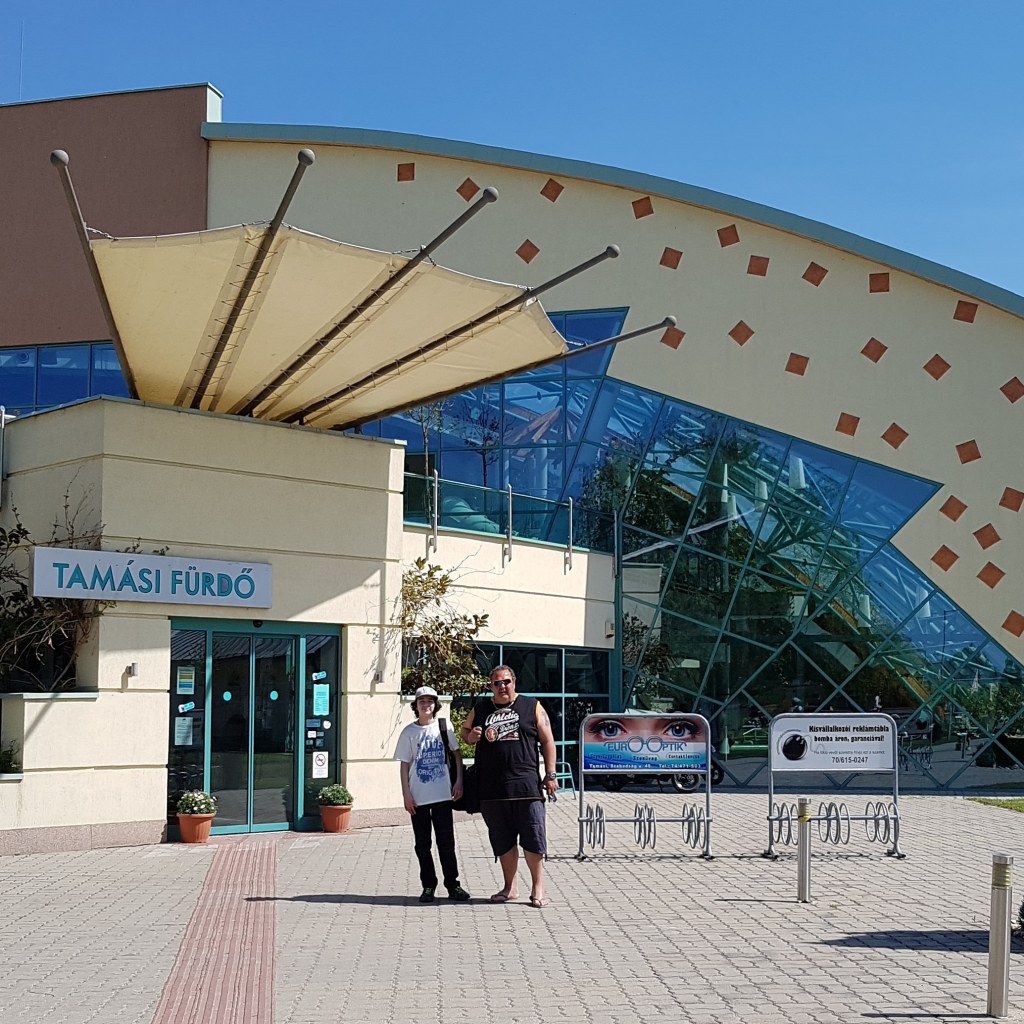
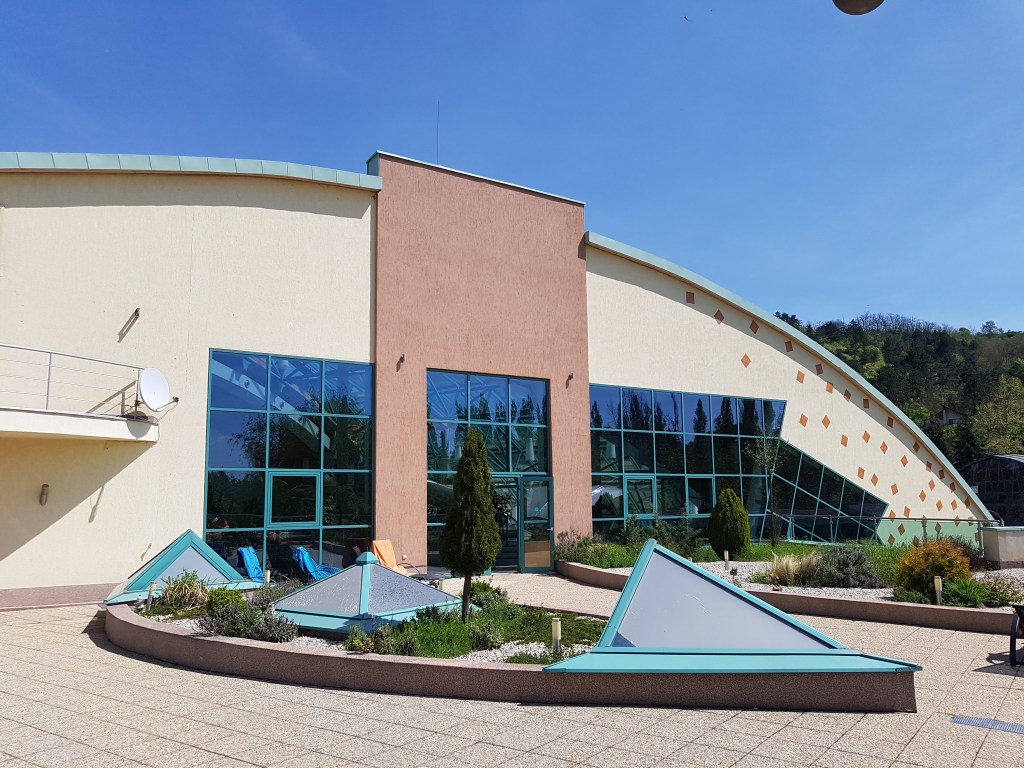
Rural Spa – Tamási

The main tourist attraction of Tamási is the beautiful thermal spa and open air bath. It is located 30 kilometres east of Lake Balaton and is our local spa which we visit regularly. The excellent natural environment, and the water quality have made Tamási known internationally as an effective curing spa. The thermal water is 52 Celsius warm and very healthy. The special health-improving quality of the water is due to its high sodium, calcium and potassium concentration.

Hungary’s spas and their treatments will leave you refreshed, relaxed, re-energised, and looking as good as you feel. They are well worth a visit.

This was my first visit to one of Hungary’s famous thermal spas, the review appeared on Trip Advisor, this is what I said:

Our first experience of a Thermal Spa in Hungary and it was truly lovely. The spa was easy to find on the outskirts of Tamási and offered free car parking. Inside the whole building was clean light and airy with plants everywhere. Numerous different pools with varying water temperatures added lots of fun. The spiral tube slide, the children’s pool, the jacuzzi were all immaculately clean with lifeguards watching each area. For an additional cost, you could take advantage of the sauna or have a massage. Upstairs was the thermal water pool and access to outside to sunbathe if required. A small but well-stocked cafe was also on this floor. The lockers provided were easy to use with showers, toilets and hairdryers if required. We chose a time that was not busy and spent around 3 hours there. We paid 5,800 HUF about £16 English pounds for 3 of us. Well worth it and recommended for winter or summer fun. Date of experience: April 2018

I would love to hear your personal experiences of Hungarian spas and how they have helped you with any health issues.

Categories
Our Move Abroad

5 Stages of Expat life and how to make them successful

“Shall we move abroad?” my husband said one day. I was a little shocked and just thought his idea would go away. “I have been watching a TV programme ‘Life in the Wild’ about people who move to remote places and how they get on, do you fancy it?” To be honest, no I didn’t! I was used to living in a city surrounded by mod cons and everything I needed was a walk away. He persisted for many months with his ideas of the self sufficiency lifestyle, land for animal farming, home grown vegetables and the experiences of living in a small village. The location he had chosen was Hungary.

Gradually I started to like the idea, perhaps it would be good to experience something new, after all we had been living in England for the past 15 years and we weren’t getting any younger. Eventually, after much debate about the practicalities and financial implications, I said YES!

“We are going to become Expats in Hungary,” I told my friends and family. I got very similar reactions from everyone usually “Oh you are so brave” or “I wish I could do that” and “Why Hungary?” sort of comments.

We have now been here for 2 1/2 years, experienced lots of highs and lows along the way but can finally look back and say we made the right decision.

It has become apparent to me that there are 5 definite stages you go through before you become a true Expat, each one covering a wide variety of different emotions that most people experience when they take the plunge and embark on a new life abroad.

1. The Great Idea

A mountain of research was the first task, our enthusiasm was limitless. For hours, I scoured thousands of internet pages looking for suitable properties for sale in rural Hungary. I poured over Google Maps to find remote locations and talked endlessly about promising places I had found. We were so excited now we had made the decision to move. Every night I would go to bed with butterflies in my tummy imagining our great family life in our new country and everything it had to offer. My bookshelf increased in size with various travel guides to Hungary, I read them cover to cover with great excitement. I made numerous lists of things that needed to be done. I often asked myself can we REALLY do this? I figured that if we did not do it now we never would. My doubts came and went and I set about making loads of arrangements for our future.

Tip 1 – Be Organised

2. Moving Day

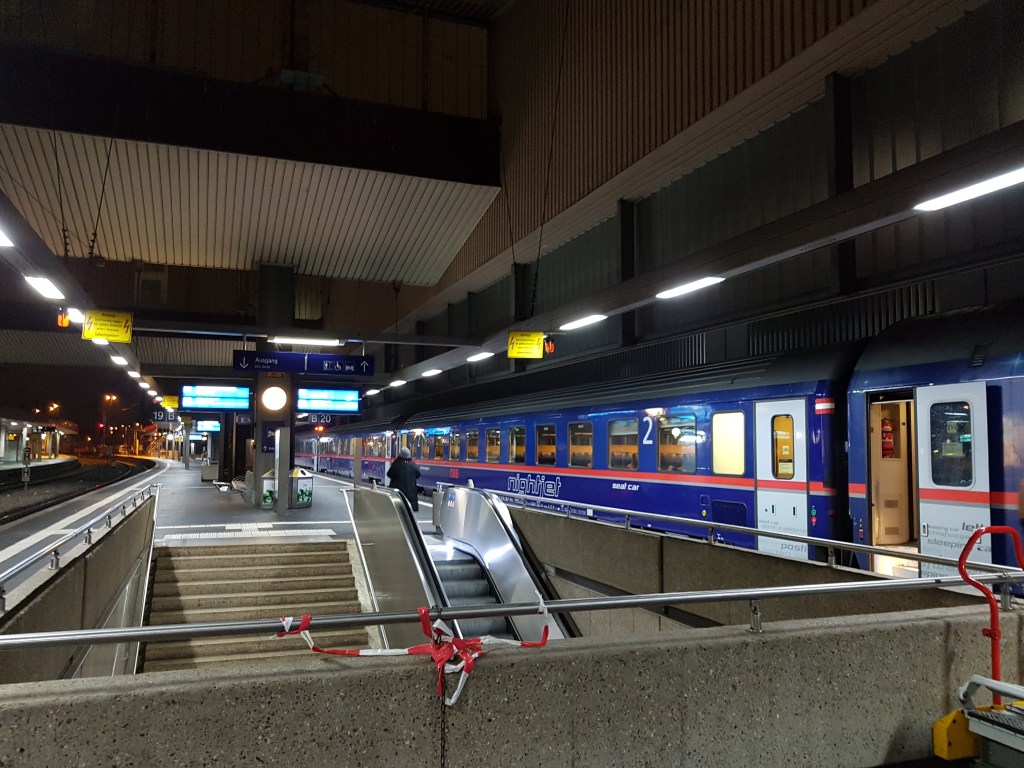
We had said our goodbyes, this turned out to be a very emotional departure, I shed a few tears. I took some photos and loaded up our belongings into our car. I had a certain sadness inside me, leaving the familiarity of the country I had known all my life. It was different for my husband as he had lived in other countries before, I am sure he did not feel my sadness. Once we were off, I experienced a mix of nervousness and excitement throughout our long journey to Hungary. I felt emotionally and mentally drained worrying continually that my meticulously planned journey would go smoothly. We had an overnight ferry crossing, a drive to connect with the Motorail which would take us overnight across Europe and into Austria then finally drive across the border into Hungary and our new home.

Tip 2 – Be Positive

3. Reality Check

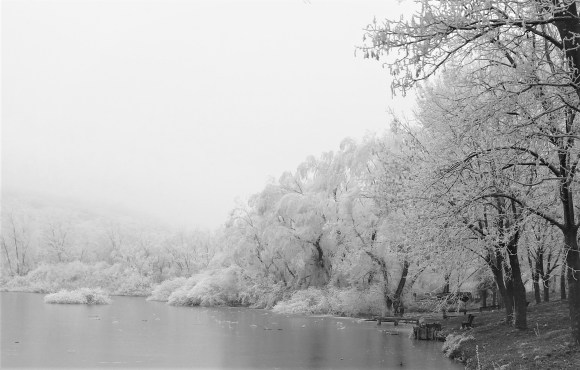
The cold icy village lake, Hungary

We had made it, the start of our new life, it was like starting a new job, all familiarity had been left behind in England. We were all overwhelmed by the newness of everything. Very quickly we had to establish new routines and schedules different from what we had been used to. Our relationship took some testing during this period and the feeling of isolation began to set in. The language barrier was our biggest problem and we struggled to do the most menial tasks. All our belongings were in boxes and it took an eternity to find anything. Tempers were severely frayed and our once amicable family unit became an eternal battleground. At that point, I seriously felt this life was not for us. We had arrived in winter and it was extremely cold, I felt miserable and was missing England.

Tip 3 – Keep Calm

4. Slowly Does It

I reasoned we had to give this move a chance, I was unrealistic in my dreams, I had wanted this to be a great time in our lives, the opportunity to reinvent ourselves but also to live the same comfortable lifestyle we had been accustomed to in England. We both had dreams of a life full of rewarding adventures. My thoughts at that time were very jumbled, I just seemed to experience a complaining mindset all the time. To make this work we HAD to pull together and tackle each obstacle one at a time. It took a hell of a lot of time and patience to do this, even the simple task of supermarket shopping was daunting, everything was written in Hungarian, we bought several things in error in the beginning but we learnt from our mistakes. Slowly slowly we learnt as we went along, discovering we could ask for help in our village if needed. We were lucky, usually in rural Hungary no one speaks English but we discovered a wonderful Hungarian lady who had lived in England and was fluent in English. She helped us enormously. As our frustrations got less and our language skills got better we began to enjoy this new way of life. We travelled around the area noting important places we might need, the post office, the bank, supermarkets, takeaways! We made friends, we had dinner parties. We had turned a corner and for the better.

Tip 4 – Be Social

5. Our House is Home

I look back on the turbulent beginnings and now am glad we took a leap of faith to where we are today. We both know the village and the surrounding areas very well, we know the villagers and they know us. We might still be “The English Family” but that’s alright, they have welcomed us into their village and are only too happy to smile and wave or offer a helping hand. Our language skills have improved and my husband can have a lengthy conversation in Hungarian, not bad considering it is one of the hardest languages in the world. I continue to take hundreds of photographs, write in my journal, add to my blog and read lots of books. We have tried lots of Hungarian foods and have BBQ’s with meats from the village farm. Friends from England visit and we have a lot of fun, especially in the summer months. The weather is scorching hot (I love it) so we mostly live outside and winters are very cold, good for staying indoors and family bonding. The funny quirks of our house, we are now used to and I can honestly say it feels like home at last.

Tip 5 – Enjoy Life

We are very happy living in Hungary, our new adopted home, we have accomplished our goal and have become contented Expats. This was the bravest thing we have ever done in our lives together and am so glad we didn’t give up along the way. We do have future plans, lots still to do renovating our home and will get it all done in our own good time.

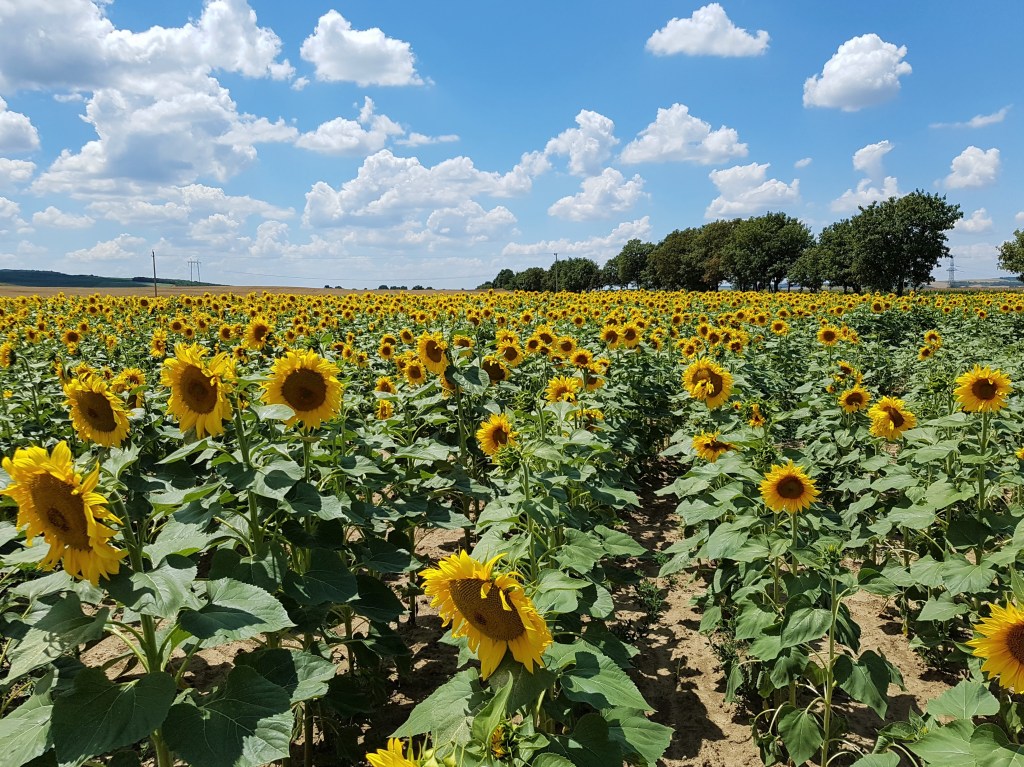
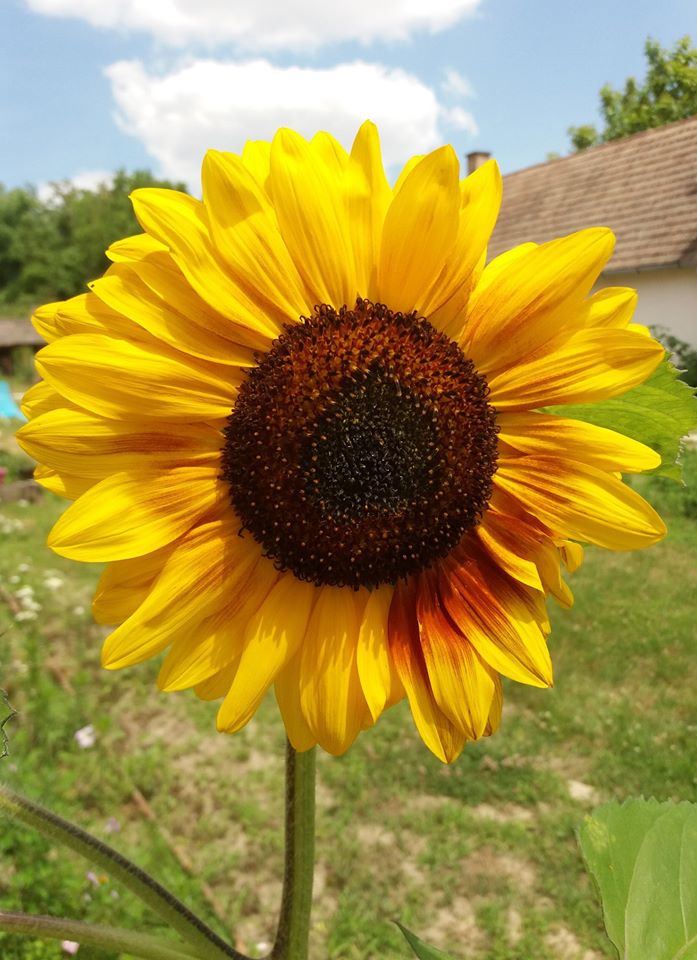
Sunflowers and Sunshine, Hungary
Categories
Family Focus

Siberian Huskies – What you need to know before buying/adopting one

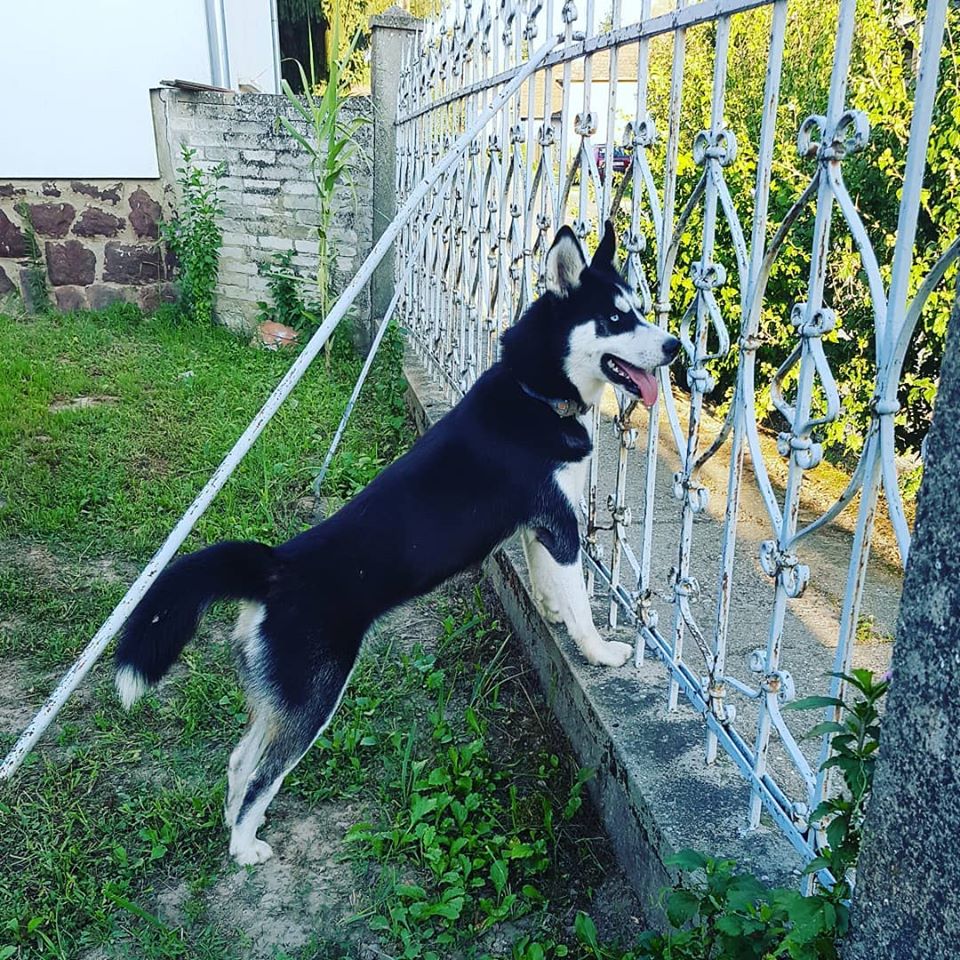
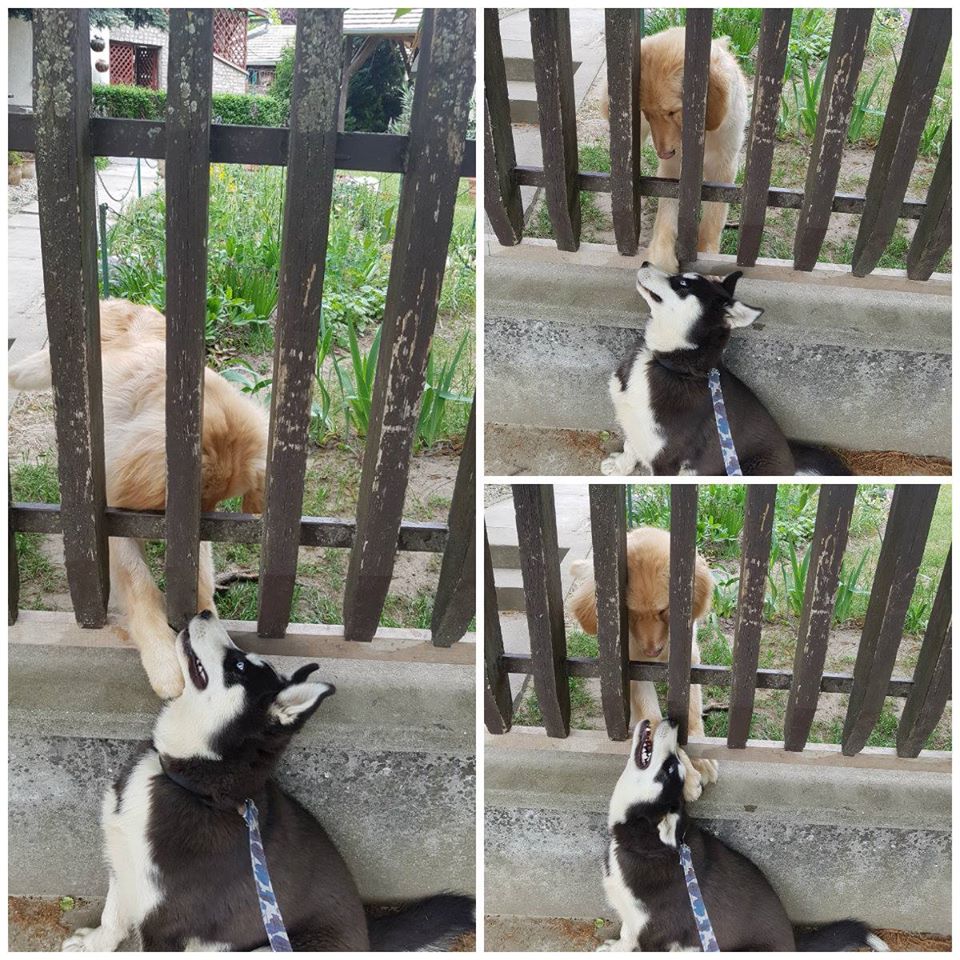
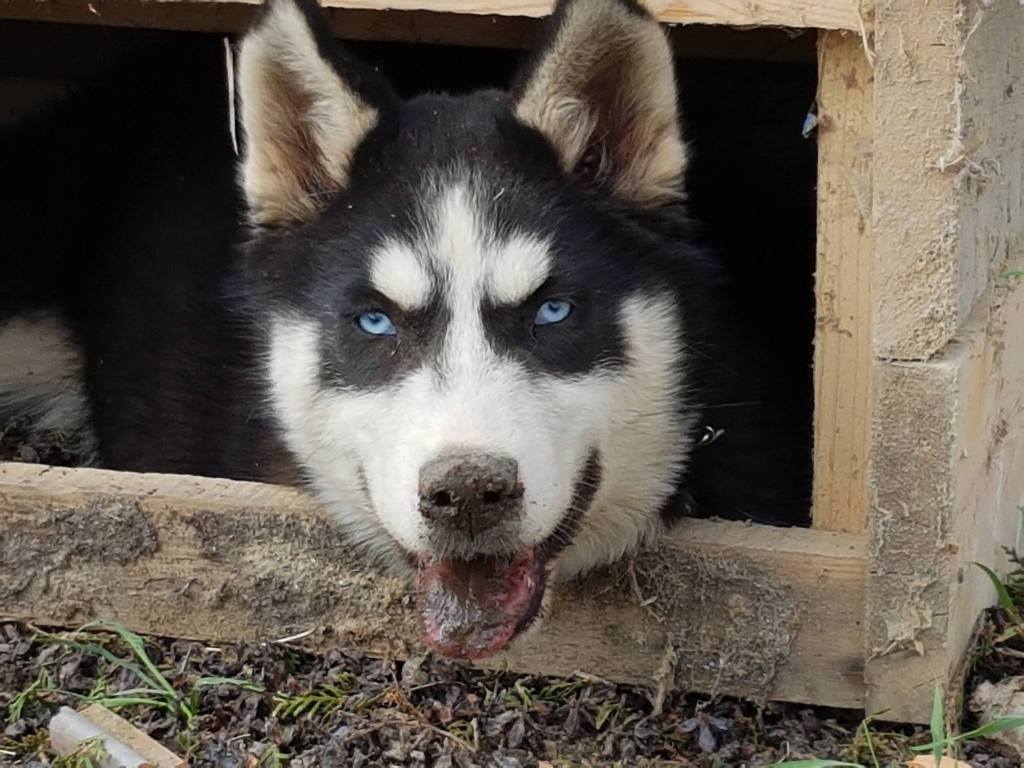
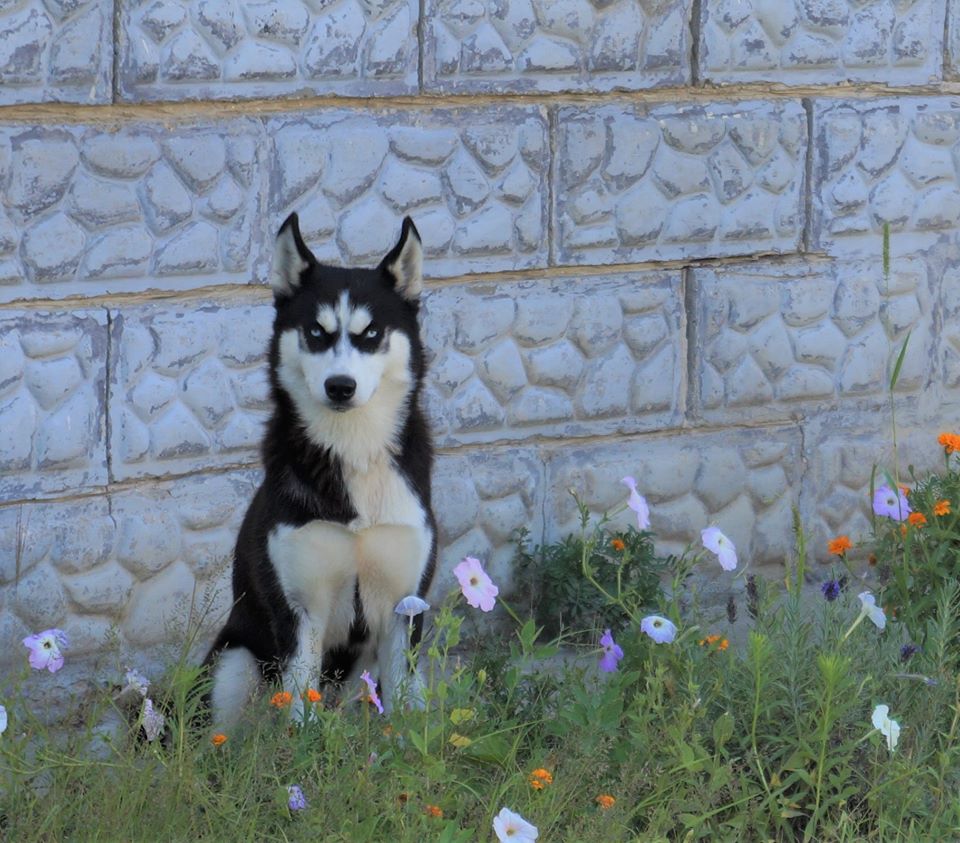
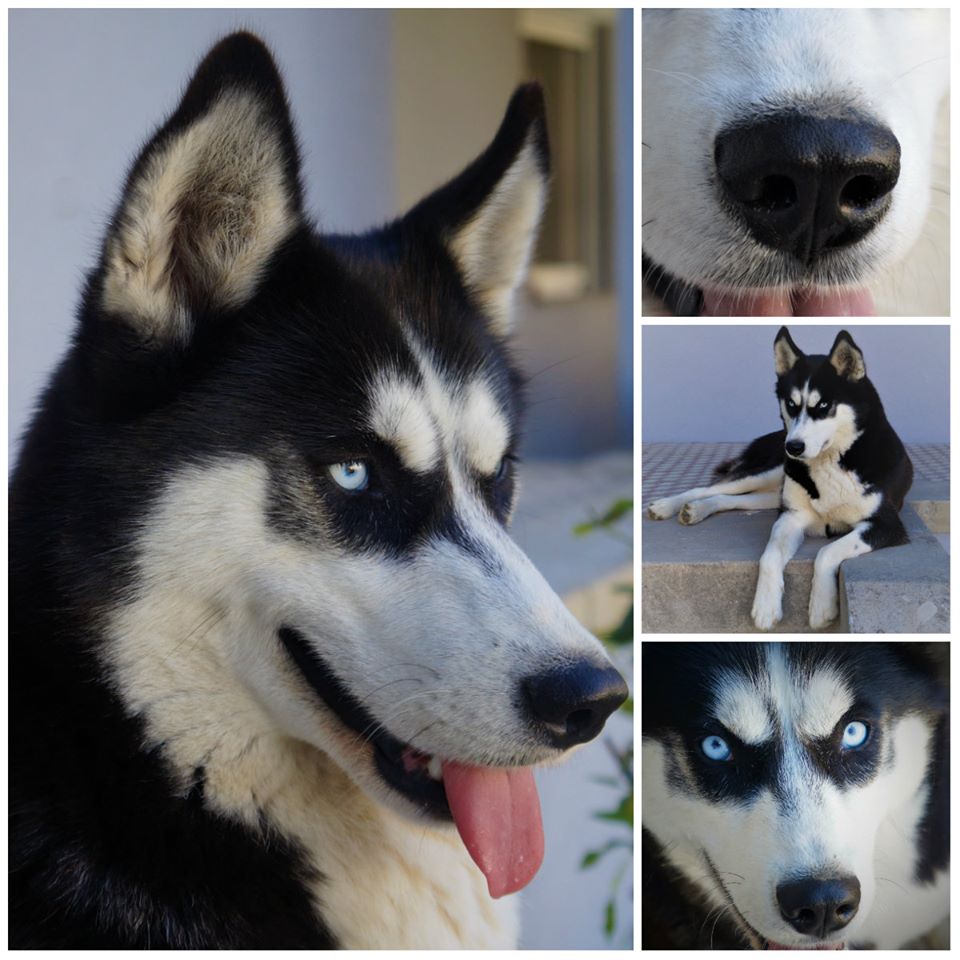
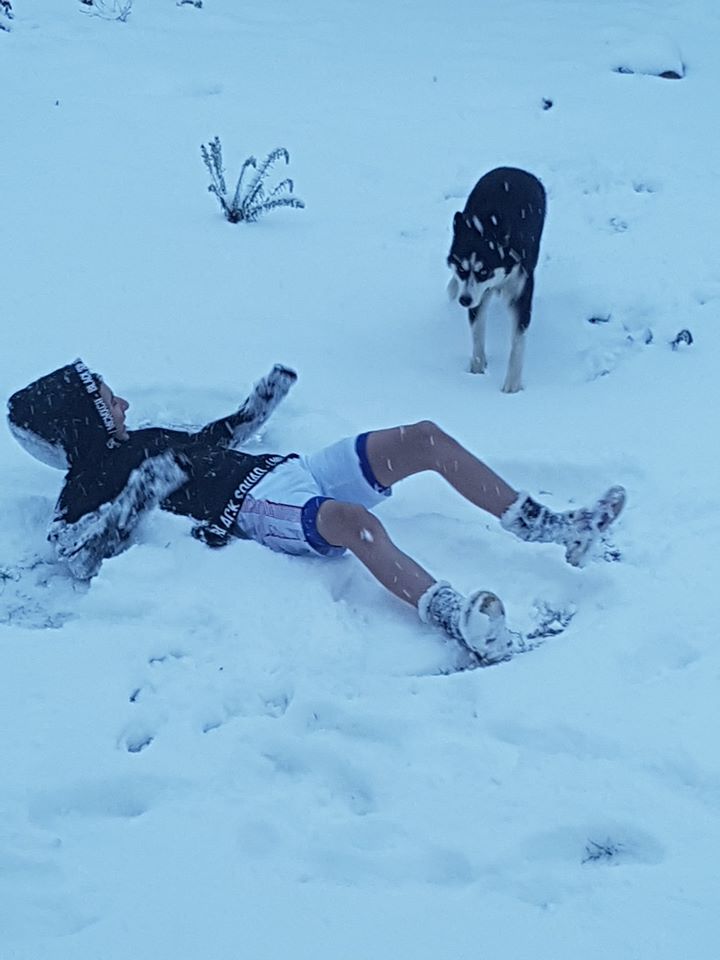
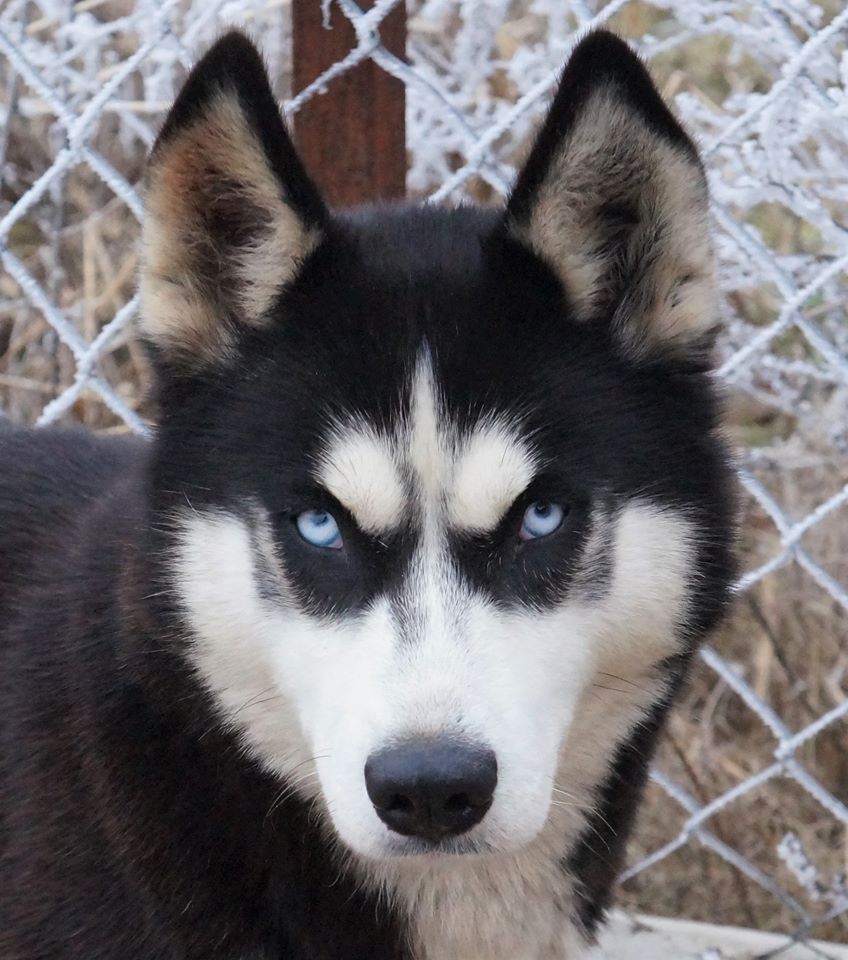
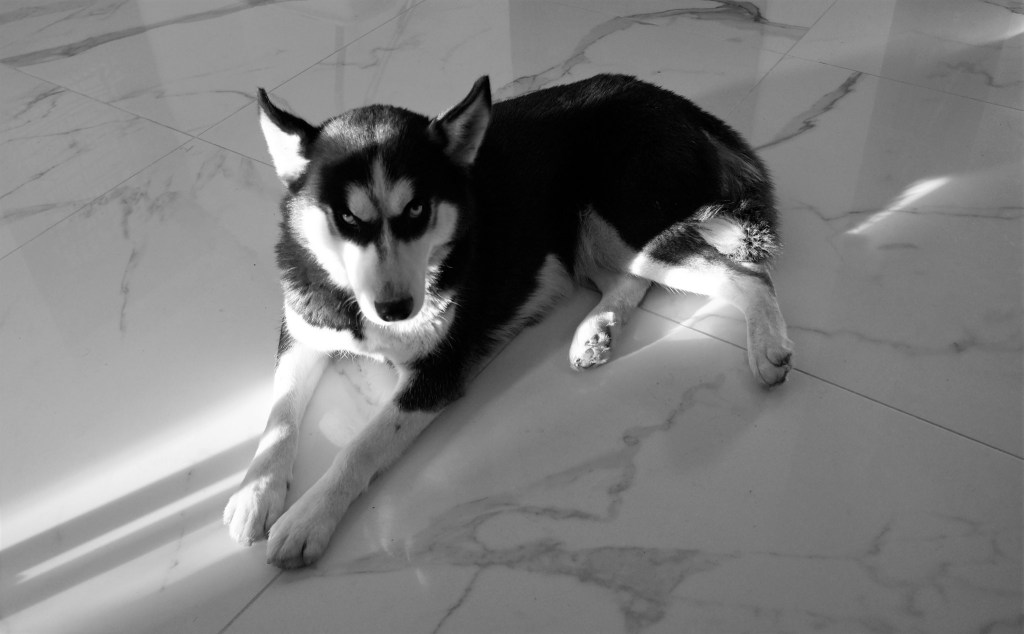
Our son named our Siberian Husky Haley, after Eminem’s (American rapper) daughter. Haley’s Hungarian name was Helium but we changed it at our son’s request. We have owned her for 2 years and have had an incredibly steep learning curve finding out how to give her (and us) the best life possible. It was not all plain sailing and at one point had serious doubts that we had done the right thing. Now through much trial and error life has become incredibly harmonious between us and our mischievous Haley.

This is MY chair!

I have put together a list of things that should be taken into consideration when homing a husky. I hope it helps anyone trying to decide if a husky is the perfect dog to introduce into your home.

I have added some photos at the end of this list of Haley our mischievous Siberian Husky.

10 things to consider before getting a Husky

  1. Huskies are pack animals. Huskies are pack animals, they like companionship but that does not mean to say you need to buy more than one dog. Your husky will consider you and your family as their pack. They love lots of interaction and will follow you around everywhere. Huskies are not ideal for people who work all day and need to leave the home for many hours. They will cry and howl and likely become destructive and destroy your home.
  2. Huskies need LOTS of exercise. We are lucky and have a huge garden for Haley to charge around and burn off her energy. First thing in the morning she can be seen doing circuits of the garden galloping along so hard the ground vibrates. If you not so fortunate with your outdoor space you will need to take your Husky out walking for at least 2 hours a day, they are extremely high energy active dogs due to their hunting nature and exceptional endurance.
  3. Walkies. It is a wise rule to never let your Husky off their lead when you are out walking. Huskies are stubborn and have terrible recall skills however hard you whistle or call. Huskies also have a strong predatory nature and will chase almost anything that moves. We discovered this in our garden when the lizards come out to sunbath or the little field mice venture from their hiding holes Haley goes crazy trying to catch them, they are mostly quicker than her hiding until she gives up the chase.
  4. Husky Companions. Although other dogs can live very well with Huskies, smaller pets or animals like chickens, cats, mice, birds are usually a bad combination. Even if your chickens live outside your dog will never leave them alone and try everything possible to catch them.
  5. Who is the Alpha? Huskies like to know who the boss is, called the ‘Alpha’. In our family dad is the ‘Alpha’ and his alternating voice tones tell Haley when she has doing right or wrong. It’s a good idea to eliminate bad behavior as soon as it appears. When a husky is bored they will get up to mischief if you do not take control immediately. We NEVER strike her as she has learnt through voice commands if she has done wrong.
  6. Chewing. Huskies love to chew and they will chew anything. Experts seem to agree that this is due to boredom. The solution is to either train your husky not to chew or to provide plenty of toys for them to chew on. Haley as a puppy chewed almost every shoe in the house, chairs and cushions and seemed to have a fascination with socks. We invested in some indoor chew toys for her which she now exclusively chews. As she spends most of her time outside it is not much of a problem as she has lots of bones and squeaky toys to play with.
  7. Security measures. Before homing a husky you need to make sure your outside space is totally enclosed and fully secure. Huskies are extremely agile and have strong back legs enabling them to clear 6ft fences. They are also expert diggers so you MUST ensure the bottom of the fences are impassable to your husky. Haly has escaped a few times which meant we had to raise all our fencing to over 6 feet high. It has to be said they are not escaping because they don’t love you it’s just they are inquisitive, adventurous and very independent.
  8. Howling. Huskies are very vocal, but unusually for a dog they do not bark very often. Instead they howl, or wine and make funny noises as if they are talking to you. Mostly it’s their form of communicating with other dogs or just people in general. We have several mobile food vans coming through our village playing various songs, Haley starts her howling when she hears them, quite funny really. We always know when the vans are coming!
  9. Coat shedding. Huskies have incredibly thick coats that they shed twice a year, unlike other dog breeds that shed year-round. This is called “blowing” their undercoat in the spring and can take 3 to 5 weeks. This can prove to be a nuisance as there are dog hairs EVERYWHERE! Brushing your husky outside helps a lot. In the summer, Haley’s topcoat helps keep her cool. Whilst in the cold weather, her thick double coat does a great job keeping her warm. Huskies can adapt to most climates but in hot weather you need to have adequate shade and continual water available. Haley loves chewing ice cubes in the hot summer months!
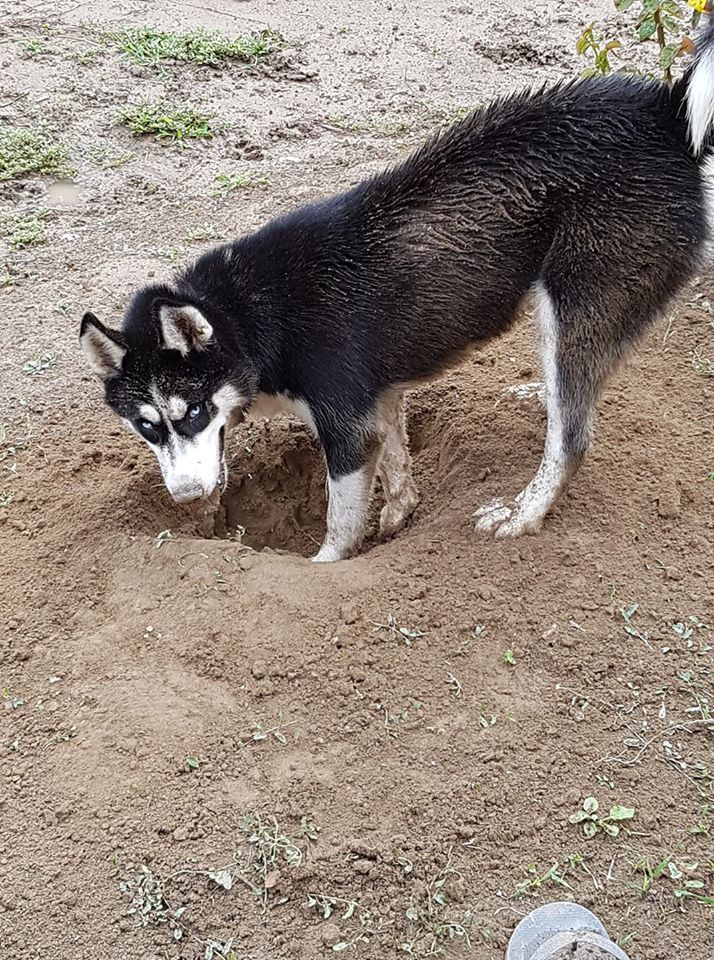
  10. Expert Diggers. If you are a gardener with pristine borders and beautiful flowers a husky is probably not a good addition to the family. Huskies are EXPERT and inconsiderate diggers with no regard to your precious garden. Haley digs daily, usually to bury bones or just to make a big hole. Many a time I have de-weeded and tilled a flower bed only to find my nice soft soil in a heap 2 foot away and glaring deep hole! I have taken to fencing off my flower beds but when “mum’s away Haley will play”!
Meeting new friends whilst out walking

We love Haley dearly and through much perseverance and patience have now got a very smart, funny and loving husky. She is a GREAT addition to our home in the Hungarian countryside. We would not be without her.

Categories
Seasonal Photographs

Autumn Colours of Kisszékely, Hungary

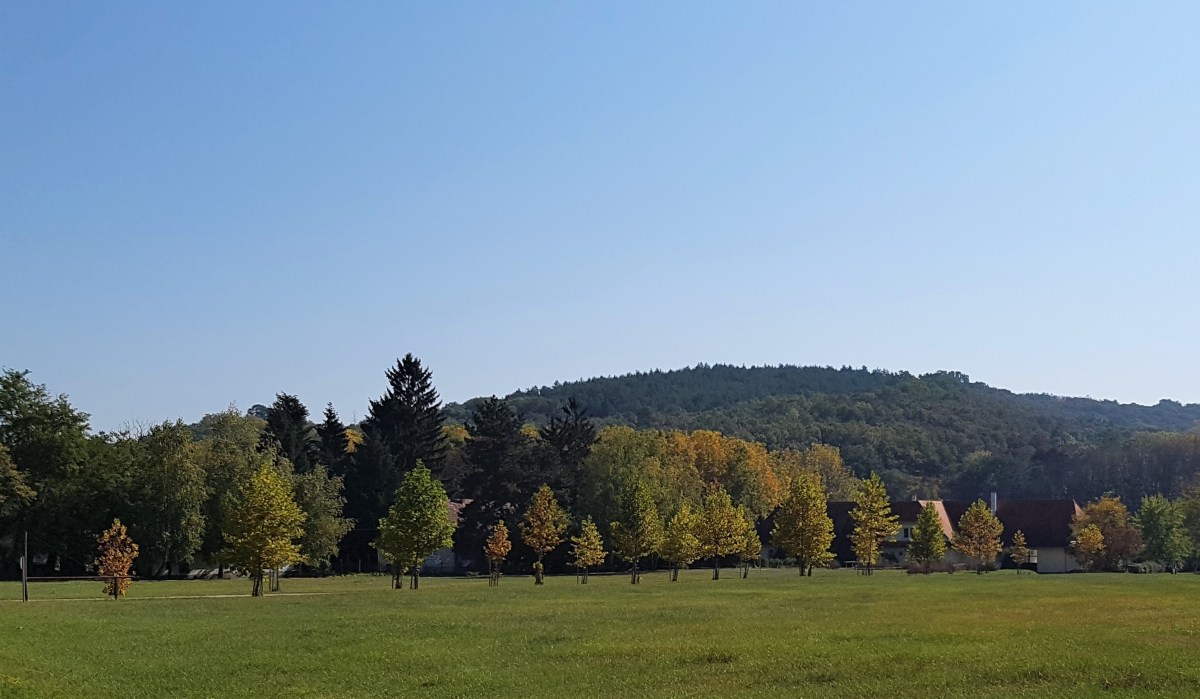
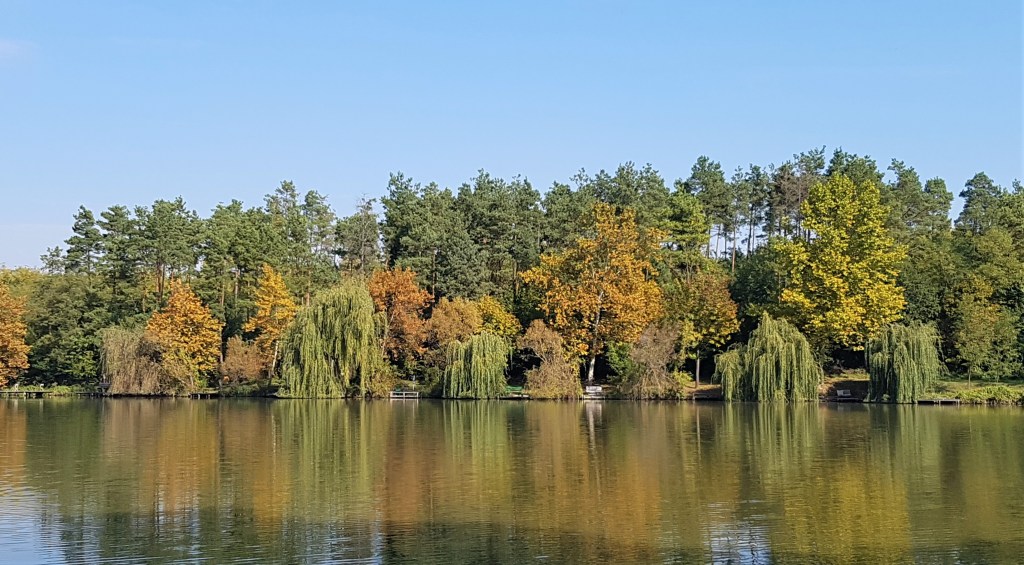
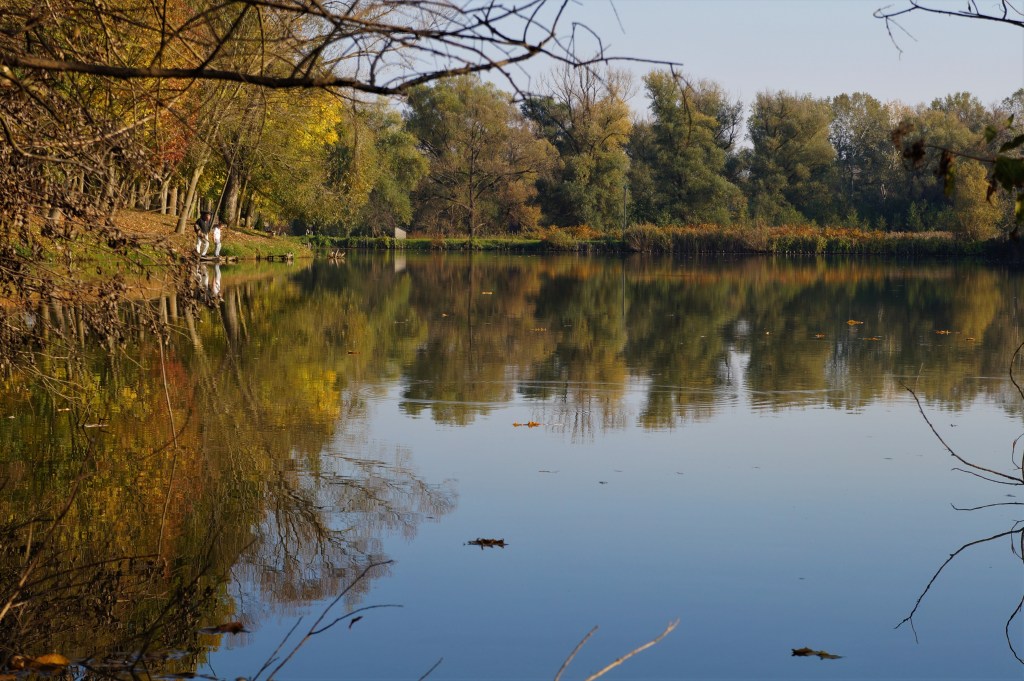
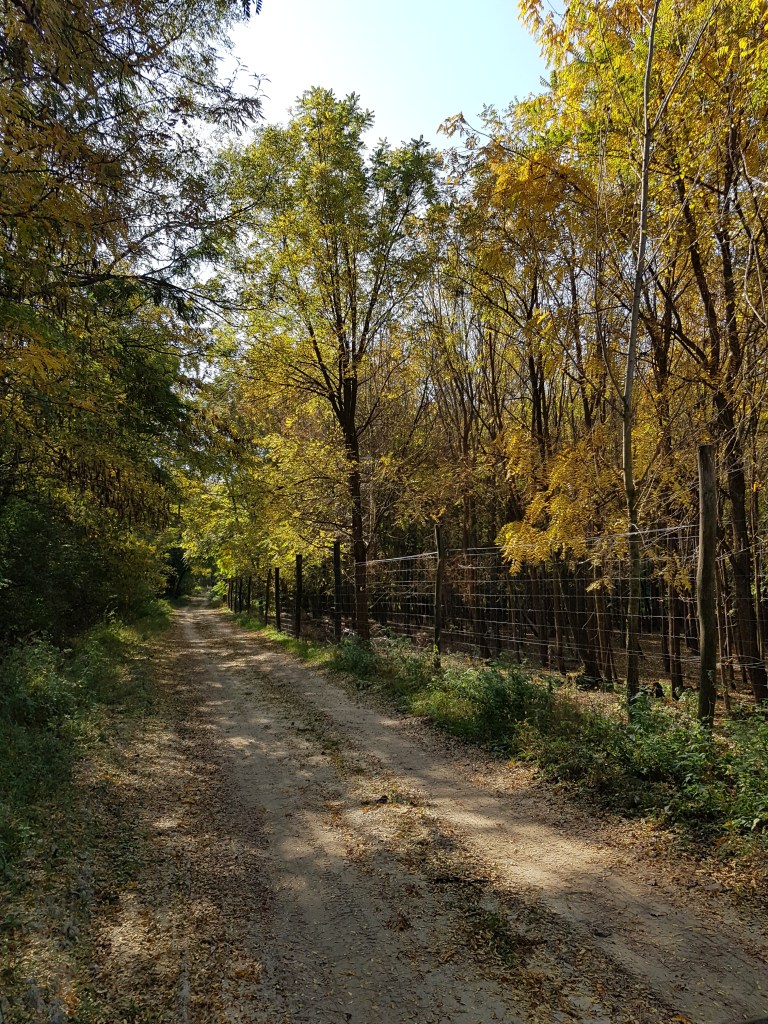
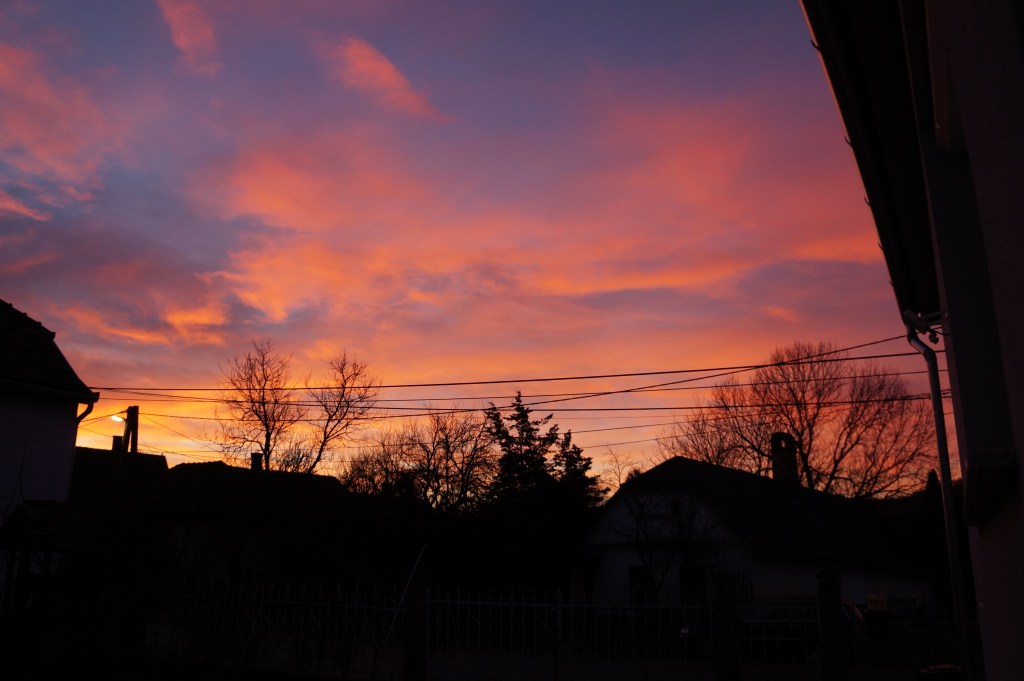
As summer turns to autumn, the trees change their leaves in preparation for winter. The village lake looks particularly beautiful with its changing backdrop. The stunning sky as the sun sets gives an ever changing array of colours. These are photographs taken in and around Kisszékely, a small rural village in Hungary.

The tree lined lake into Kisszékely
Carpets of crunchy leaves cover the ground
Picnic benches entice you to sit and enjoy the peaceful lake
Kisszékely Lake with spectacular reflections
Changing colours mirrored in Kisszékely lake
Reflections and fishermen, Kisszékely lake
Little fishing piers lining Kisszékely lake
Forest trails with changing trees
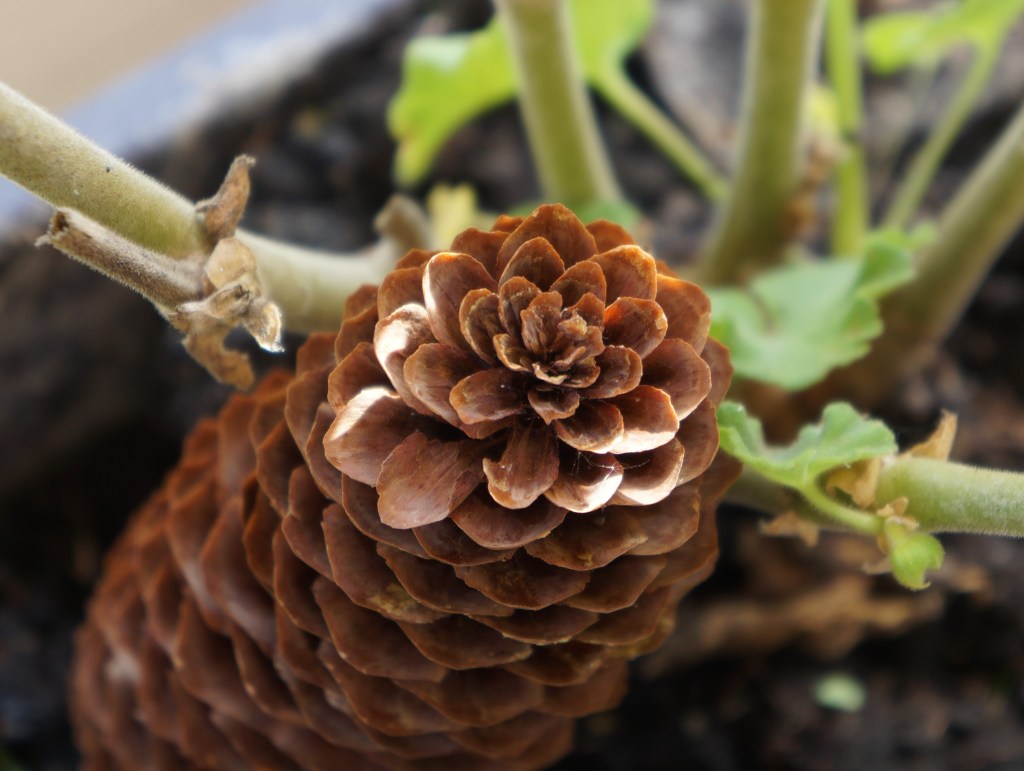
The browns of a fir cone
Ferns changing colour
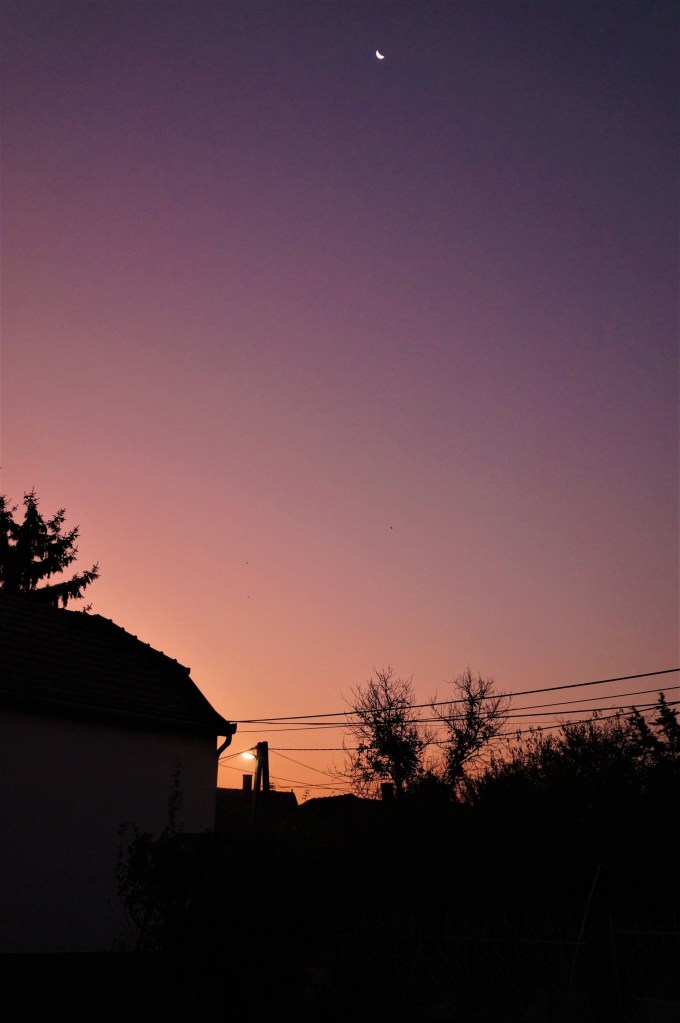
The night sky, Kisszékely
Changing colours over Kisszékely village
Categories
Everyday Life in Hungary

My first ever music festival – Sziget Festival, Hungary 2019

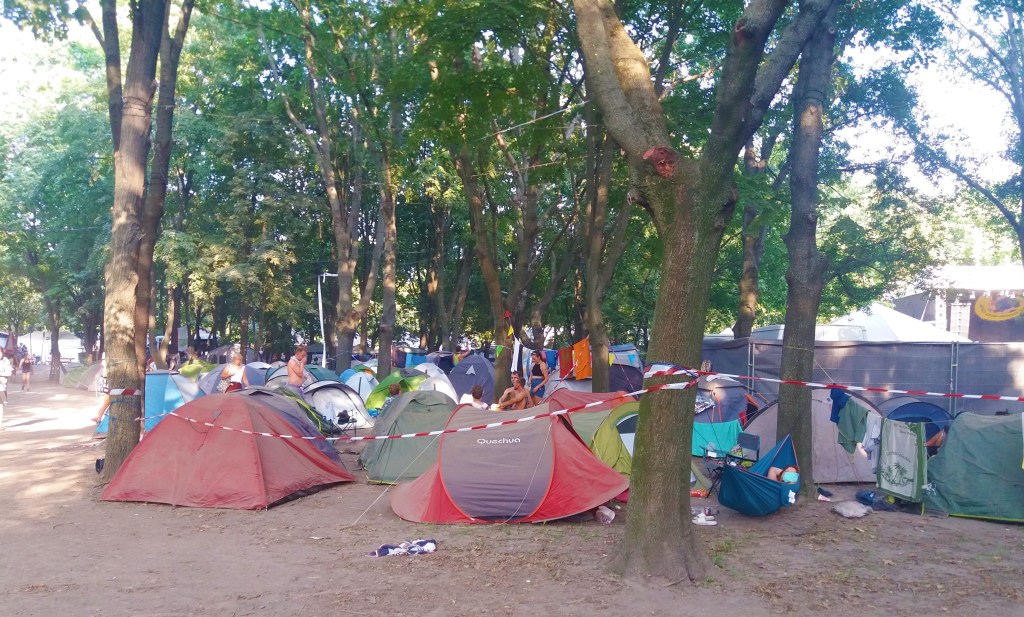
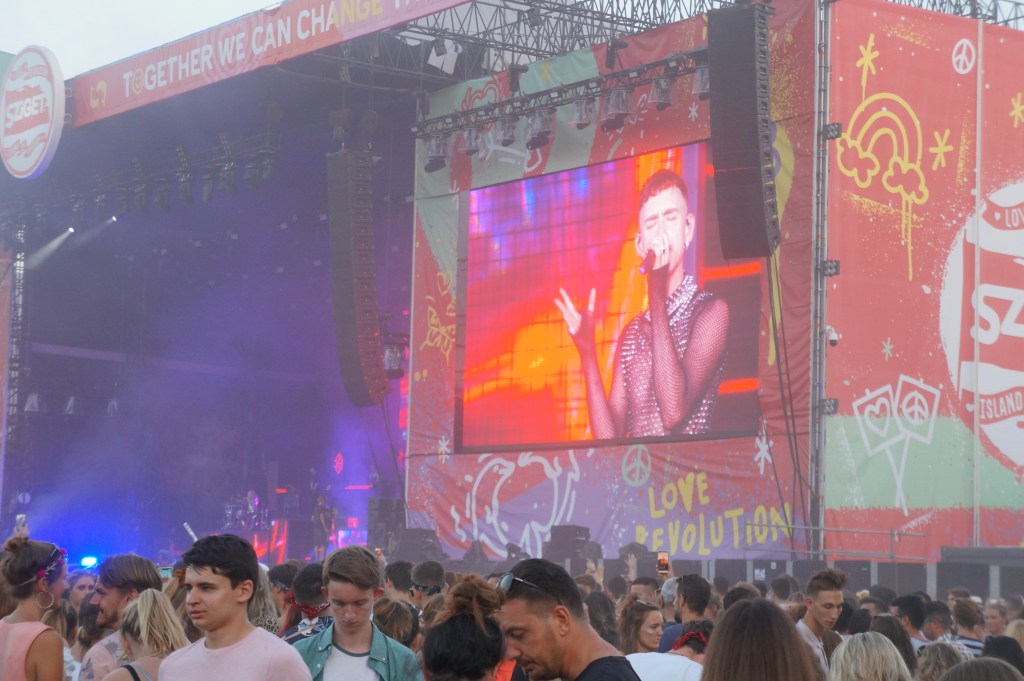
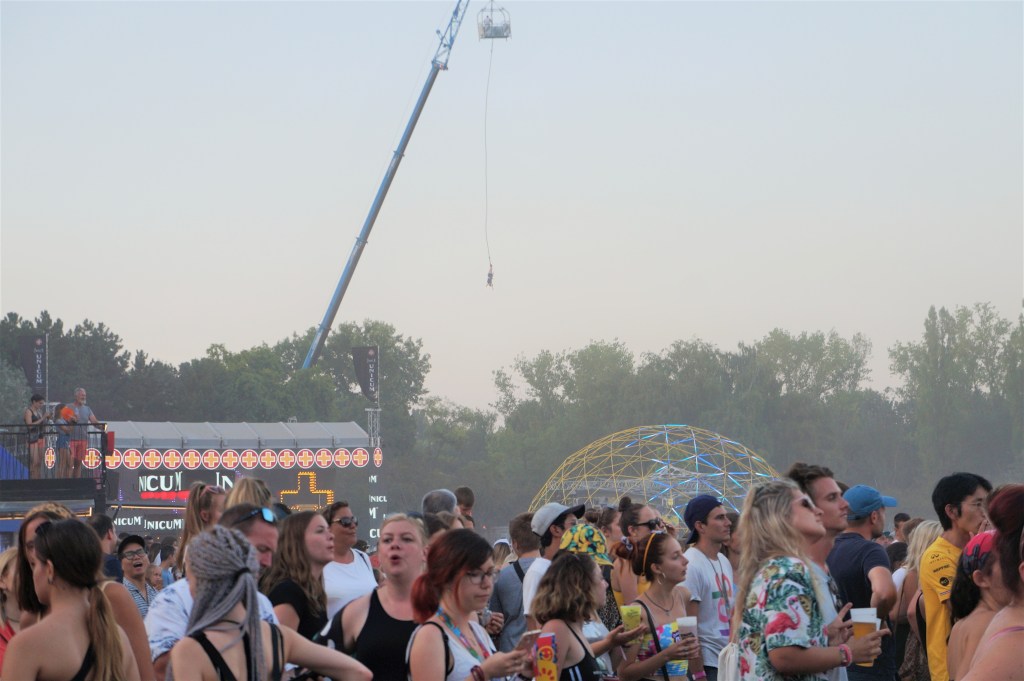
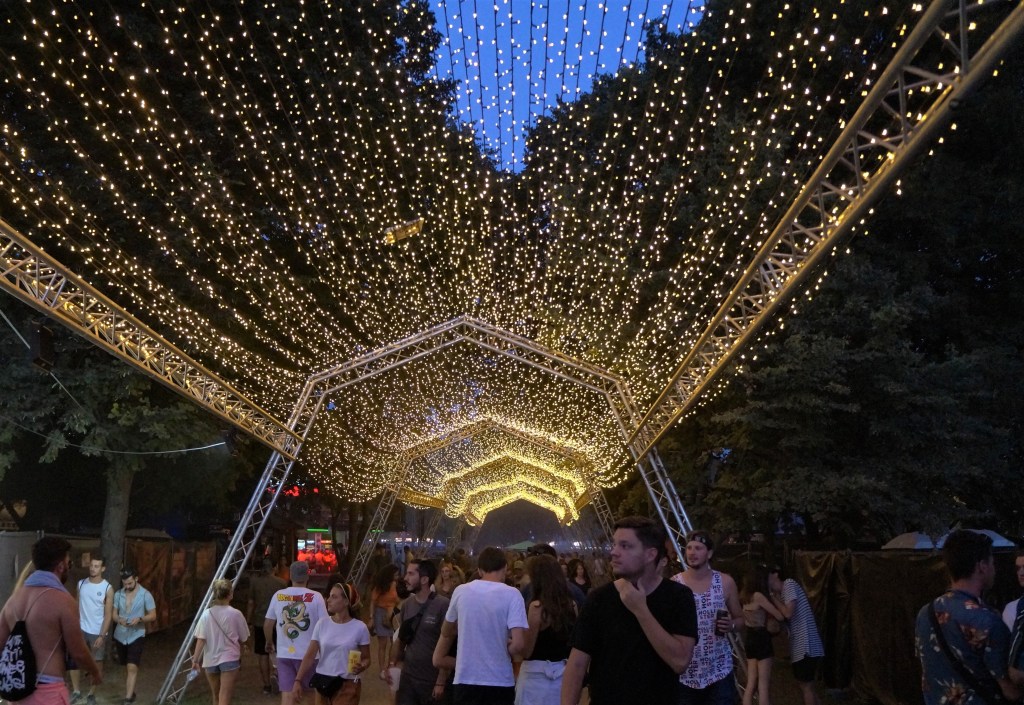
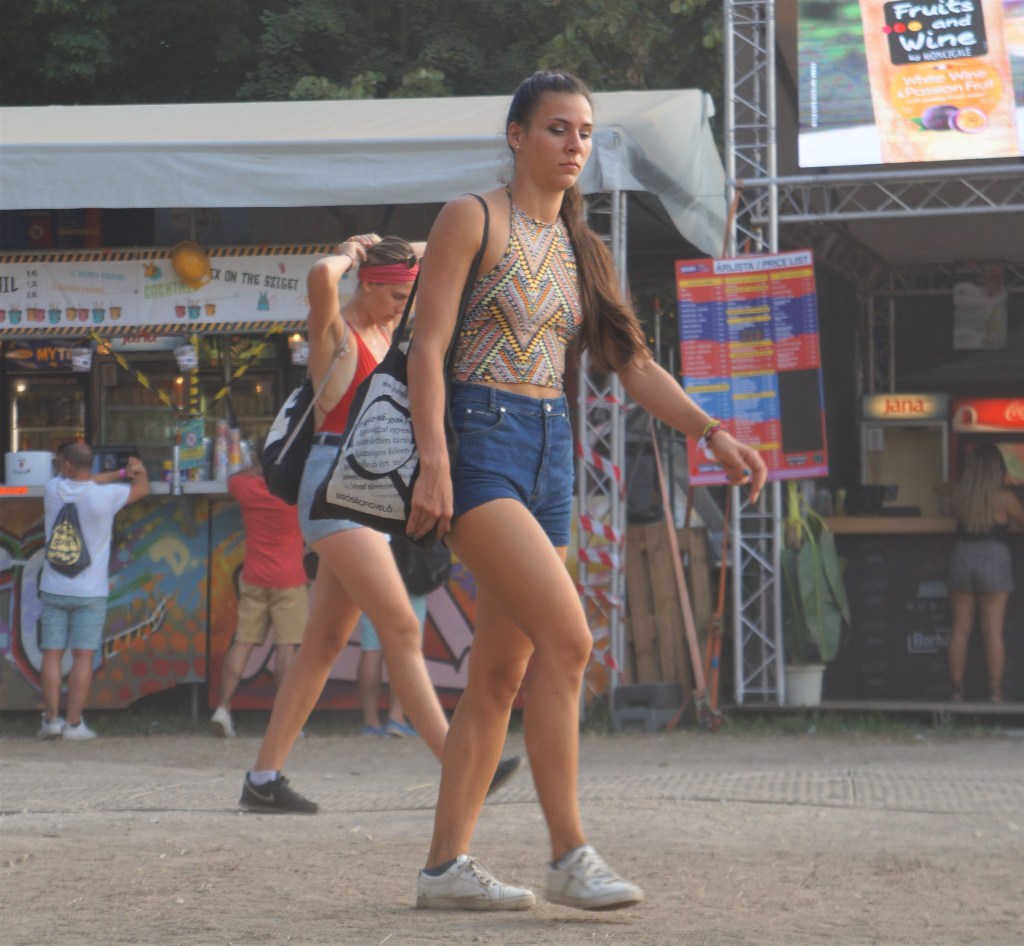
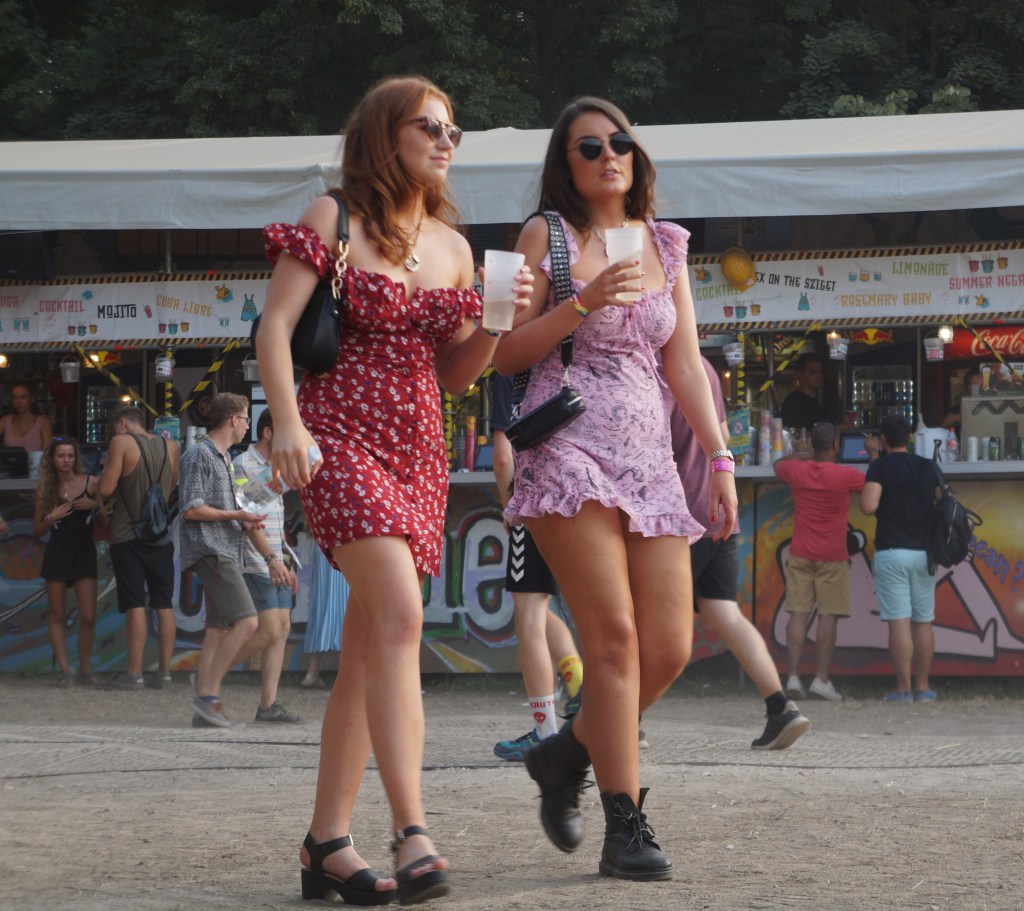
At the ‘young at heart’ age of 57, I finally managed to go to my first music festival, ticking off one of my many bucket list entries. I love all sorts of music ranging from rock and pop through to folk and classical. My daughter and I chose to stay in Budapest and commute to ‘The Island of Freedom’ festival on a daily basis, using the metro and trains. I did not fancy camping, but many do, braving the inconveniences and seeing it as part of the overall festival experience.

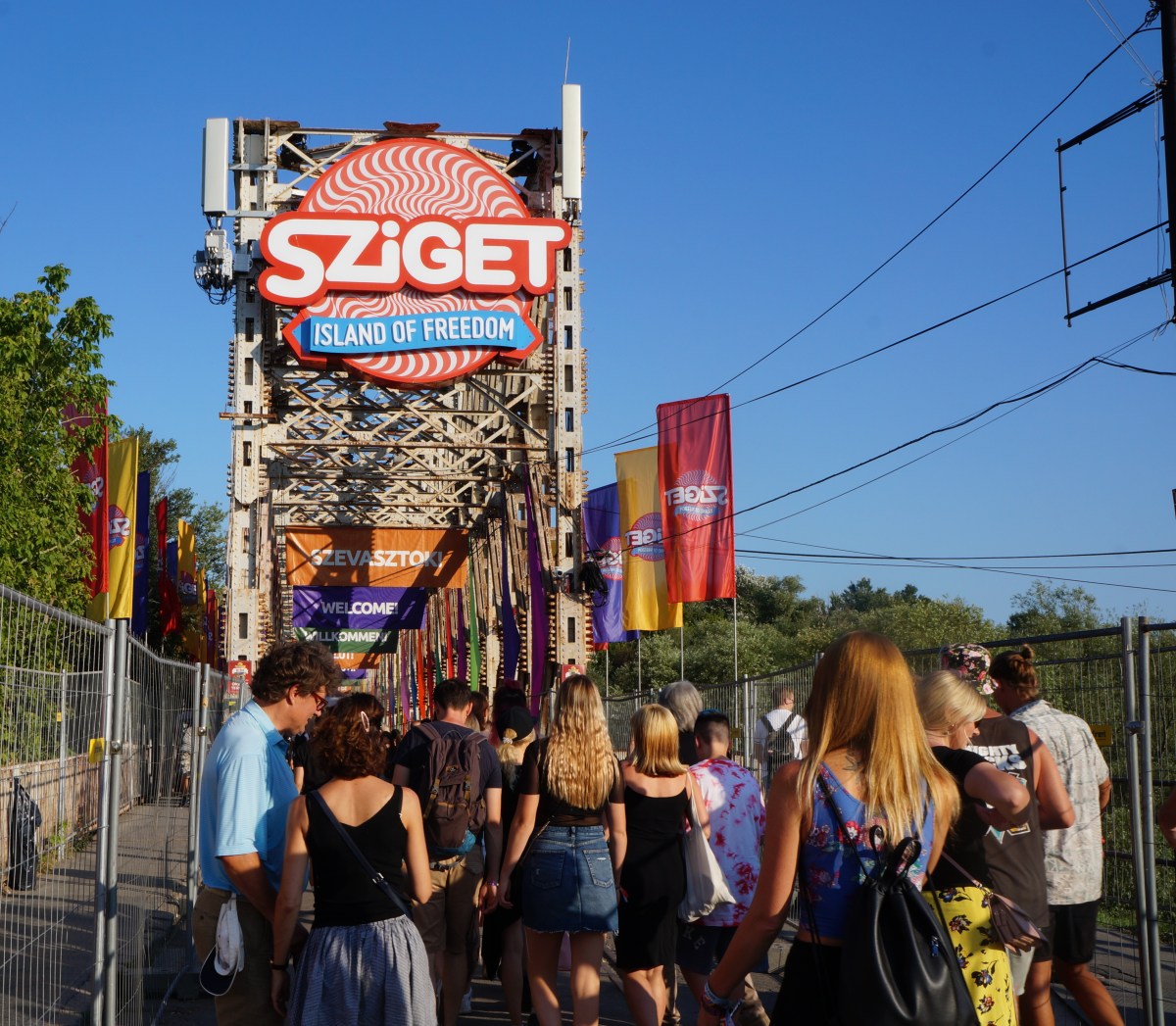
Living in Hungary meant it was easy for me to access one of the largest music and cultural festivals in Europe. The Sziget (pronounced Zi-get) festival takes place annually on an island called Óbudai, a 266-acre green lush island in the middle of the River Danube. The island is reached by walking through an old railway bridge, making this the main entrance to the festival. More than 1,000 diverse cultural performances take place each year, something for everyone even children. We bought a 3 day ticket (the last 3 days) which was ample time to explore the island and see the bands we wanted.

So as a ‘first-timer’ I thought it would be useful to share my tips and photographs with you on what to expect and how to enjoy the festival to its maximum. Fortunately, my daughter is a seasoned festival goer which made things infinitely easier in a lot of respects.

My tips for First-Timers at Sziget Festival

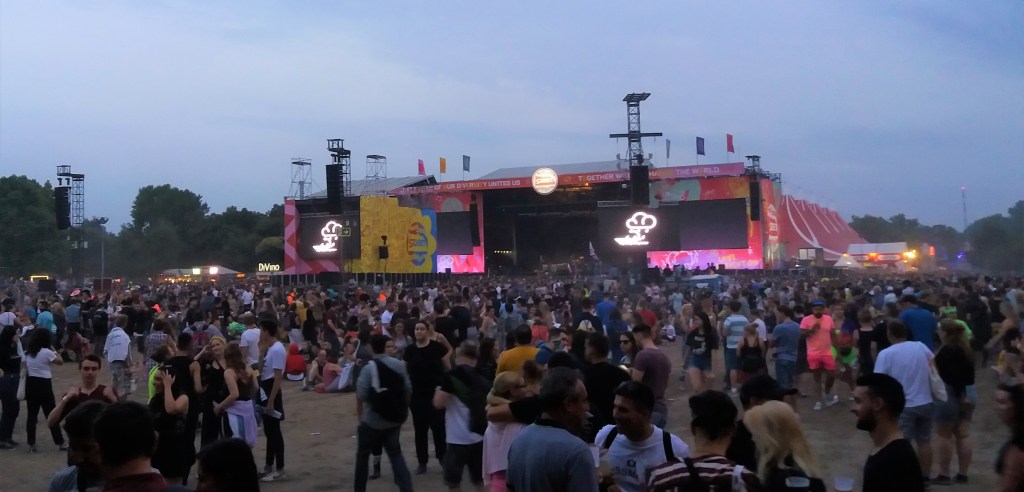
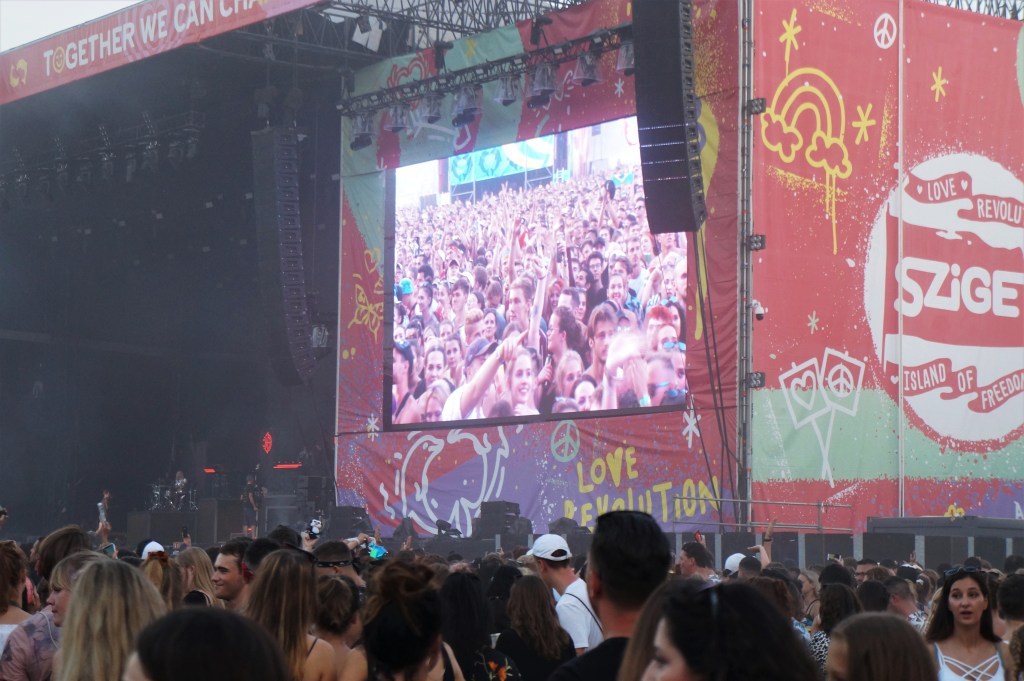
Be prepared for changeable weather. The weather in Hungary is quite predictable usually with an accurate weather forecast. We realised that heavy thunderstorms were forecast on the final day so we decided to invest in waterproof capes to give some protection against imminent storms. The massive music screens also showed thunderstorms but to be honest it did not really matter. We watched bands on the main stage through dramatic forked lightning giving an amazing electric atmosphere but did not experience the rain until the final hours of the show. At the other end of the weather scale, the sun was scorching hot and sunscreen and hats were a must whilst walking around the festival.

Wear suitable footwear. As we were staying off-site we could choose what footwear would be the best. The festival site was absolutely enormous and there were lots of things to see and do. This meant we walked around 12km (7.4 miles) each day. I opted for comfortable trainers which I did not mind getting muddy if the ground got wet. I also had a pair of incredibly comfortable clogs but despite their comfort I did end up with blisters! For the all week festival goers, I would recommend hiking boots, as many people I noticed wore them.

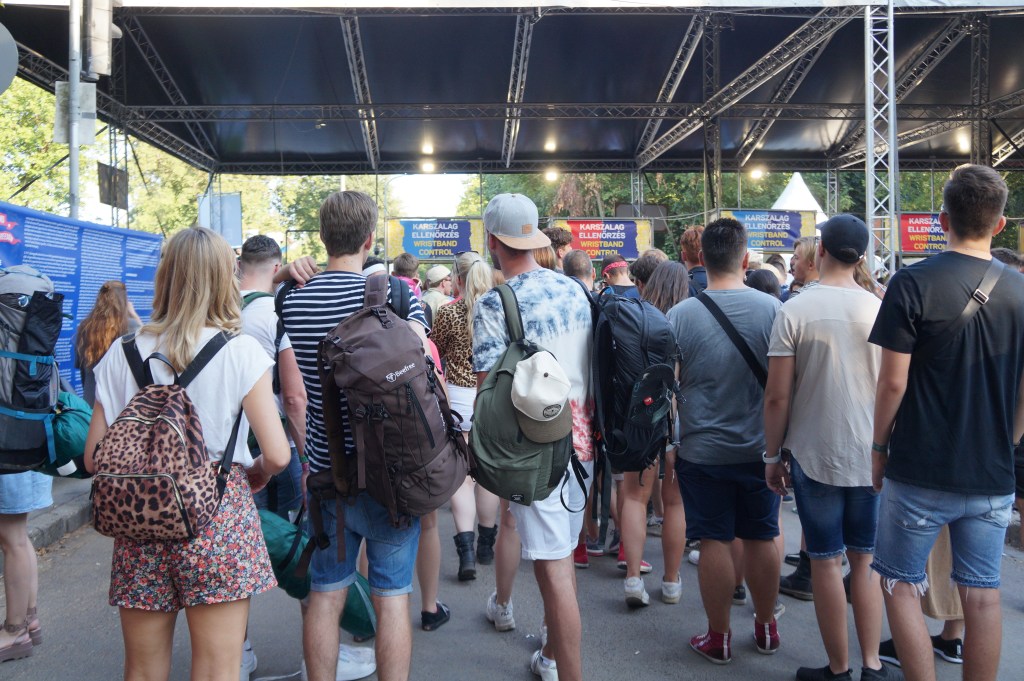
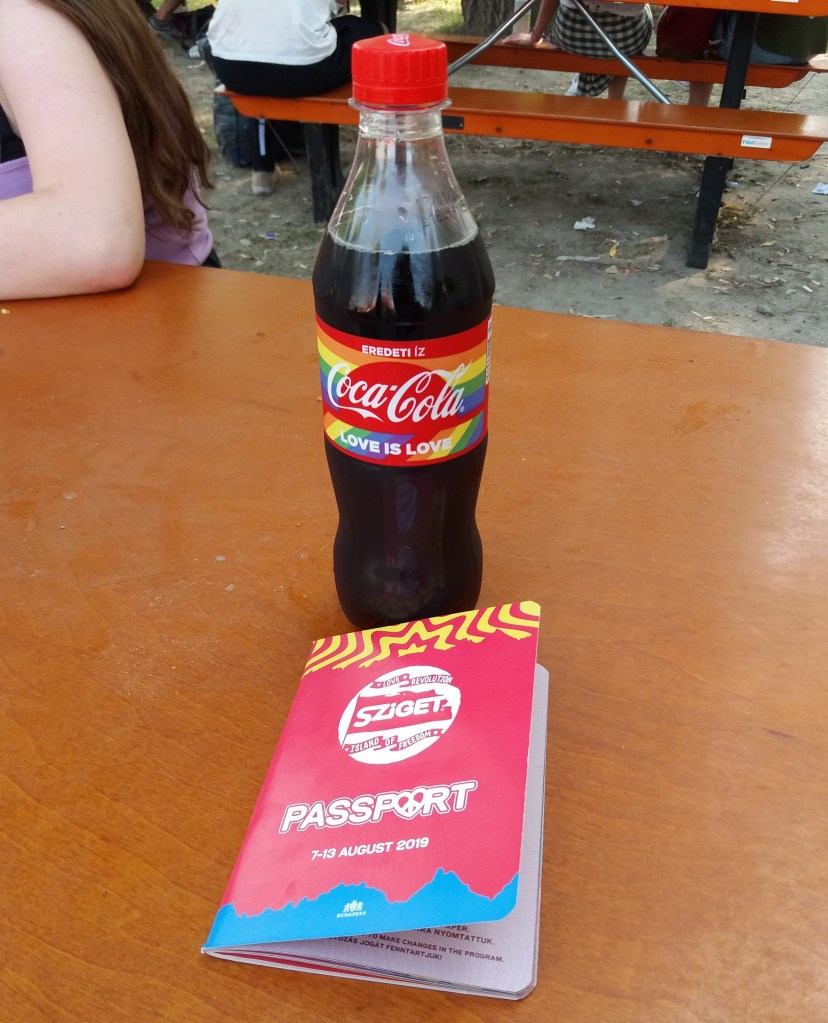
Dealing with queuing. Be patient! When we initially arrived at the festival there were several places we needed to visit before we could enter the festival. First stop, and long queues, was a booth for showing our tickets and obtaining wristbands, getting our money pass and ‘passport’ festival schedule. Next stop was to go through security channels, similar to an airport. The guys were checking random bags for the usual contraband items and alcohol, as there was a no alcohol policy. I was thankful I had a small backpack, easily accessible and fitted all my essentials in. Once through the scanner, we were in! It felt great to be there.

Cashless Festival. A definite advantage in my eyes. A well organised system was in place where we used a barcoded money pass to purchase food and goods throughout the festival. There were numerous booths dotted around the grounds where we could top-up our card if our funds ran low. Using this method of payment meant the queues were fast moving and you didn’t have to worry about exchange rates or the right change. At the end of the festival, we went to the money booths and claimed a refund for what we had not spent on the card. Perfect.

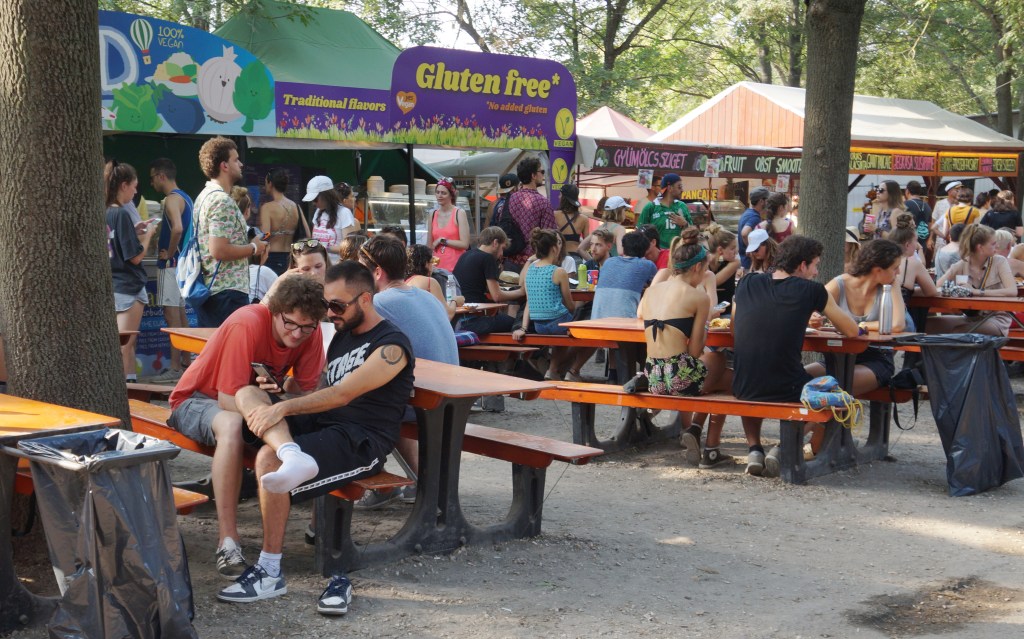
Excellent food and drink outlets. We were amazed at the huge variety of different foods available to buy. The portion sizes were huge and also relatively cheap. There was no need for us to take any sort of food in as we were spoilt for choice. Alcohol was sold at every corner, again at a very reasonable price. We were spoilt for choice and tried many different dishes. We spied a huge choice of pizzas, pastas, burgers, fruit bowls, doughnuts, kebabs, pulled pork dishes, fish and chips, even gluten free options. I particularly liked the Falafel with Hungarian spicy sauce. We didn’t go hungry!

Plan your day. My daughter and I knew who the headlining bands were and had taken the time before coming to the festival to research as many bands as possible, to get an idea of what else was on offer. We wanted to get our money’s worth instead of aimlessly walking around. This proved to be invaluable and each morning we looked at the ‘festival passport’ to plan our day and evening. We managed to pack in as much as possible and saw lots of unique performances and even some we had not planned for. It was worth being organised.

Don’t be shy! We found everyone to be super friendly, sharing benches for eating with total strangers but chatting away as if they were long lost friends. Around 50% of the visitors come from outside of Hungary so it made for a great mix of nationalities. We found a lot spoke English and were only too happy to tell us where they were from and which bands they had come to specifically see. We saw absolutely no trouble at all the entire time we were there, so refreshing in this day and age.

Essentials to take. I appreciate everyone is different but these were the things that we took for the festival in my backpack that I considered to be essential: Hand sanitiser, tissues, lip balm, sun cream, mobile phone/camera, power-pack for recharging, tickets/money/ID, sunhat, sunglasses and some sort of waterproof. I am sure others would add to this list but it worked for us.

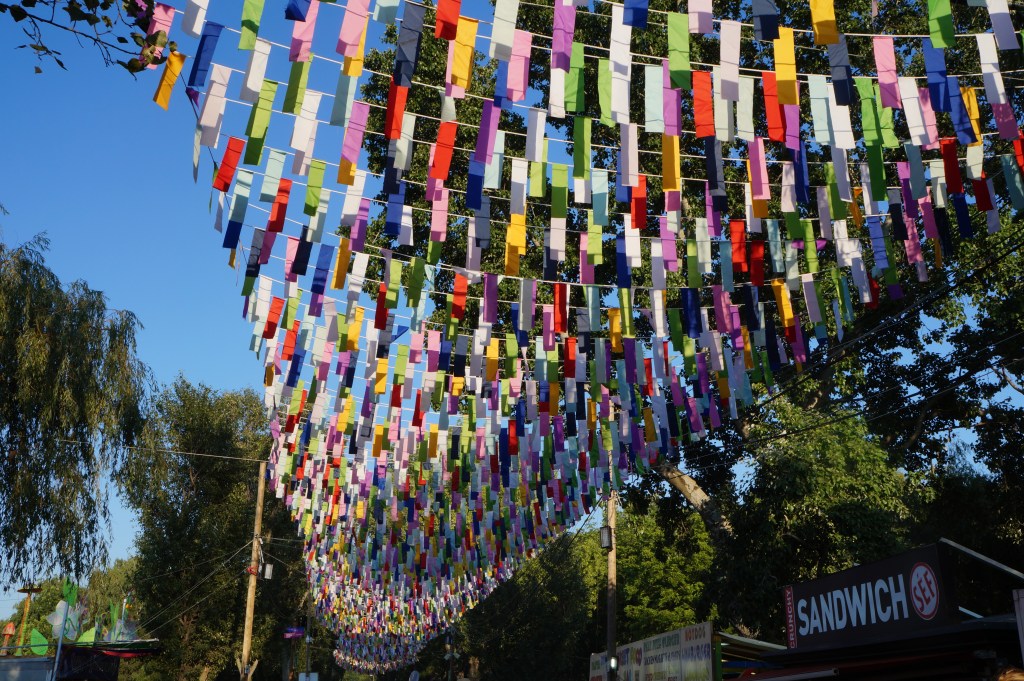
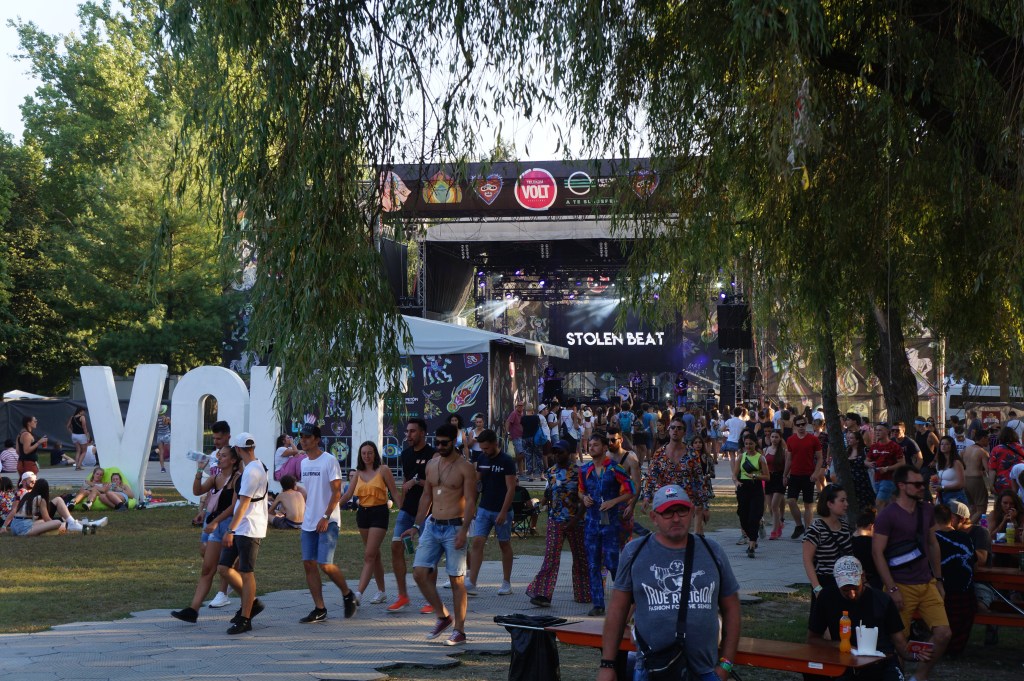
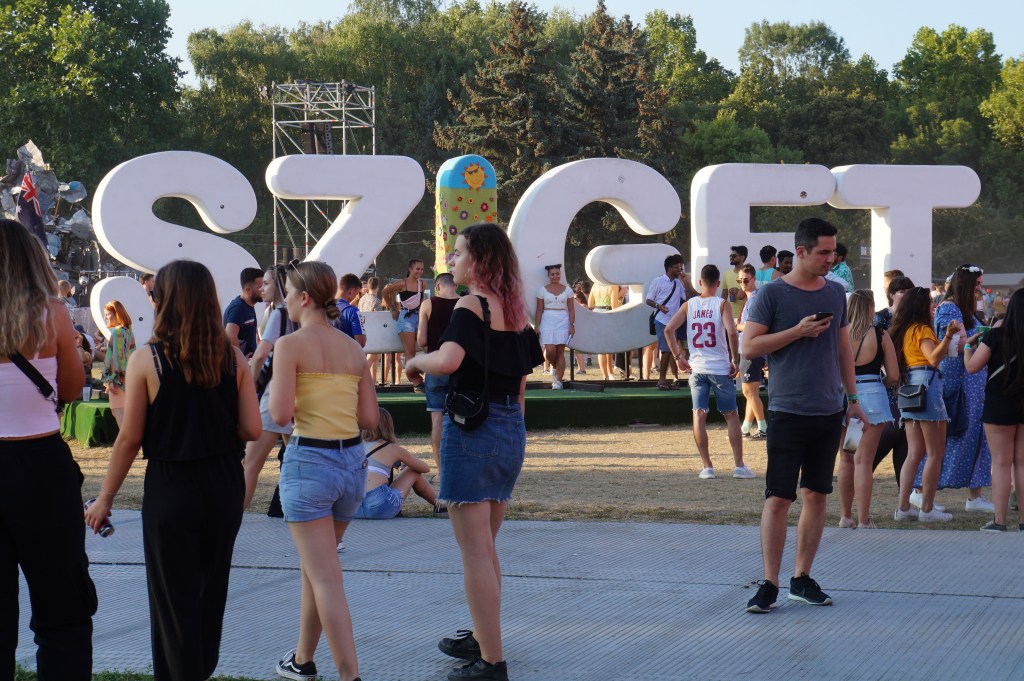
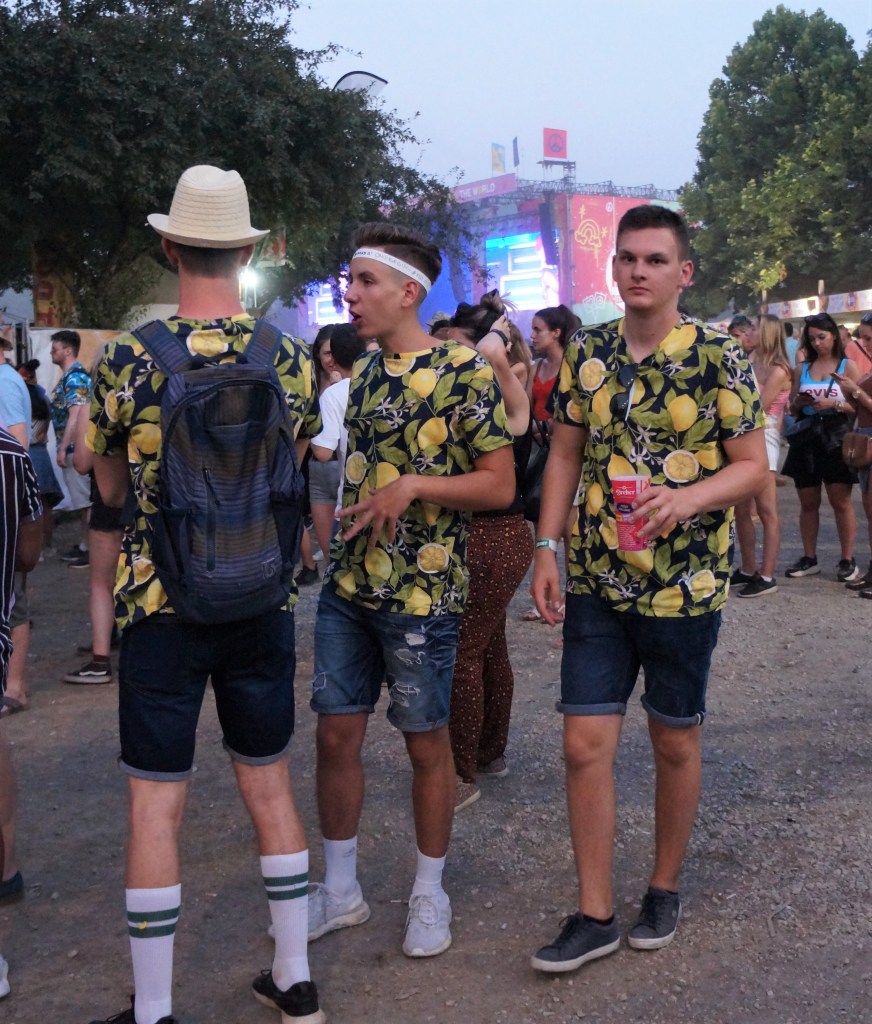
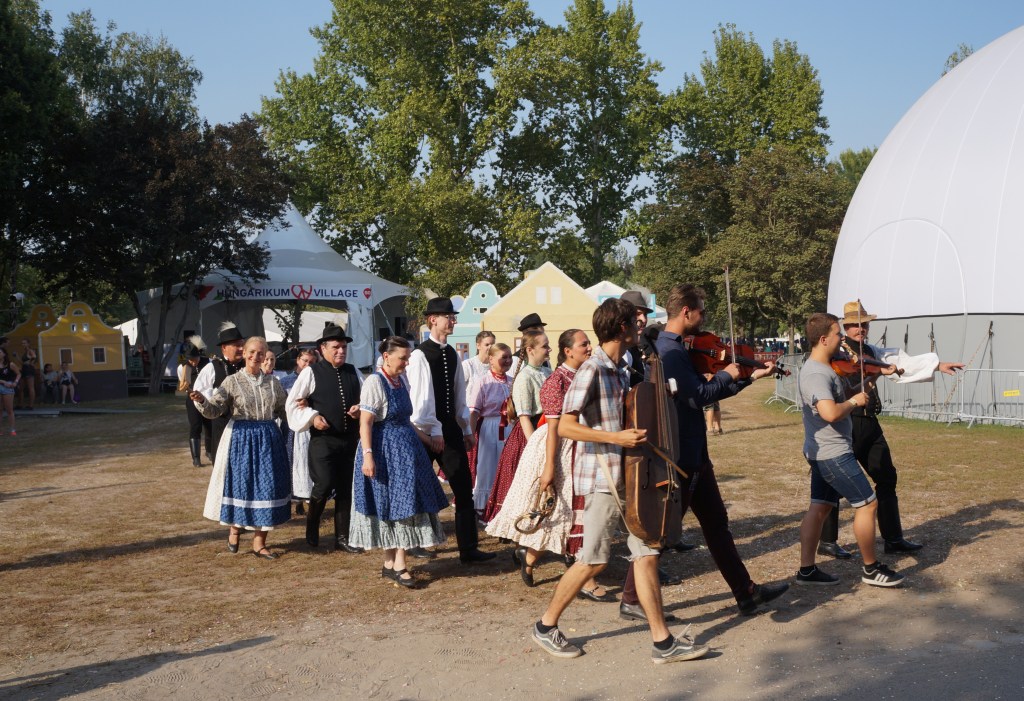
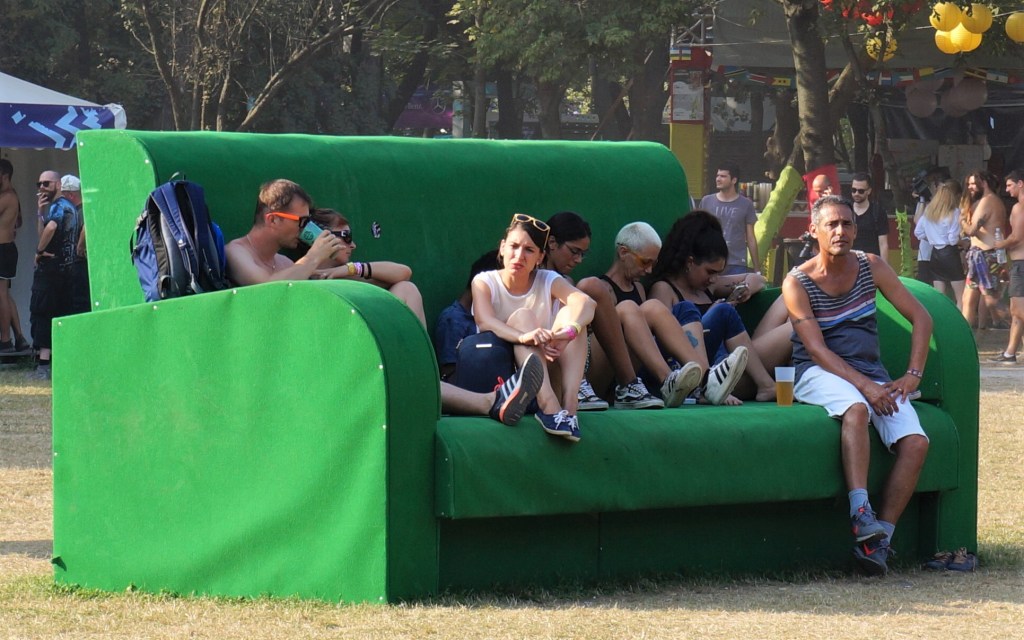
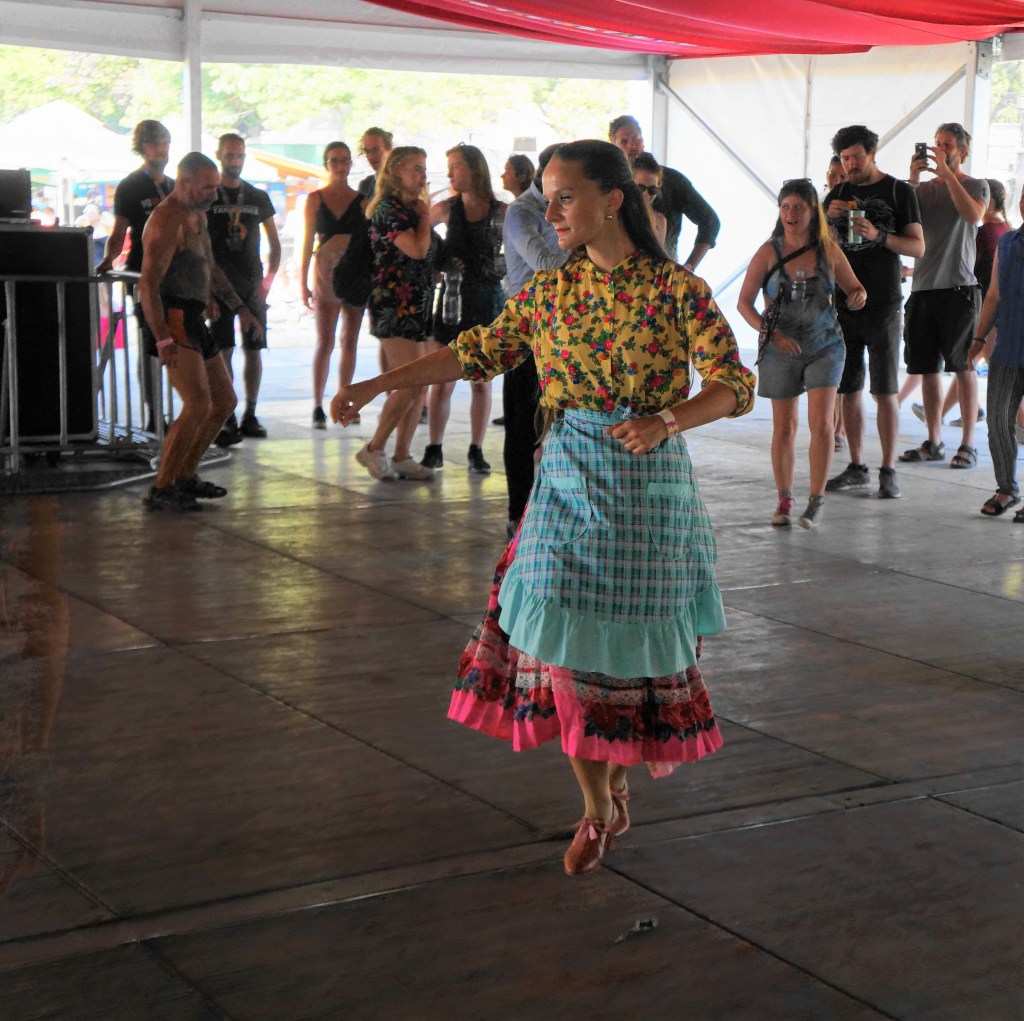
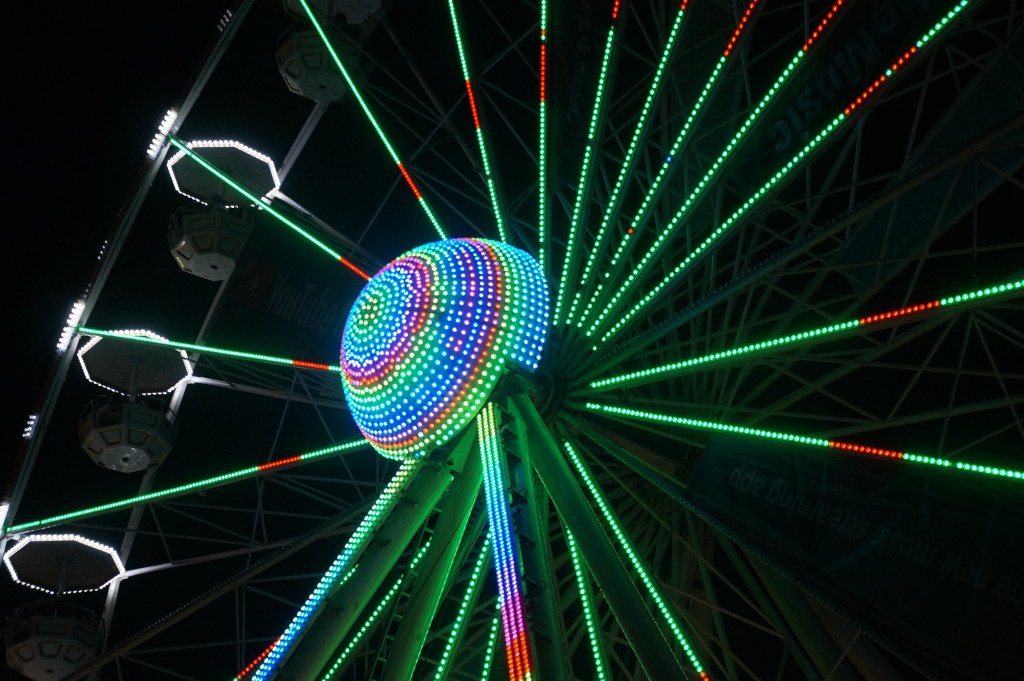
Below are a few of my memories of the great time we had at Sziget festival 2019.

My experience of attending my first music festival was amazing and I shall always remember the care-free jovial atmosphere, the brilliantly organised events and realised that age was not a barrier when everyone was there for the same reason, to love and appreciate the music. This will not be my last festival for sure.

Here is just a short clip showing the excellent music and sights that my daughter and I experienced at The Sziget Festival 2019.

The official Aftermovie Sziget Festival 2019 –https://www.youtube.com/watch?v=1MLLNEiAj0A

And finally…

Foo Fighters were the AWESOME headliners of the whole festival, if you are a fan you MUST watch this very heartwarming inspirational documentary, about the man in the wheelchair…it brought tears to my eyes. Dave Grohl is one amazing man. https://www.youtube.com/watch?v=kD7BkZf5V_Q

Categories
Everyday Life in Hungary

10 things I have learnt from Hungary!

This is a light hearted look at the way I have learnt to adapt to the Hungarian culture and lifestyle. Every country has differences but they do not become apparent until you have spent time observing and learning what’s acceptable and what is not!

Generally, English people are quite reserved and tend to walk with their heads down and not talk to anyone unless it’s absolutely necessary. In Hungary, you hold your head up high and shout “Hello” as a greeting to every person you see. I was surprised to find this happening in waiting rooms of doctors and dentists, a “Hello” when patients walk in and as they leave they say “Hello Hello”. Are you confused? Yes, I was too, Hungarians use the term “Hello” to greet and say goodbye.

English people are generally punctual, in fact, usually early for a timed gathering or meeting. Hungarians take a far more relaxed view of timekeeping, I learnt that a meeting taking place at say 1 o’clock, generally meant they would arrive at 2 o’clock. At first, I found this annoying but realised this is their way of life, unhurried and easy going, I have now accepted this.

As the lowest Hungarian coin is 5 forints, when buying items requiring change of 1,2,3 or 4 forints I have learnt to accept I would not get the change. It took me a while to work out why I was being short-changed, but finally the penny dropped!

You know you are talking like a Hungarian when you can pronounce Egészségedre correctly, the term used to say “Here’s to You or Cheers! This term is also used when someone sneezes, meaning, Bless You!

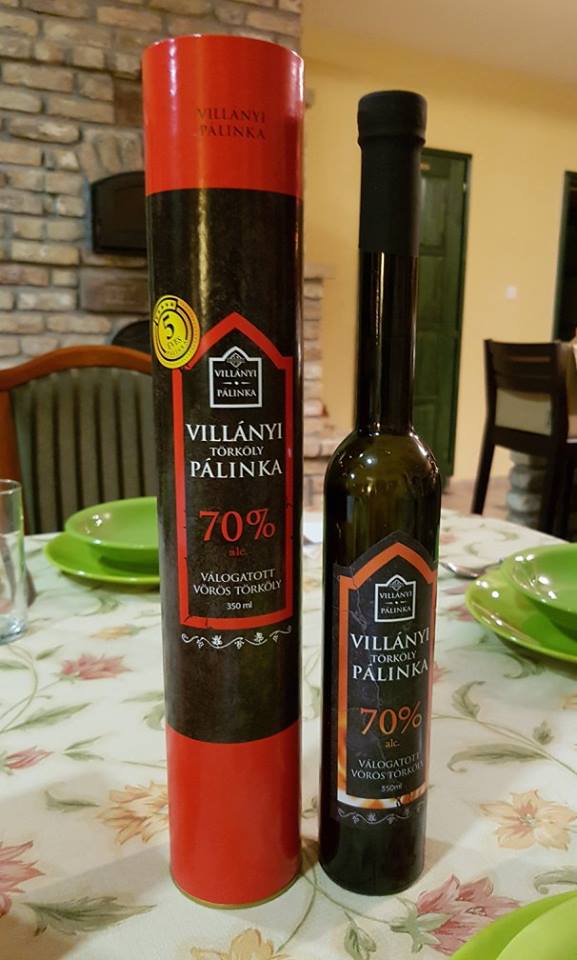
Palinka (fruit brandy), the potent fiery “cure-all” does not burn my throat as much as it did when I first arrived. Hungarians are very proud of their national drink and will offer it to you at every opportunity, I discovered it is extremely bad manners to refuse it.

Hungarian Palinka (Fruit Brandy)

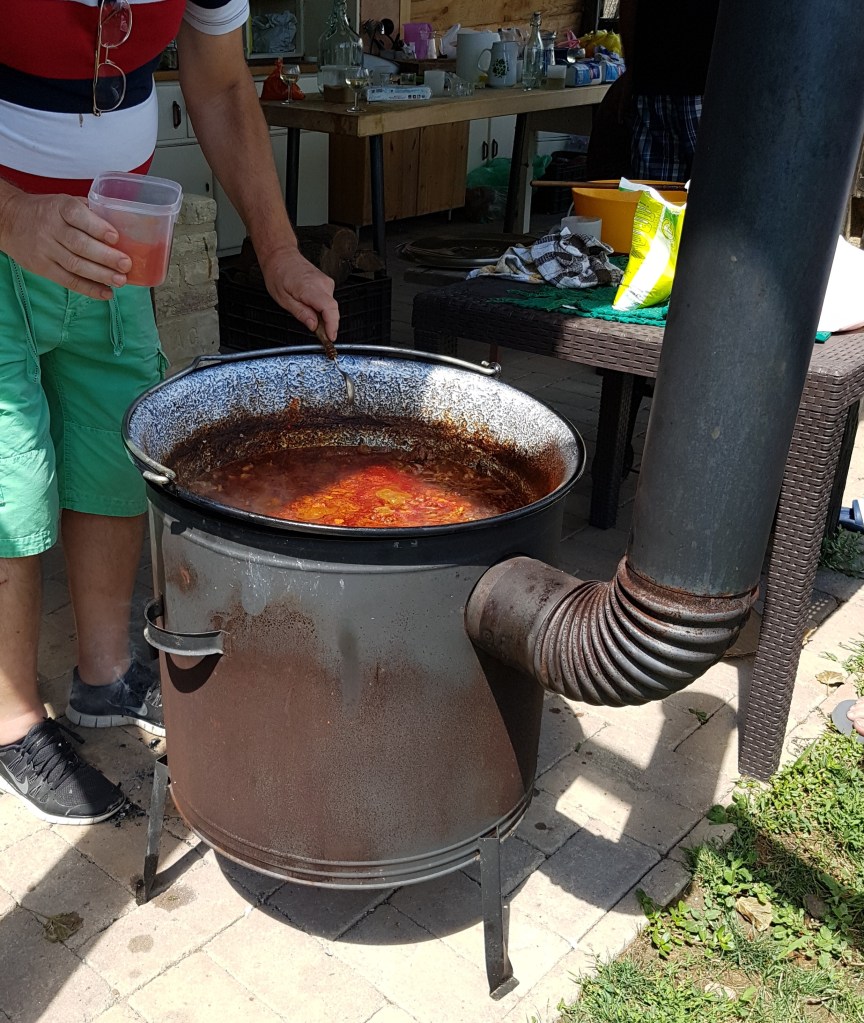
I seem to be developing Hungarian taste buds as I now add hot paprika to most dishes and REALLY enjoy it. Most people have heard of Hungarian Goulash but the traditional version is called Gulyás and is a soup, heavy on meat, paprika and other spices, prepared in a huge pot usually over an open fire. Absolutely delicious! 

Traditional Gulyás cooked outside with lashings of paprika.

More and more I am finding myself speaking Hungarian words to my husband inside our home, in the past we have only spoken English. They seem to just pop out of my mouth, not a bad thing and a good way to practise. Hungarian is incredibly hard to learn, but I will get nowhere if I don’t try to learn.

If you are a vegetarian (which I was for a time) it can be challenging here as the Hungarians are mainly a nation of meat lovers, favouring chicken and pork for most meals. Not many restaurants have vegetarian options and salads and coleslaws are very different to their English equivalent.
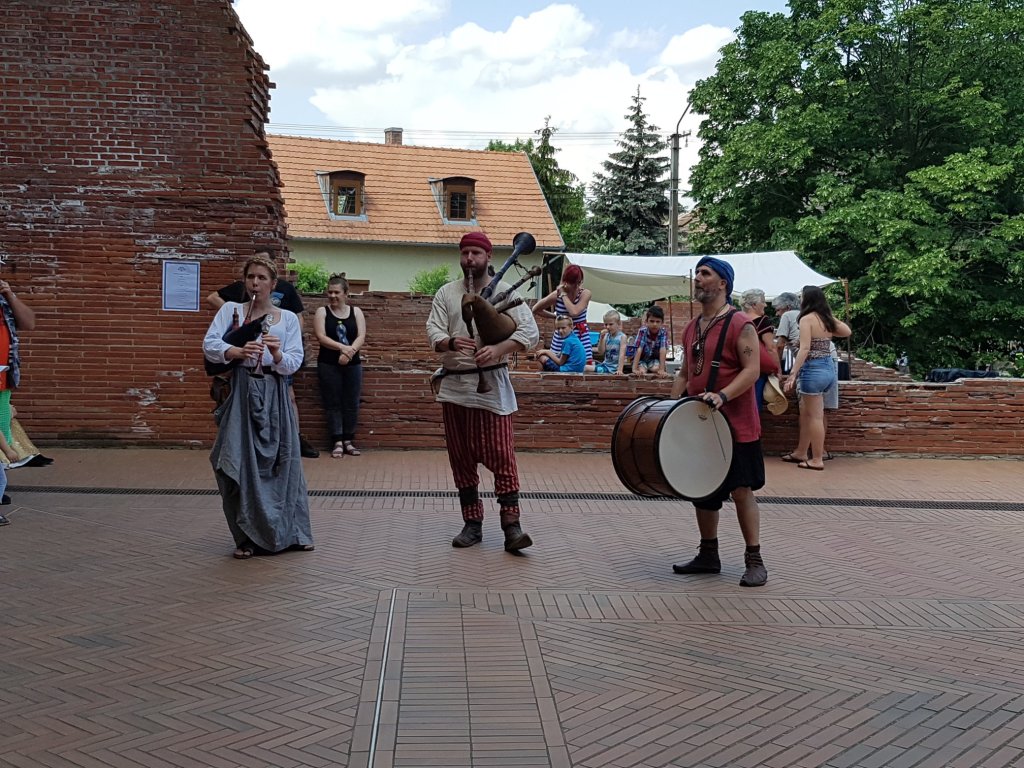
I have discovered that the music played here on the Hungarian radios is mainly 80’s English disco/pop. Our builders had their radios on full blast during the summer months which was sometimes quite nostalgic. Traditional music is played frequently at village festivals, a foot tapping joyous sound which is surprisingly pleasing to listen to. Oh, how my music tastes have changed!

Medieval music played at a reenactment day.

I have learnt that Hungary is a nation of cigarette smokers, and it is rare to see anyone with an e-cigarette. I have an e-cigarette and find it hard to buy oils here. There does not seem to be a health drive as intense as there is in England to reduce or help people to stop. Tobacconists are the only people who are licensed to sell cigarettes whereas in England you can buy them in a variety of places including supermarkets. They are far cheaper here at about £3.50 per pack compared to England at over £10 a pack.
Categories
Everyday Life in Hungary

Bees, Honey and Hungary

Most people love the delicious taste of honey. We buy the local honey and eat it on hot buttered toast, wonderful! Not only does it taste good but it has many healthy benefits too. Honey has a disinfecting effect and gives inflammation relief, particularly for those with sore throats.

Hungary is the largest producer of natural honey with over 15,000 beekeepers throughout the country. Bees are one of the best pollinators in the world but unfortunately, numbers are declining. This is mainly due to the widespread use of pesticides.

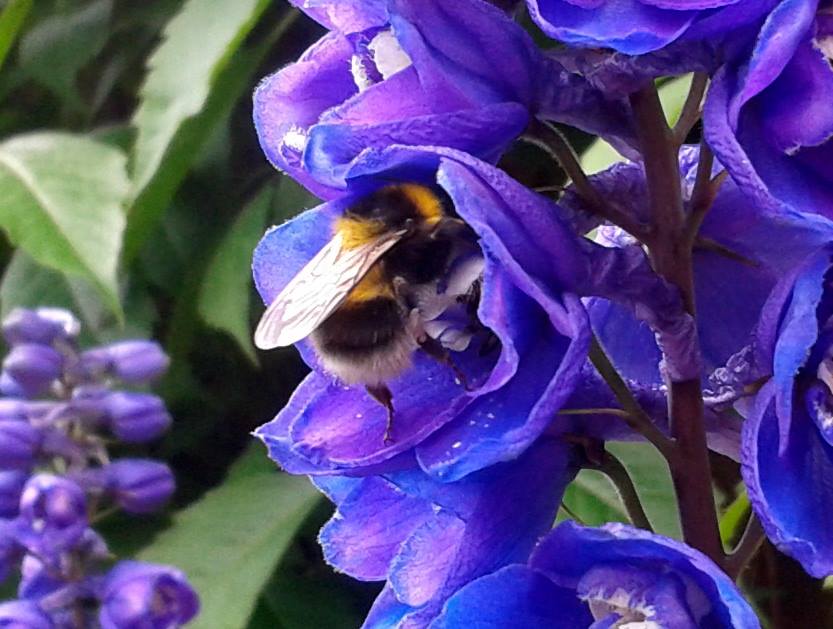
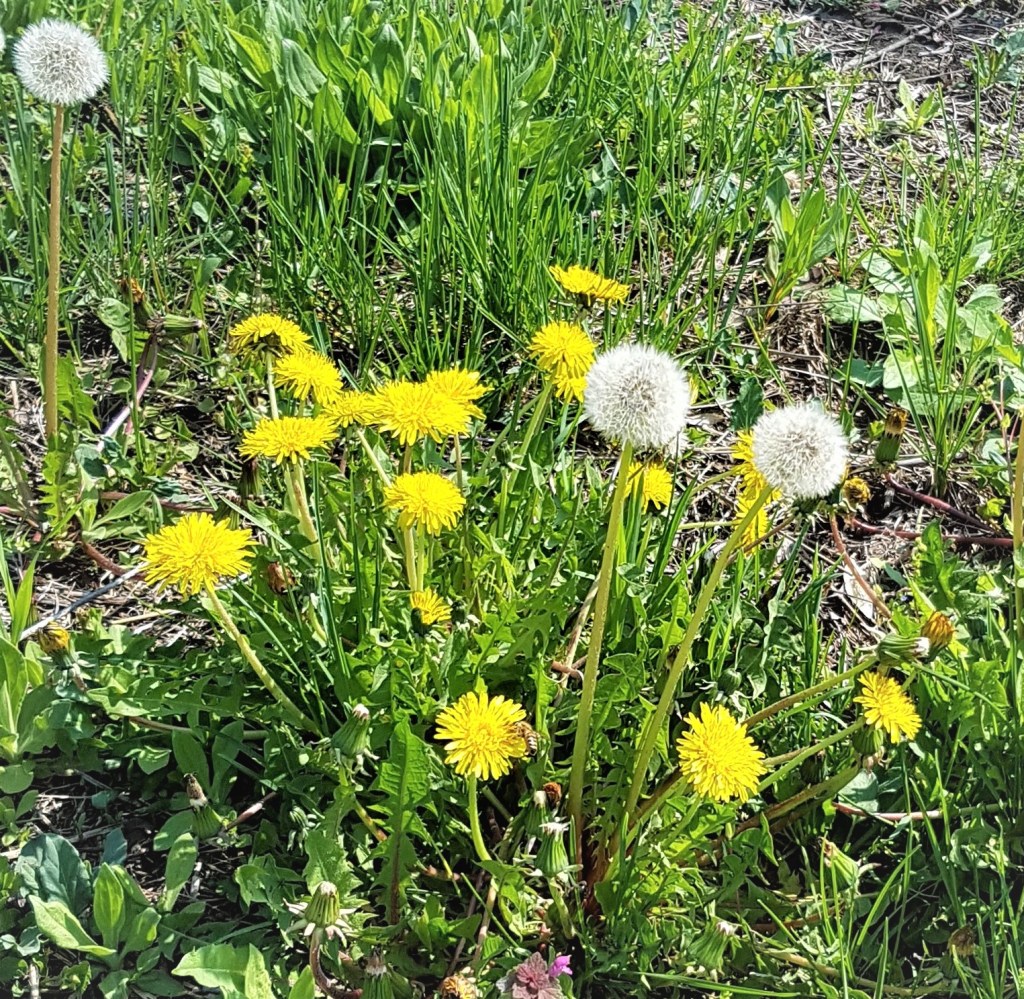
We can all do our part to support the dwindling population by providing abundant food sources for them in our gardens. Plant flowers with blooms to encourage them to visit. Different blooms provide different tasting honey. Cherry blossoms, sunflowers, daisies and even dandelions are bees’ best friends.

In Hungary the most famous honey is Acacia Honey taken from the white blossoms of the Acacia tree. Hungary’s unique climate and huge expanses of Acacia forests enable bees to produce a clear pure honey. It has a high sugar content so it does not crystalize, unlike other types of honey, it retains its liquid form for years. 75% of it is exported worldwide.

It is common to see beehives dotted around the forests of Hungary as beekeeping is a popular and profitable industry.

Bee hives are protected with plastic during the winter months.

The Hungarians have even dedicated a day to the beekeepers named St Ambrose Day which falls on 7th December. On 7th December, beekeepers carefully look through their beehives to make sure that their bee colonies are doing ok. People believe that there will be more honey if the bees are carefully looked after on this particular day. On 7th December, traditionally, people drink hot tea with honey, and a lot of families make gingerbread or other Christmas cookies on this day.

Categories
Our Move Abroad

Do YOU want to move to Hungary?

We are English and have been living in rural Hungary for over two years. Below is a list of ten things my family and I considered before we made the move over here.

  • Finances: Ask yourself, can you afford it? Prepare a budget, and do your maths. Look at your income now and decide if giving up your job will leave you sufficient money to live abroad. Hungary is relatively cheap compared to other parts of Europe so that was an important deciding factor for us. We are fortunate to have two rental properties in the UK so we could afford to retire early. If you are of pensionable age then you can have your UK pension transferred directly to Hungary. You will need to decide how to access your money whilst living here. You can open a Hungarian bank account that accepts Forints (the Hungarian currency) and Pounds (the British currency). You can also use services like https://wise.com/ or visit a money exchange to exchange your cash.
  • Use Social Media: Join as many Social Media sites as you can to help you access the cost of living and to ask questions about anything to do with Hungary. Facebook have a variety of groups giving regular useful information. There are also many Ex-Pat groups to be found using Google. Don’t be shy, they are all very willing to help with enquiries, having been in the same situation as you. Another great source of information is https://www.gov.uk/guidance/living-in-hungary
  • Visiting Hungary: Visit your chosen destination/area as many times as you can, especially try to visit in the colder winter months. As we all know places look much more appealing in the summer. Walk up and down the high street to get a feel for the neighbourhood. Hungary is a nation of dog owners and many homes own a dog and they generally live outside. Check out the local facilities, bus routes, corner shops and schools if you need them. Ask yourself is there enough here for me to live happily?
  • Ease of access: Consider how important it is for you to be close to an airport for future visits home. If you have visitors how far will they have to travel to see you? We are a fair distance away which sometimes can be a disadvantage. Check out where the nearest train station is in case you find yourself unexpectedly without transport.
  • Things you might miss: We are a relatively easy to please family when it comes to food. Hungary’s main meats are chicken and pork, and as Hungary is a landlocked country, varieties of fish are limited. However, if you look hard enough and ask around you may be able to get lamb and beef straight from the local farmers. The larger supermarkets may sell foods you are familiar with, Heinz Beans, Bisto Gravy Granules, that sort of thing. Or you can ask your UK guests to bring over a supply of whatever you are missing. You can also look at this British online shop delivering to Hungary http://thebritishpantry.hu/ We like to try the Hungarian foods and adapt our tastes accordingly.
  • Research the Culture: Hungarians are quiet people until they get to know you then they are very friendly and kind. They are very proud of their heritage, particularly amongst the older generation. Hungarians are competitive sportsmen and have had great success in the Olympics. They take their food very seriously adding paprika to most dishes, certainly an acquired taste. If you have the pleasure of being invited into their home make sure you take a gift and be prepared to accept a shot of their national drink Palinka, it is considered rude to refuse it. Learning about another culture is both wise and polite. It helped us a lot when we first arrived here.
  • Learn Hungarian: Hungarian is considered one of the hardest languages to learn. Ask yourself, are you willing to get immersed into your community like a local? If you are you need to learn the language. Integrating can be very hard, particularly in rural areas, where the only language spoken is Hungarian. Consider learning as much as you can before you move to Hungary, at least have a few words to communicate with. It will be well worth it. There are many videos on http://www.youtube.com to help you out or get a phrase book or download to your phone the Google Translate App. You may find that you will need to learn the local dialect, but don’t worry, your learning will increase when you are actually here.
  • What about Health Care?: In the UK public health care is free but it is not in Hungary. You will need to consider either taking out health insurance or as we did, join the Hungarian Health Scheme, we pay a monthly nominal amount to be able to access everything the Hungarians do. Make sure to include this important item on your budget list. The hospitals and GP surgeries are not the same standard as the UK but having said that the health care we have received from the doctors and nurses here has been nothing but excellent.
  • What’s the Weather Like? : Hungary is blessed with four definite seasons, being very cold in the winter with snow to very warm in the summer reaching up to 40 degrees Celsius. Being British weather is discussed on a daily basis! The winters have usually passed by early April giving way to wonderful warm weather and the awakening of mother nature. Hot, then warm days last until late October with all the trees changing to beautiful colours. Ask yourself if this is the sort of weather you would like for your new life abroad?
  • Finally: House prices are cheap here and you can get a bargain property that you may want to use just as a holiday home initially. When you do get to that exciting stage of purchasing, check out how much land comes with your property, ours is vast. Far too much and we are not using it to it’s full potential. We had grand ideas of growing masses of vegetables and keeping livestock but our increasing years have made us realise its jolly hard work. Maybe we shall put the land to use in other ways in the future.