Categories
Everyday Life in Hungary

Bees, Honey and Hungary

Most people love the delicious taste of honey. We buy the local honey and eat it on hot buttered toast, wonderful! Not only does it taste good but it has many healthy benefits too. Honey has a disinfecting effect and gives inflammation relief, particularly for those with sore throats.

Hungary is the largest producer of natural honey with over 15,000 beekeepers throughout the country. Bees are one of the best pollinators in the world but unfortunately, numbers are declining. This is mainly due to the widespread use of pesticides.
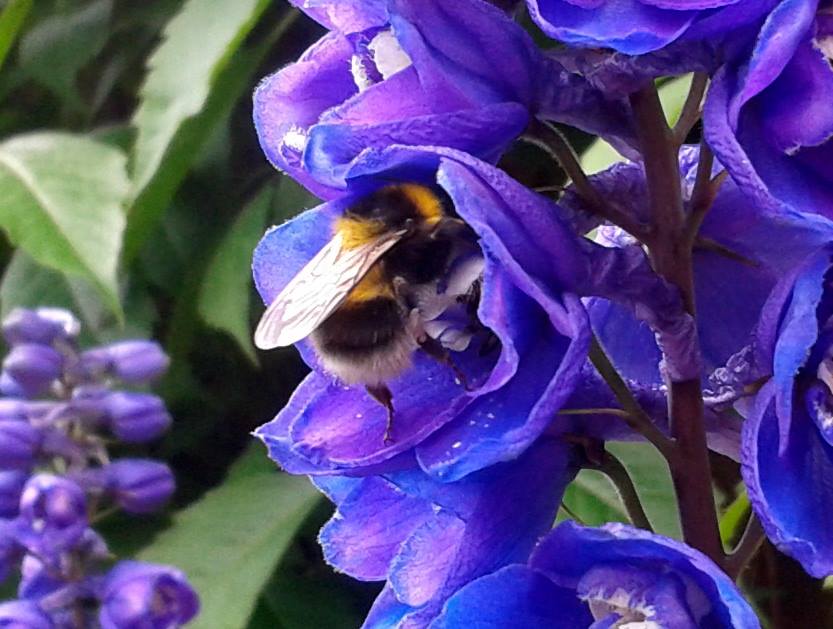
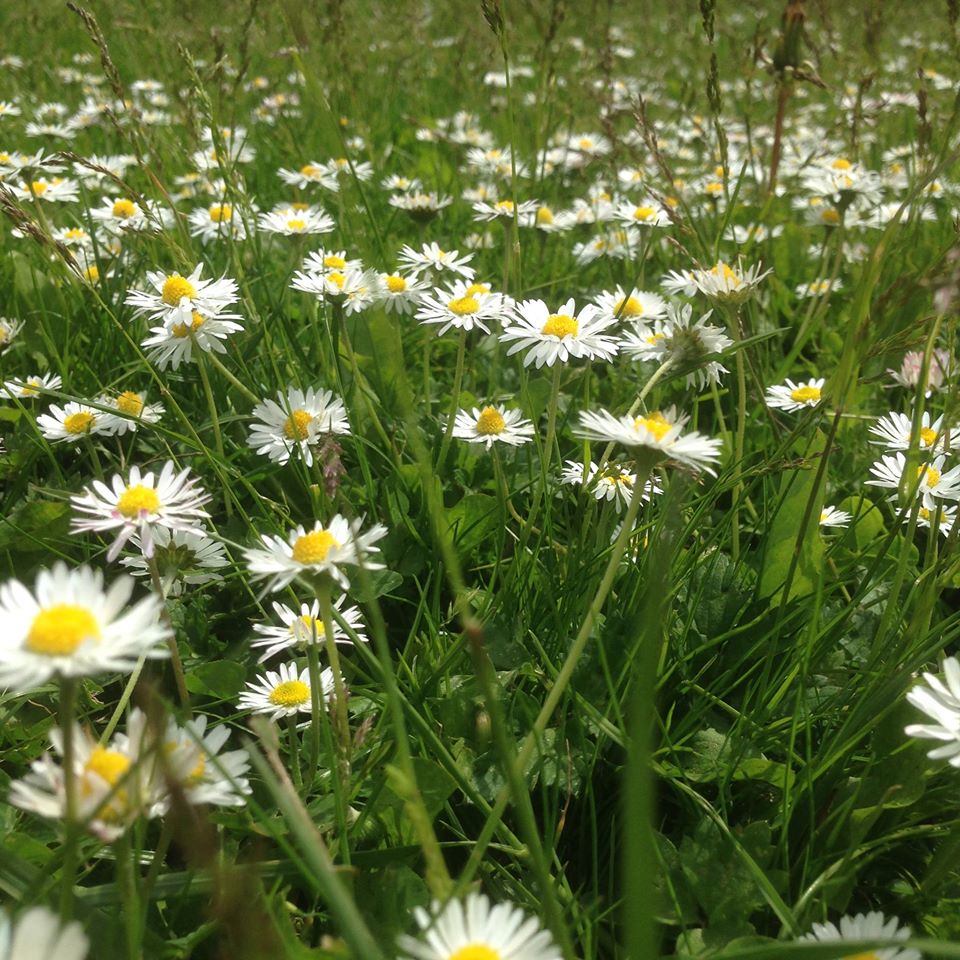
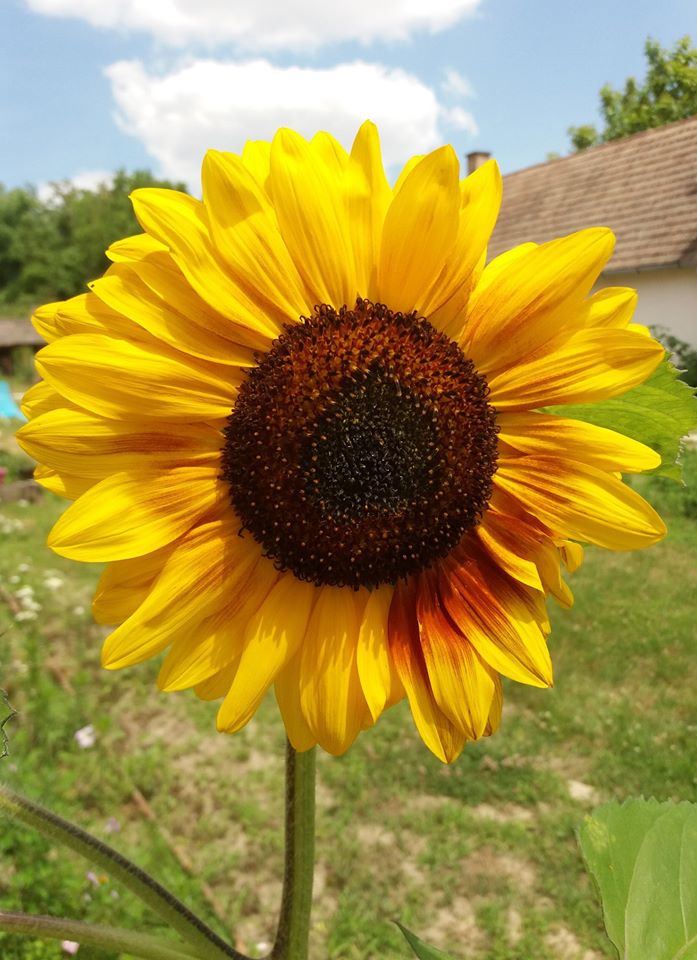
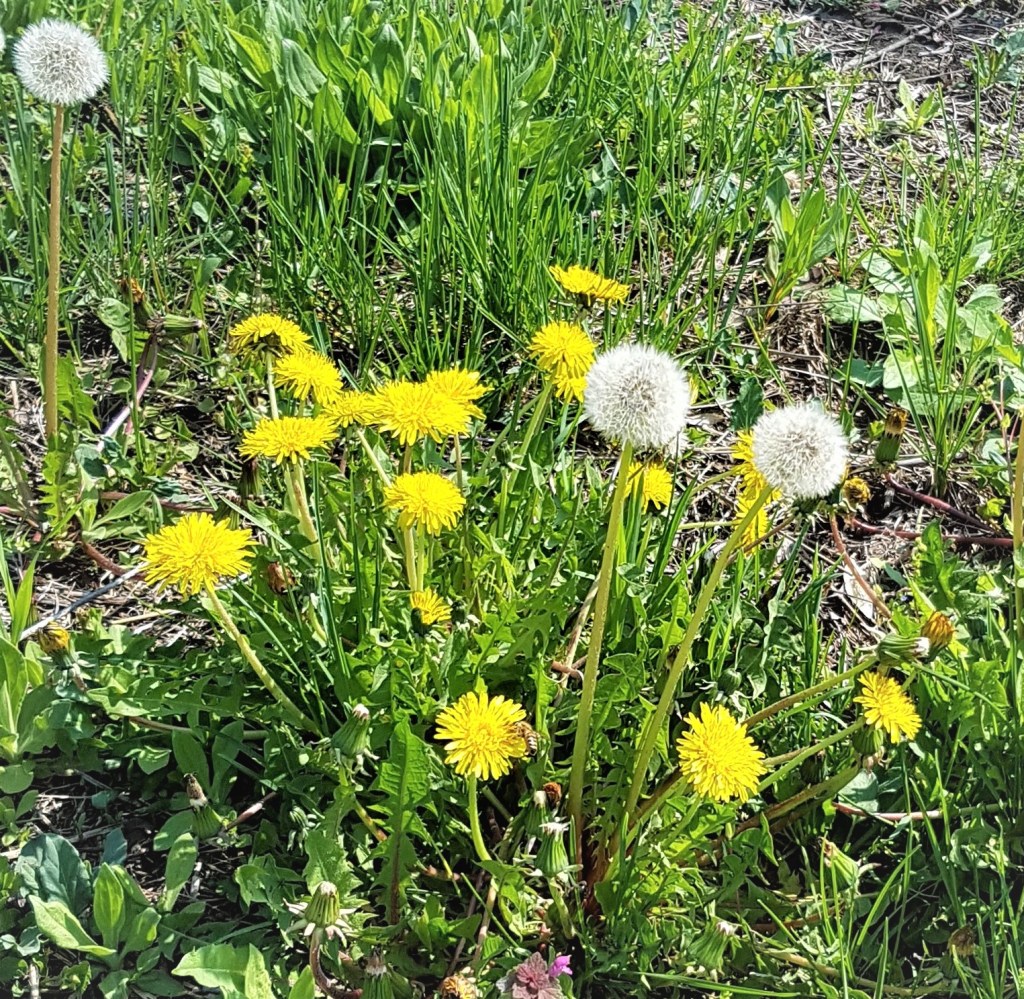
We can all do our part to support the dwindling population by providing abundant food sources for them in our gardens. Plant flowers with blooms to encourage them to visit. Different blooms provide different tasting honey. Cherry blossoms, sunflowers, daisies and even dandelions are bees’ best friends.

In Hungary the most famous honey is Acacia Honey taken from the white blossoms of the Acacia tree. Hungary’s unique climate and huge expanses of Acacia forests enable bees to produce a clear pure honey. It has a high sugar content so it does not crystalize, unlike other types of honey, it retains its liquid form for years. 75% of it is exported worldwide.

It is common to see beehives dotted around the forests of Hungary as beekeeping is a popular and profitable industry.

Bee hives are protected with plastic during the winter months.

The Hungarians have even dedicated a day to the beekeepers named St Ambrose Day which falls on 7th December. On 7th December, beekeepers carefully look through their beehives to make sure that their bee colonies are doing ok. People believe that there will be more honey if the bees are carefully looked after on this particular day. On 7th December, traditionally, people drink hot tea with honey, and a lot of families make gingerbread or other Christmas cookies on this day.
Categories
Everyday Life in Hungary

March Walking Trails around Kisszékely

Every month I take a leisurely walk with my camera exploring mother nature’s changing scenery. This month I took one of the many nature trails around our village.

Translation: Nature Trail, Blackthorn Boulevard
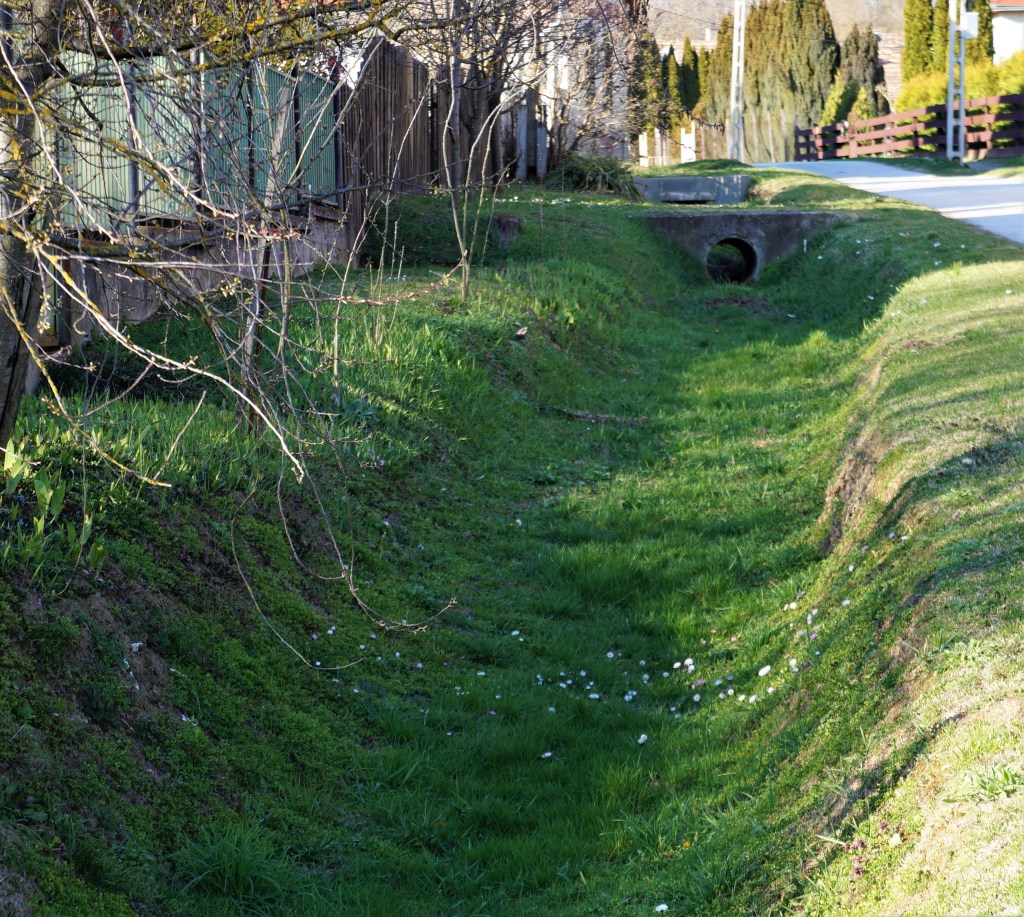
The currently dry stream waterbed running down the hill under little bridges that provide access to homes.
Masses of fir cones just waiting to be collected. They smell wonderful burnt on the BBQ.
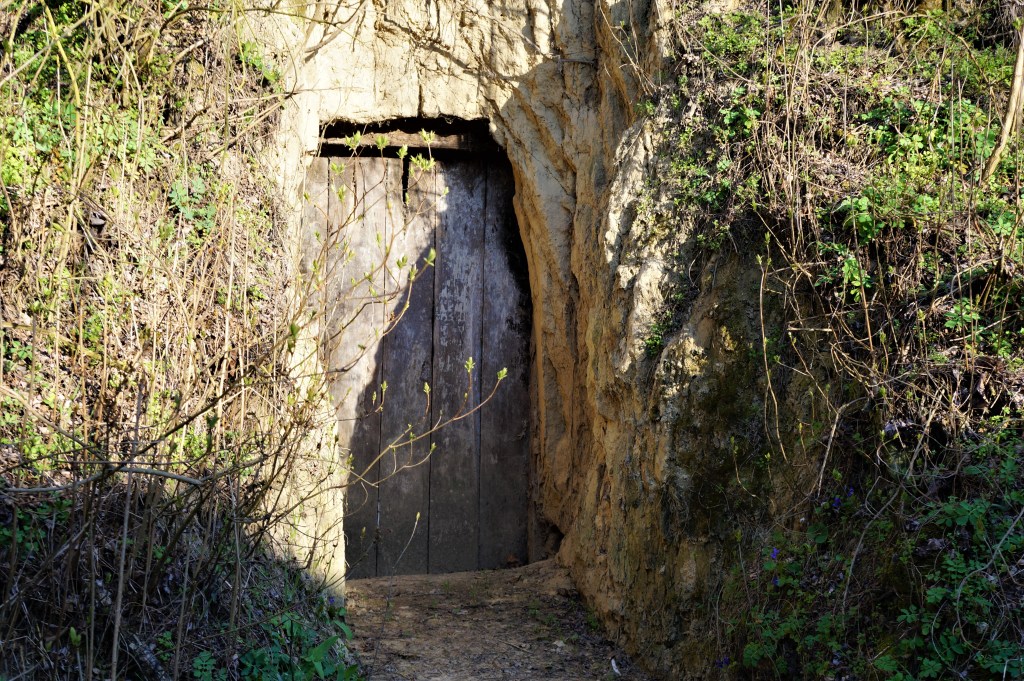
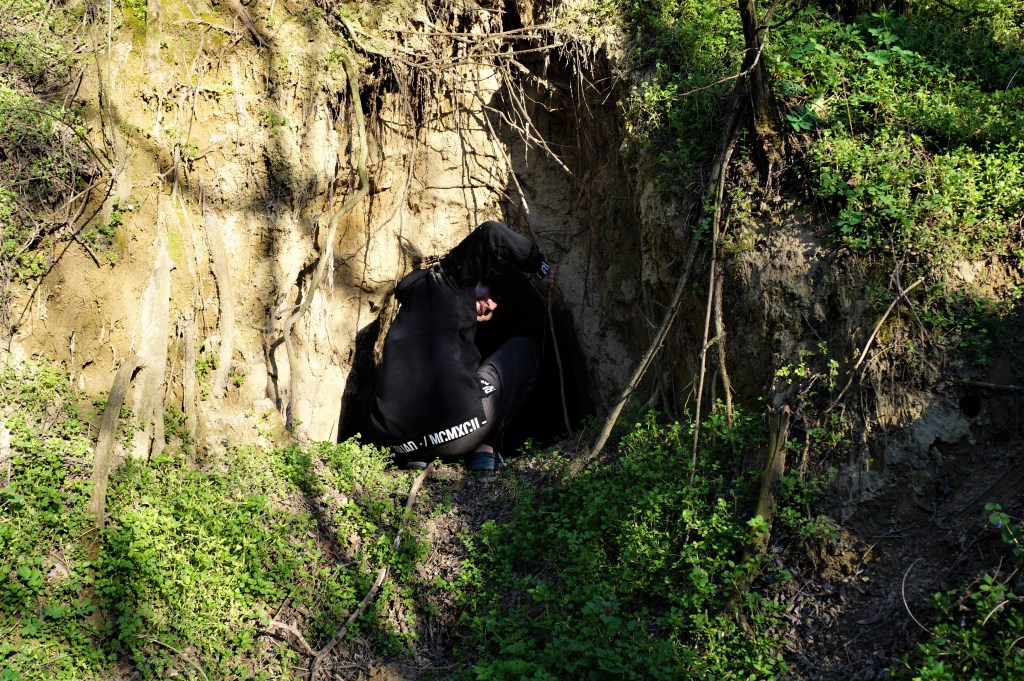
In the cliffside, these little doors kept appearing. I assume they are cellars or storage rooms.
Another doorway requiring closer inspection. Could it be the home of a Hobbit?
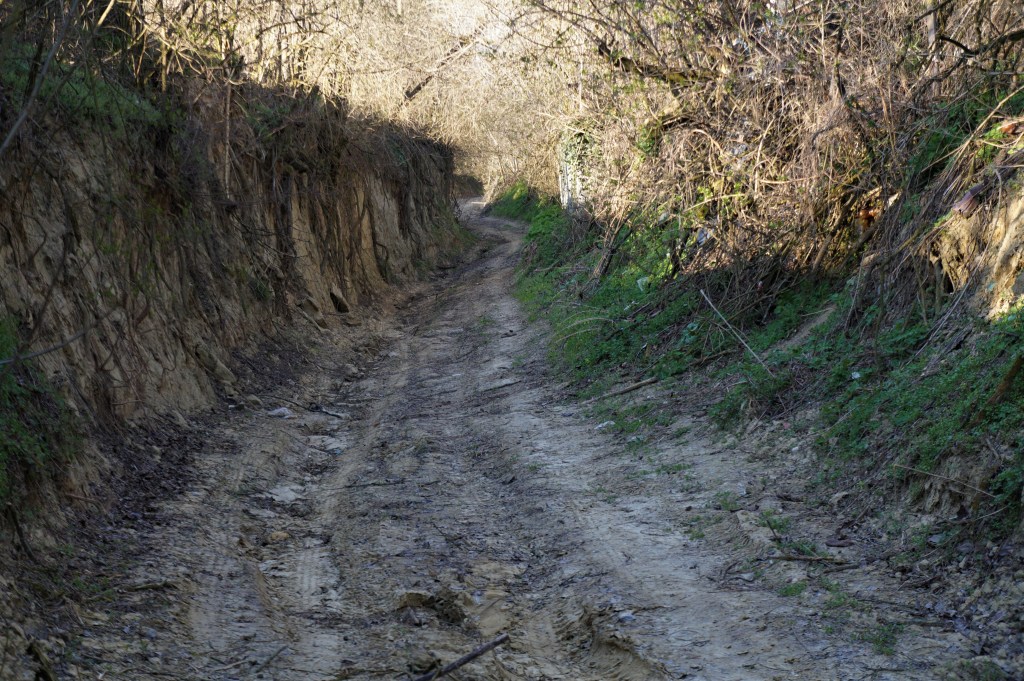
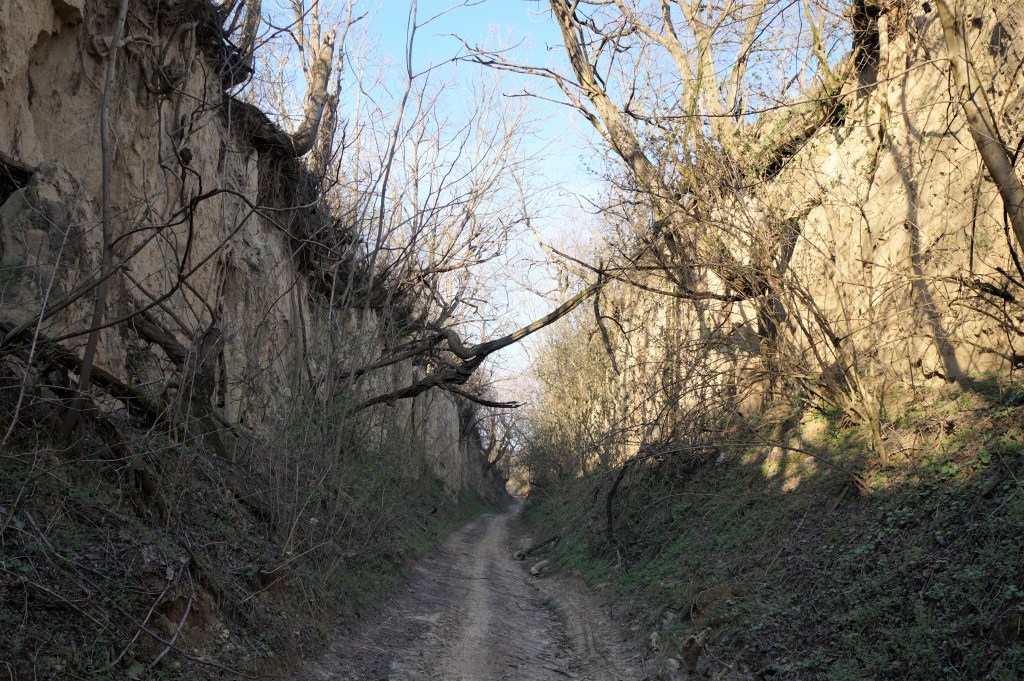
Continuing up and up the trail, all we could hear were the birds singing.
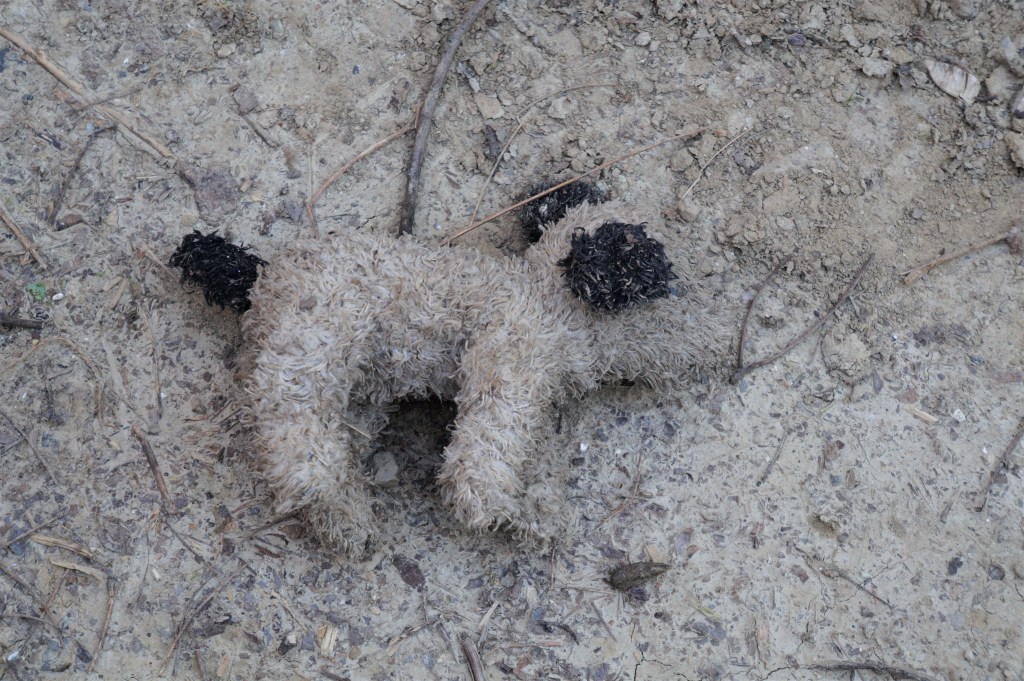
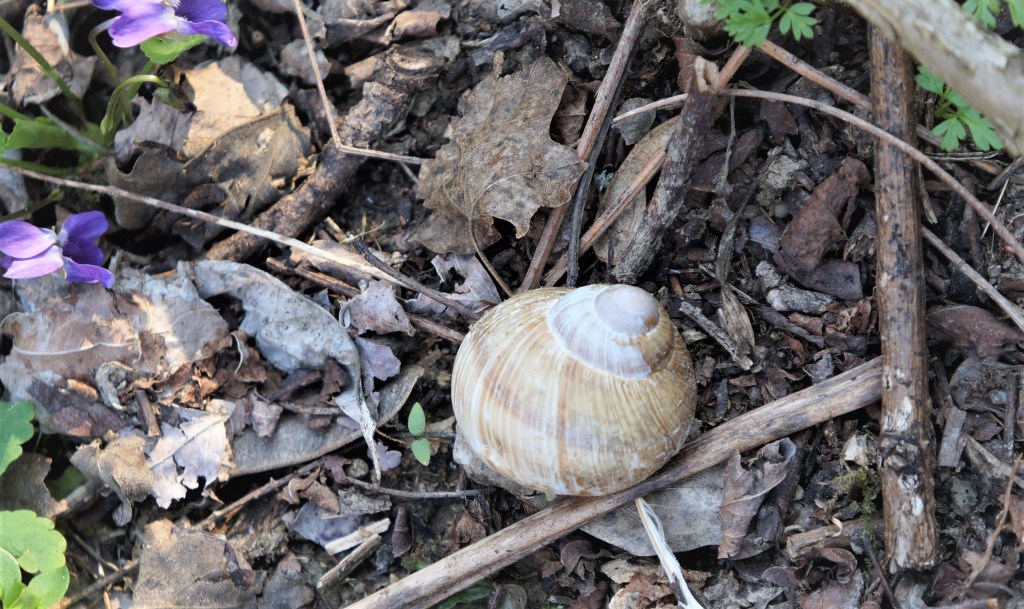
We found this little chap, sad and abandoned. Raphael adopted and named him Marshall!
A useful information board detailing our route and items of interest. I will be translating it on our return but for now, we just looked at the pictures.
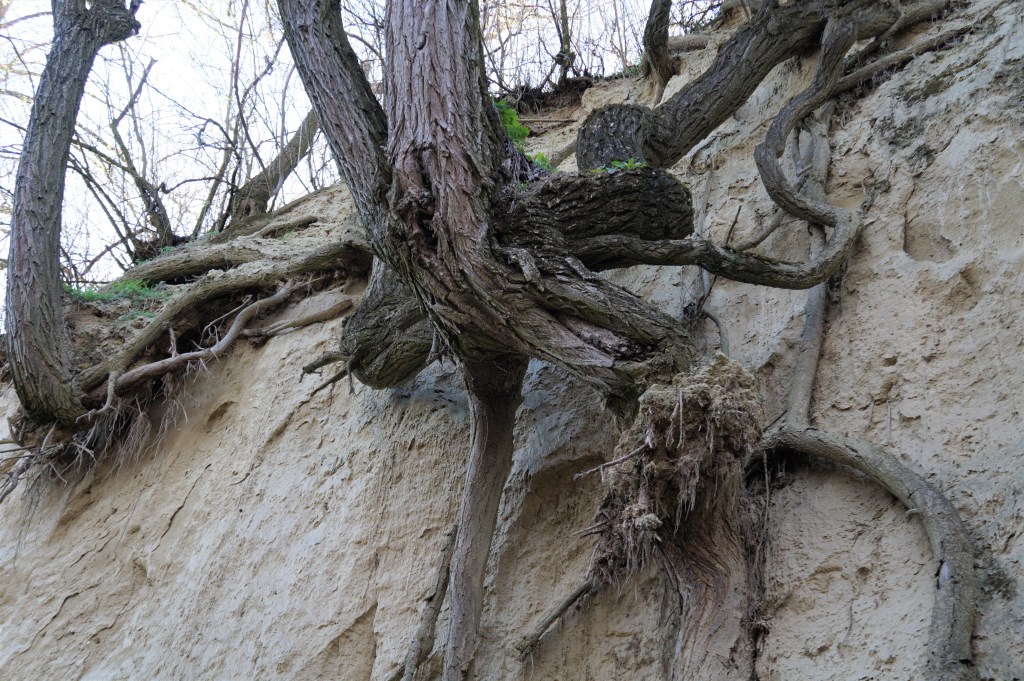
Precarious trees have fallen over giving a rather spooky feel.
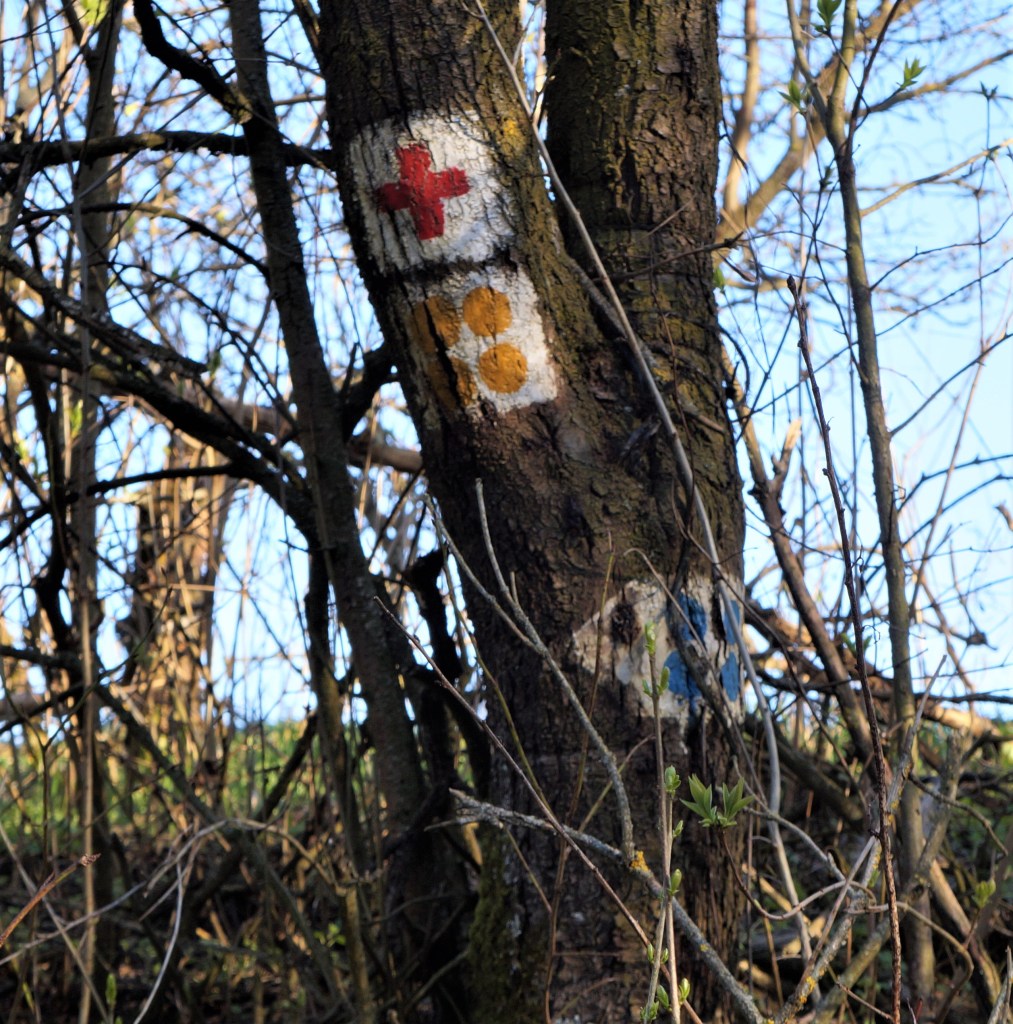
Reassuringly we came across a ‘sign’, we were going in the right direction.
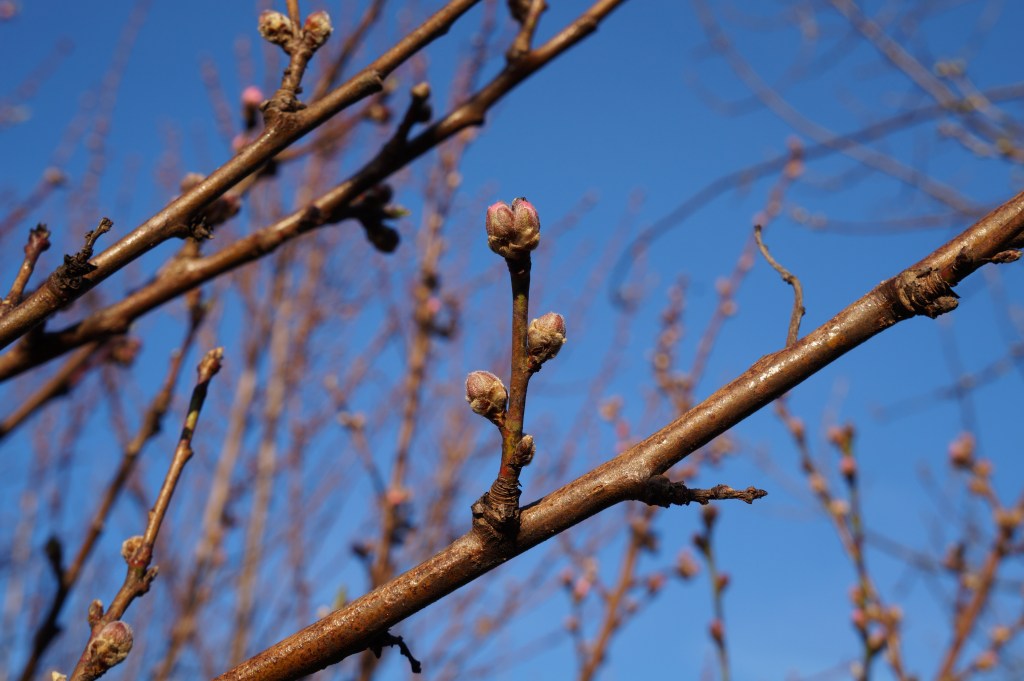
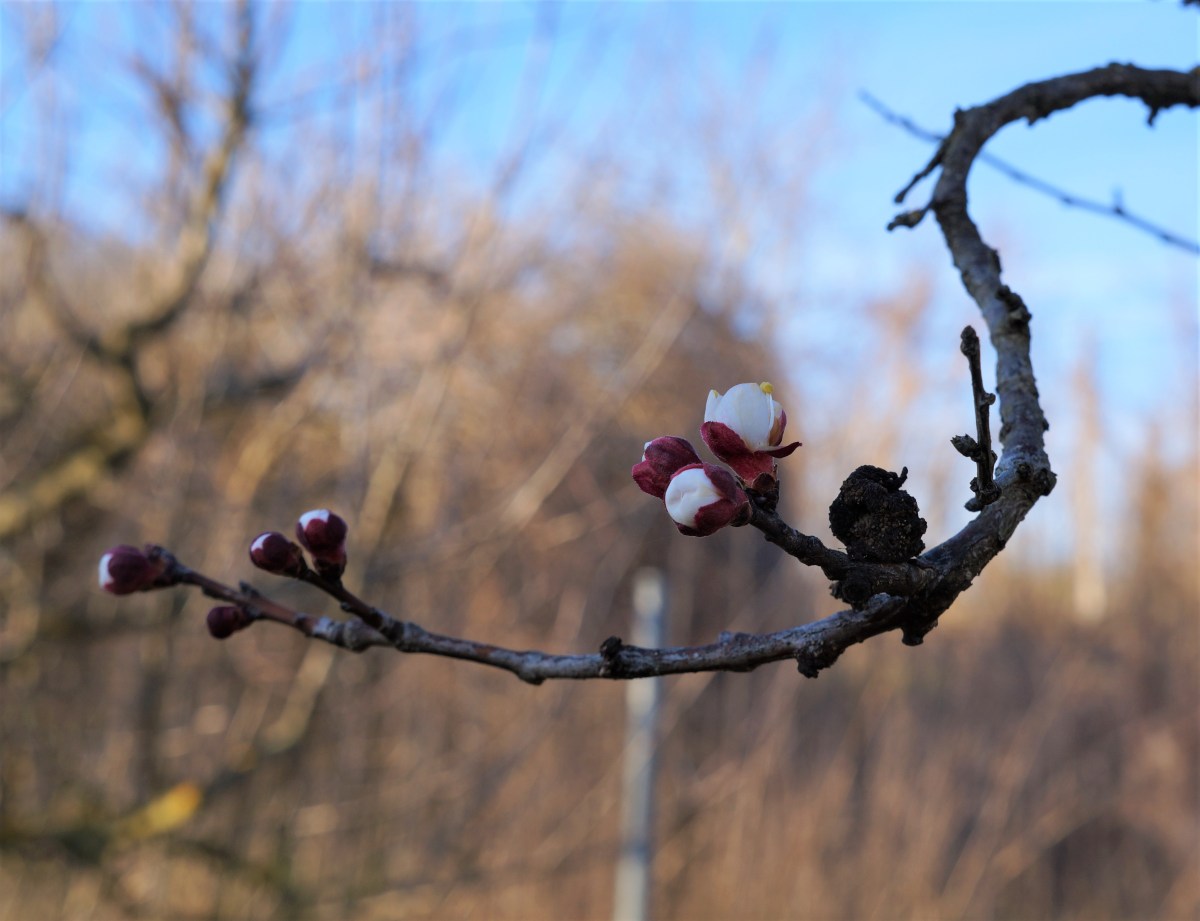
The sunshine has brought the tiny blossoms of the fruit trees out.
The village has plenty of these water pumps dotted around the verges for anyone to use.
On our way back home the only traffic to be seen….tractors!
Categories
Everyday Life in Hungary

Our Village Church in Rural Hungary

The most common religion in Hungary is Catholicism. More than 54% of the total population consider themselves to be Catholics. Most of them belong to the Latin rite, and about 3% of the population identified themselves as Greek Catholics. Religious minorities in Hungary are Orthodox Christians, Muslims and Jews.

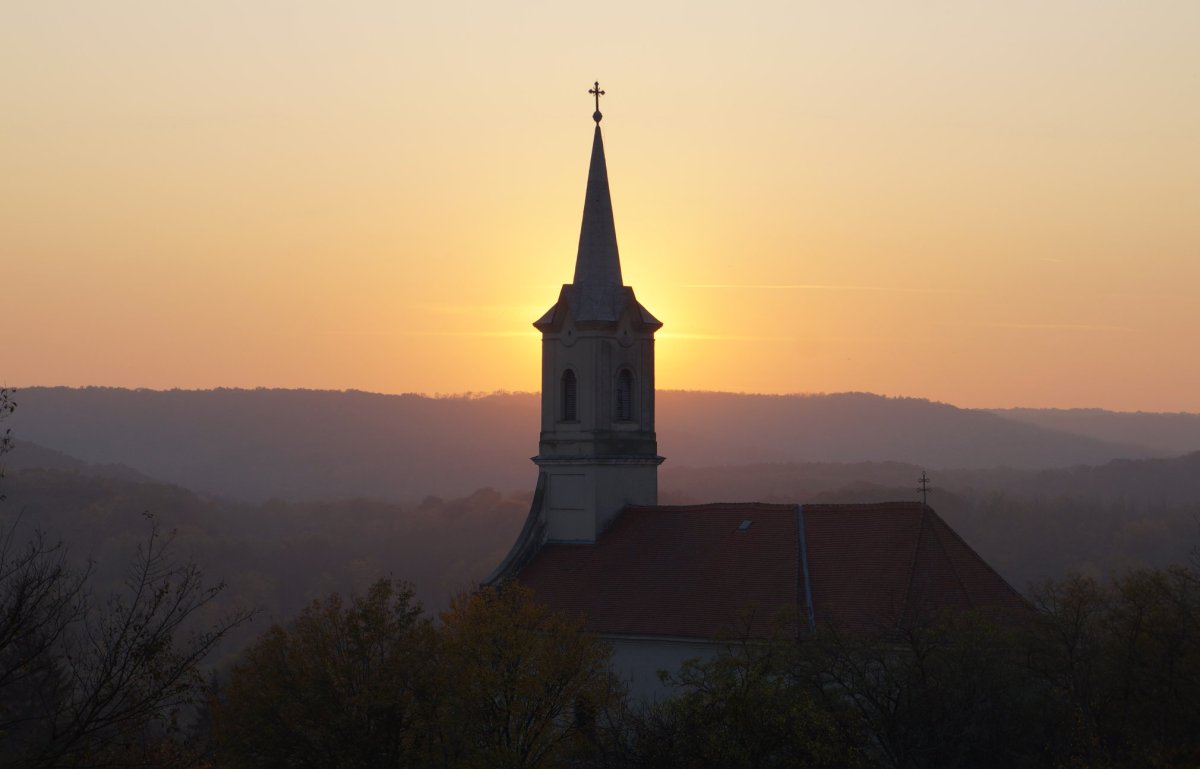
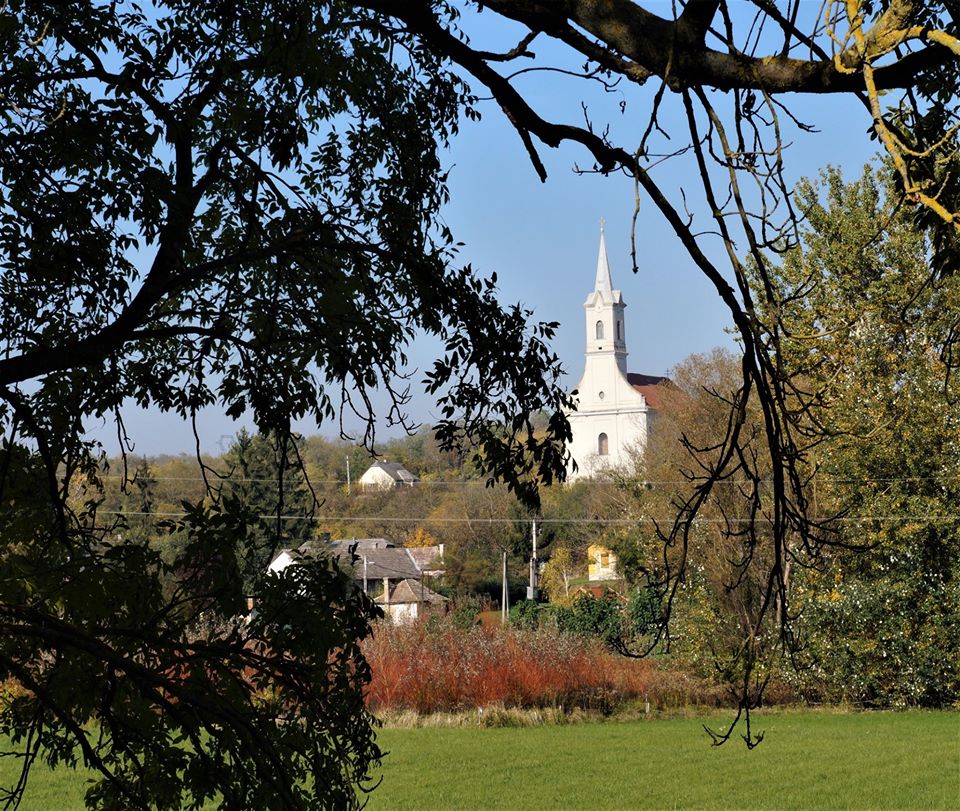
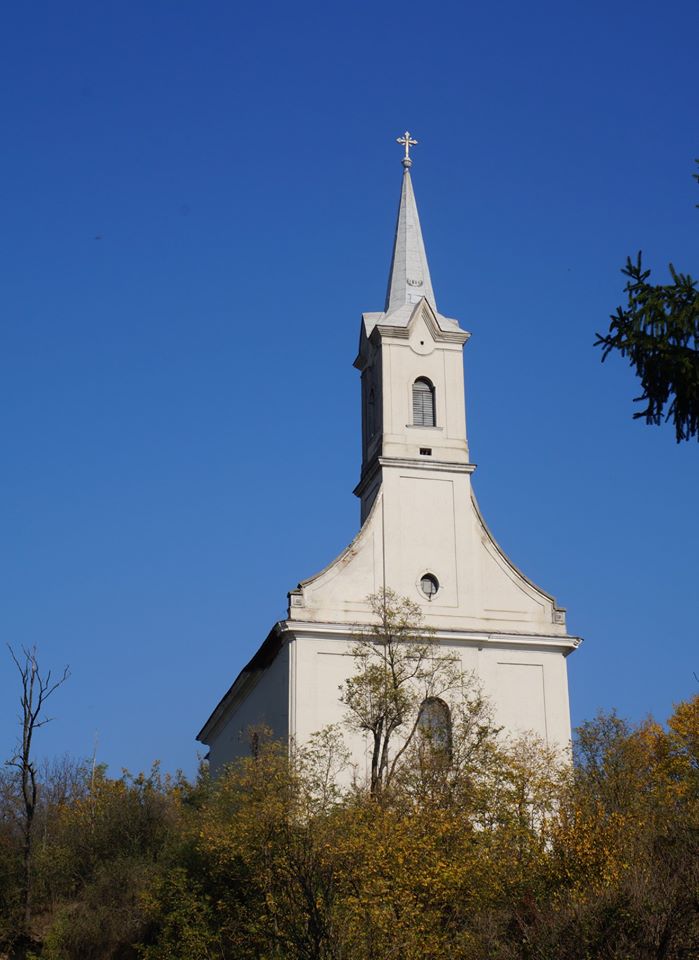
Our village church is a neo-classical Roman Catholic church built in 1823.  It sits on top of a hill overlooking the surrounding countryside.

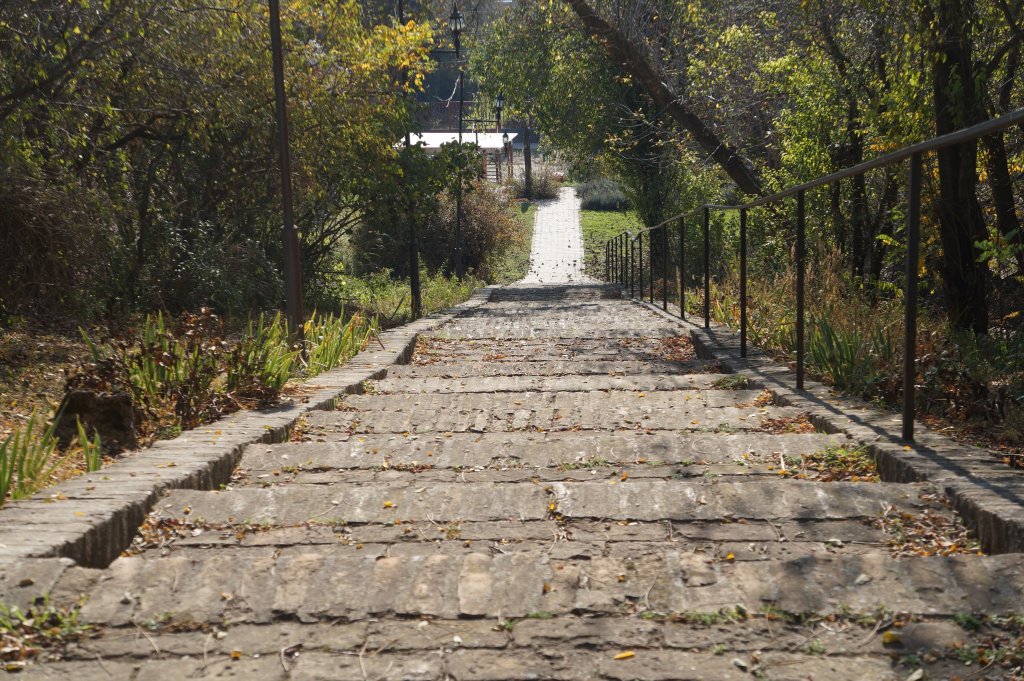
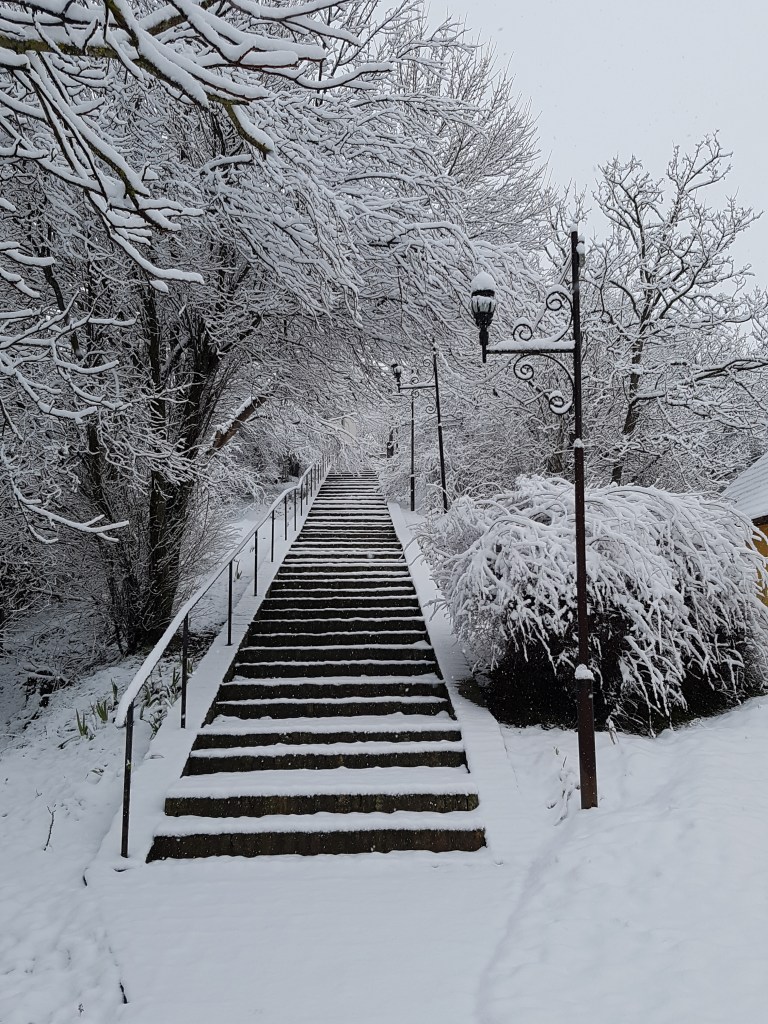
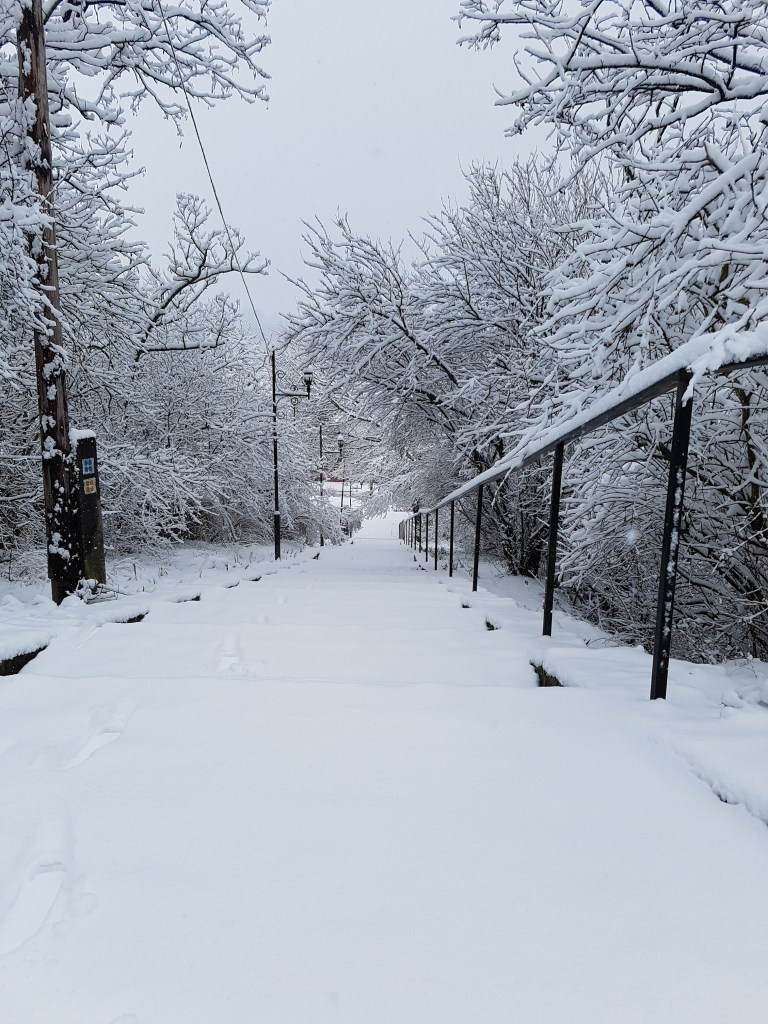
The church is reached by climbing many steps, particularly precarious in the winter months.

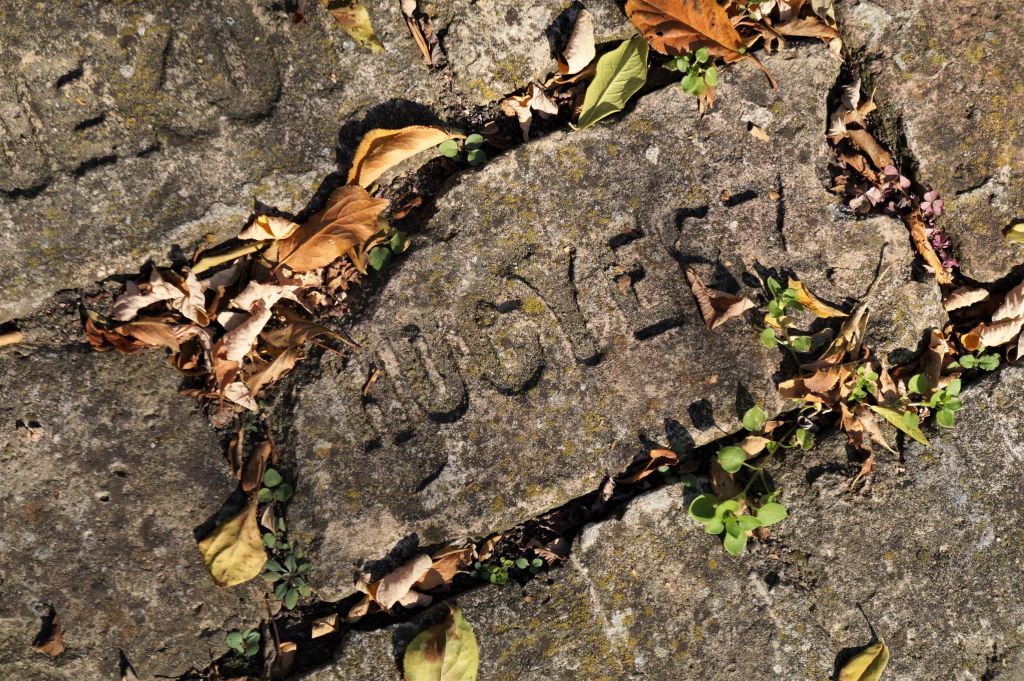
Interestingly there are engraved memorial stones set in the steps.

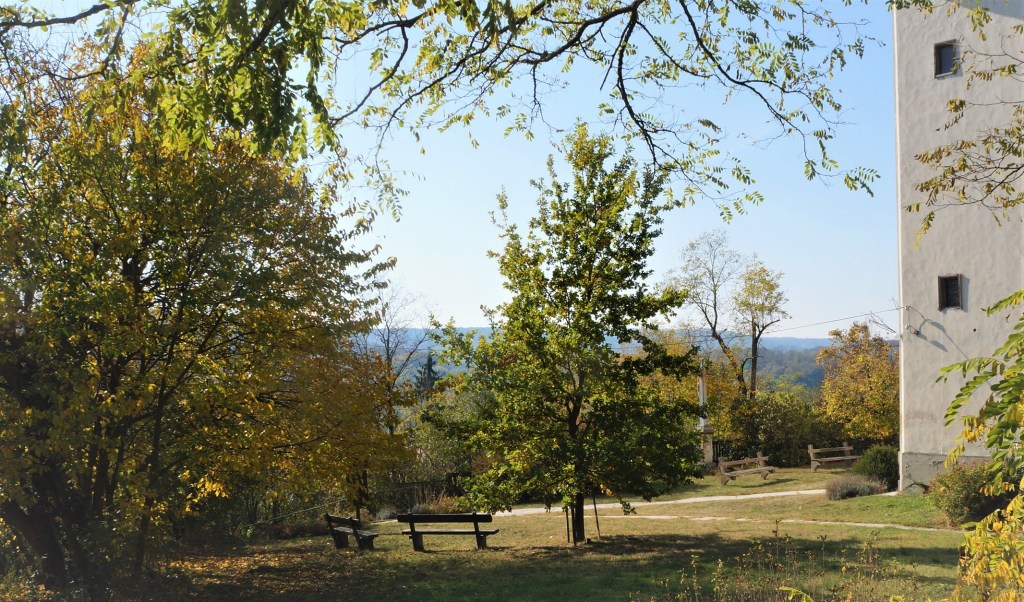
There are beautiful landscaped gardens around the church with places for worshippers to sit and appreciate the surrounding nature.

Categories
Everyday Life in Hungary

Revolution Day-Hungary

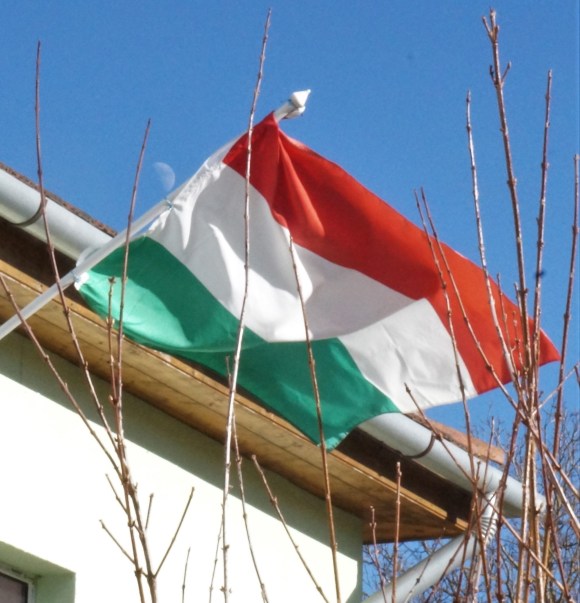
Hungary’s National Flag

Hungary has many public holidays but the most important one is today, 15th March. On 15th March, Hungarians commemorate the Revolution and the following War of Independence against the Austrian-Hapsburg rule in 1848–1849.

Sadly, all public events surrounding this important day have been cancelled due to the Coronavirus Pandemic. I was interested to know how they would normally celebrate if all was well.

The main events would have taken place in the Hungarian National Museum Gardens and in Buda Castle, Budapest. Live music, dance, art and craft fairs, military exhibitions, Hussar camps, armoury and equipment demonstrations, horse patrols and of course plenty of food stalls.

“Rise Up Magyar the Country Calls!” This line is quoted from the famous Nemzeti Dal (National Song) by poet Sándor Petőfi  (1823-1849) a prominent figure of the uprising. On 15th March in 1848, he recited the poem from the steps of the Hungarian National Museum to thousands of people. Unfortunately, he was killed in one of the last battles of the war in 1849. Every Revolution Day the National Song is recited on the national monuments and particularly on the steps of the National Museum. On the 15th March, Budapest and the rest of the country dress up in red, white and green, the national tricolours of Hungary. Many events, mostly free would have taken place to commemorate this victorious day.
Categories
Everyday Life in Hungary

Car-Booting Hungarian Style

Buying and selling at car-boot sales are a great way to get rid of unwanted possessions and sometimes bagging a super bargain.

Car boot sales in Hungary operate slightly differently from ones in England. In England, a site is set aside (sometimes local council land or sports fields) and would be sellers buy a table or a space for a car and display their goods for the visiting public. Goods are sold at low prices to attract customers and quick sales. They normally take place on a Sunday during the summer months.

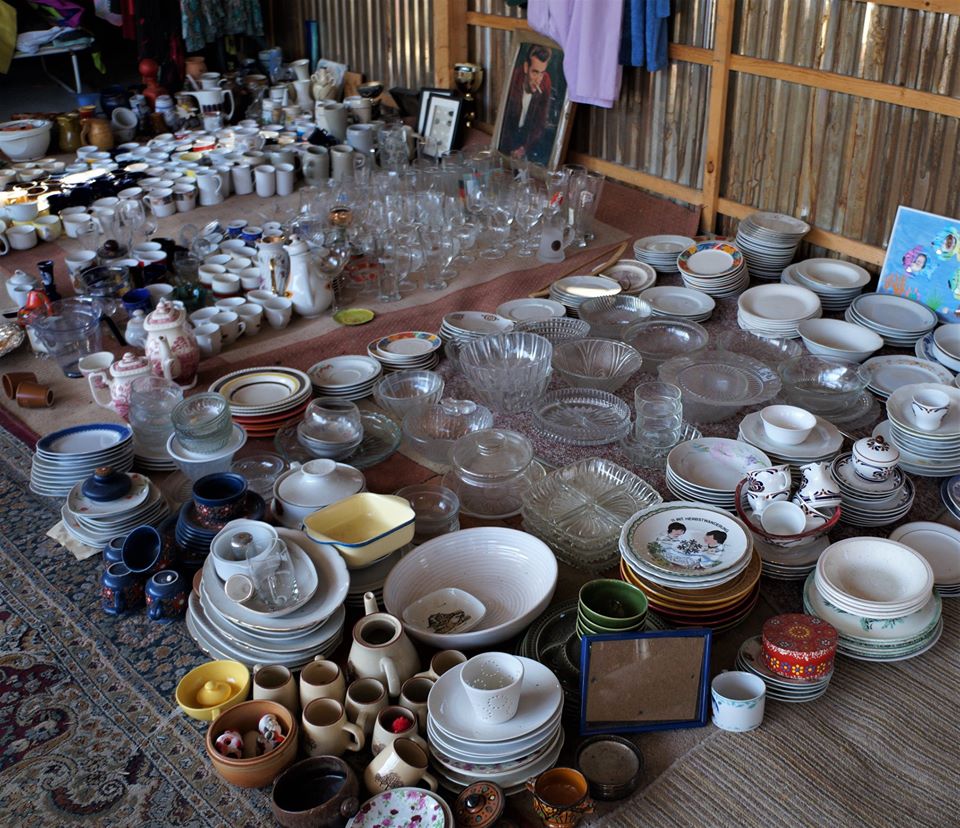
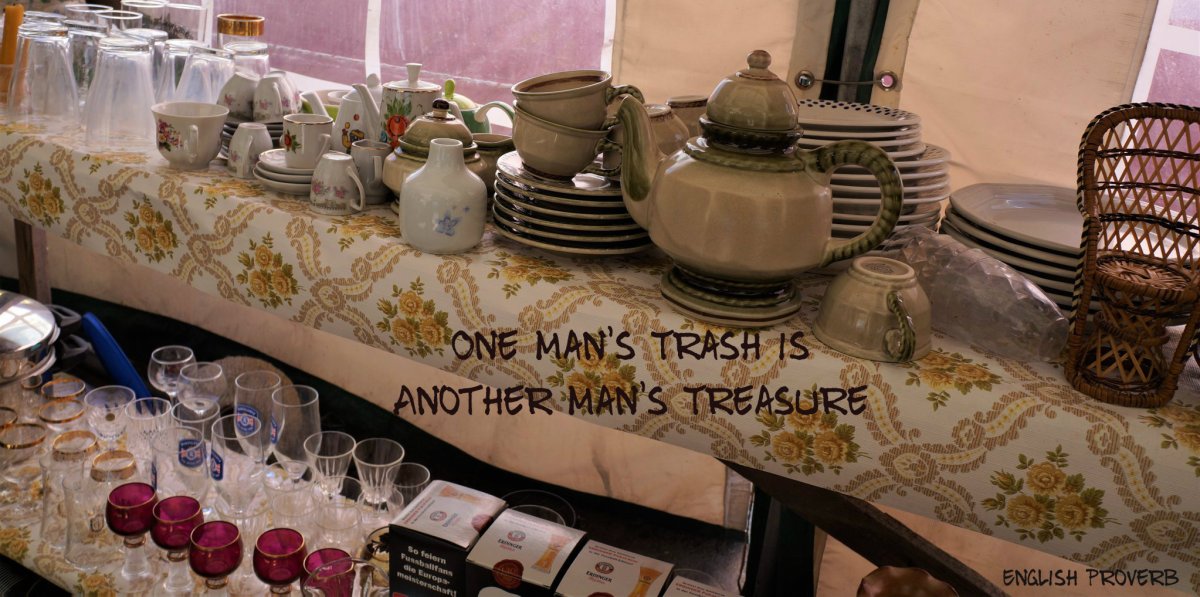
However, in Hungary large canvas tents are erected in front gardens of houses in the little villages dotted all over the country with anything and everything for sale. They are usually held at the weekends whatever the weather and throughout the year. You wander the streets, enter people’s gardens and browse the mountains of goods for sale. Nothing is priced and often goods are in very poor condition. If you have the time and the patience you can pick up some great bargains.

For us, visiting our local car boot sale for the first time was a little daunting as haggling, which is expected, in a foreign language is quite hard. Hungarians have a reputation for not throwing ANYTHING away and reusing and repurposing numerous things. The country is poor and everyone is wanting to make a little extra cash. I was fascinated with all the vintage looking items that filled the numerous shelves and tables. Unfortunately for us, it was pretty obvious that we were foreigners and prices seemed unusually high. We got lucky and managed to buy a reasonably priced BBQ but only after much haggling from Eric who at least had a little language and was not afraid to say no thank you when necessary. I enjoyed our visit but would take a Hungarian with me next time to help with translation.