Category: Everyday Life in Hungary
Categories
My Camera – My Day

21st May – Friday
Today my dear husband agreed to take me out and about with my camera and be my chauffeur and my second eye. Sometimes he sees things I miss and he is good at pointing out different options for the same shot. I love a second opinion. We don’t always agree!
Today our route took us from Enying > Deg > Simontornya. 50 km.
I could not resist a stop in front of these glorious poppy fields, truly enchanting.
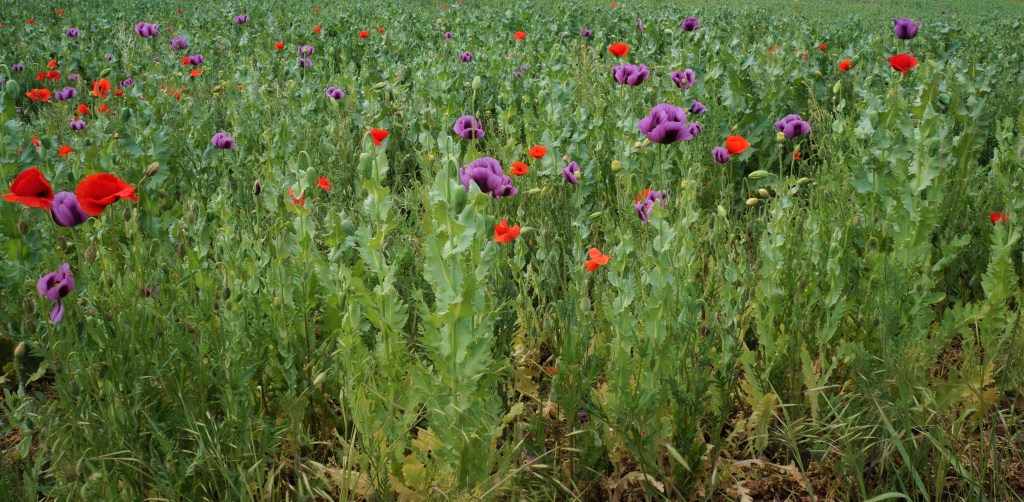
My thoughts: I always associate poppies with red, I had never seen such a beautiful field of red AND purple poppies before… just wow! My creative eye wanted to see a sea of flowers, some with a horizon and some without. It helped getting down low.
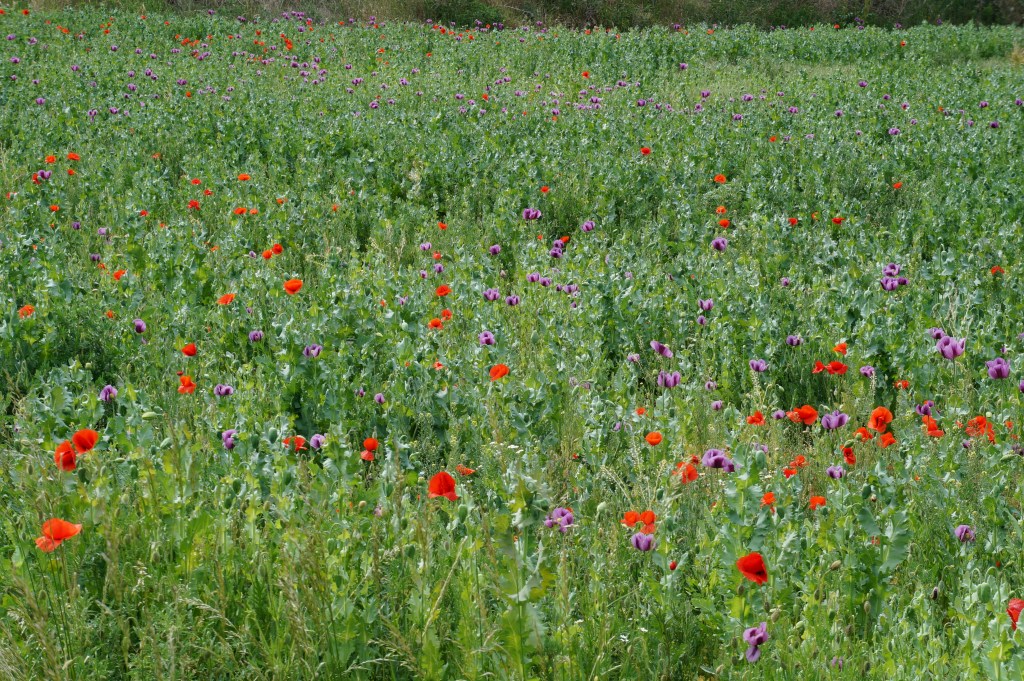
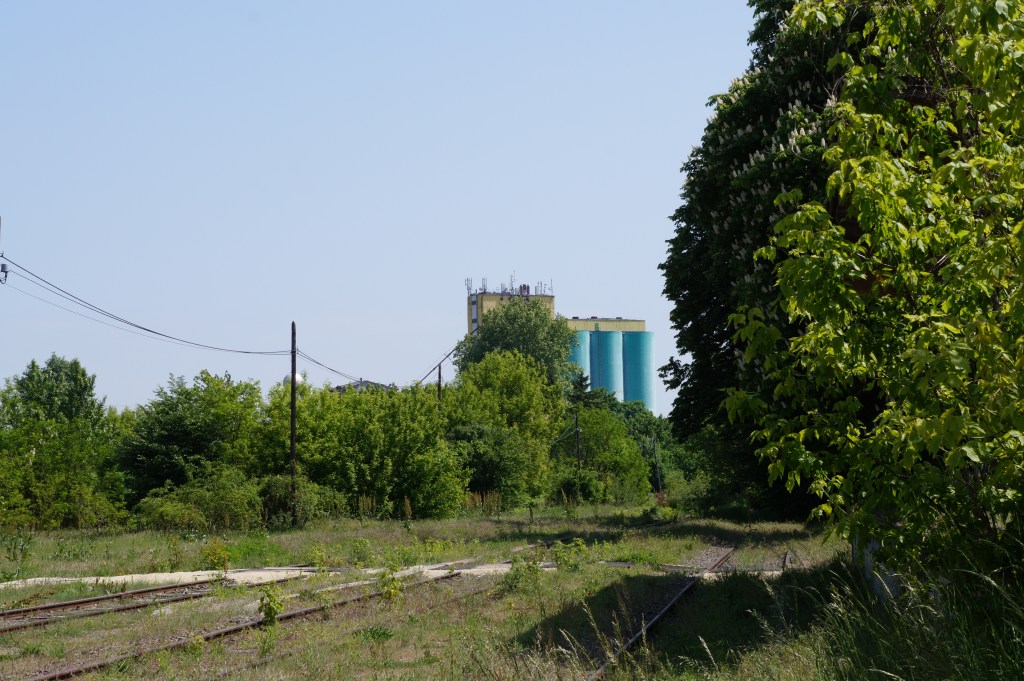
Leaving the poppy fields behind we headed towards a small town, Enying. Our business completed we set off to find a secluded spot to eat our well chosen Lidl bought picnic! We found our spot and enjoyed the view of an abandoned railway line. We ate freshly baked crusty bread with cheese and hams. It was really rather peaceful.
My thoughts: These lone poppies popped in the centre of the shot giving central focus, and the houses on the right gave extra interest. I wanted to create a quiet harmonious scene, I think I have achieved that.

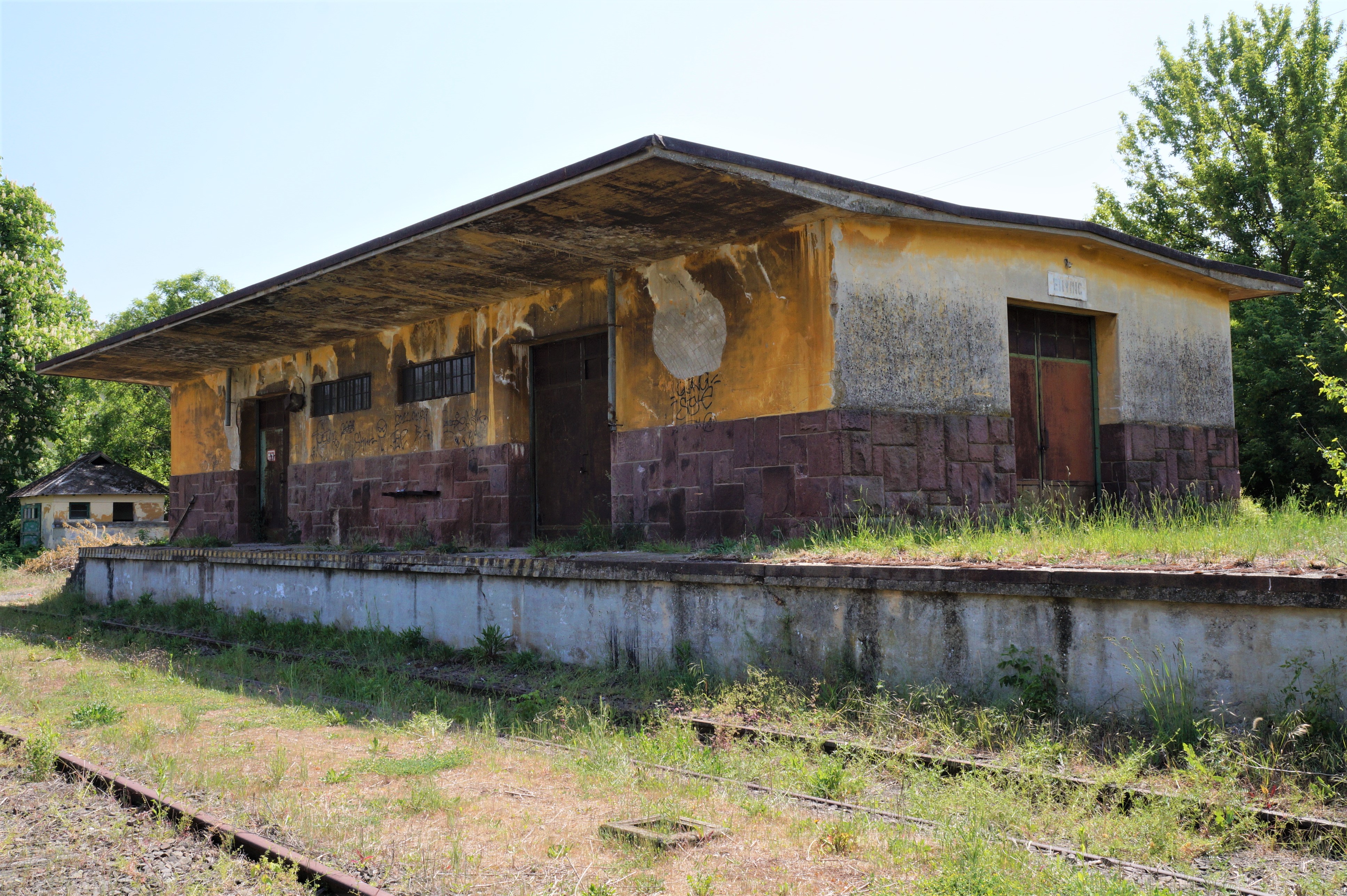
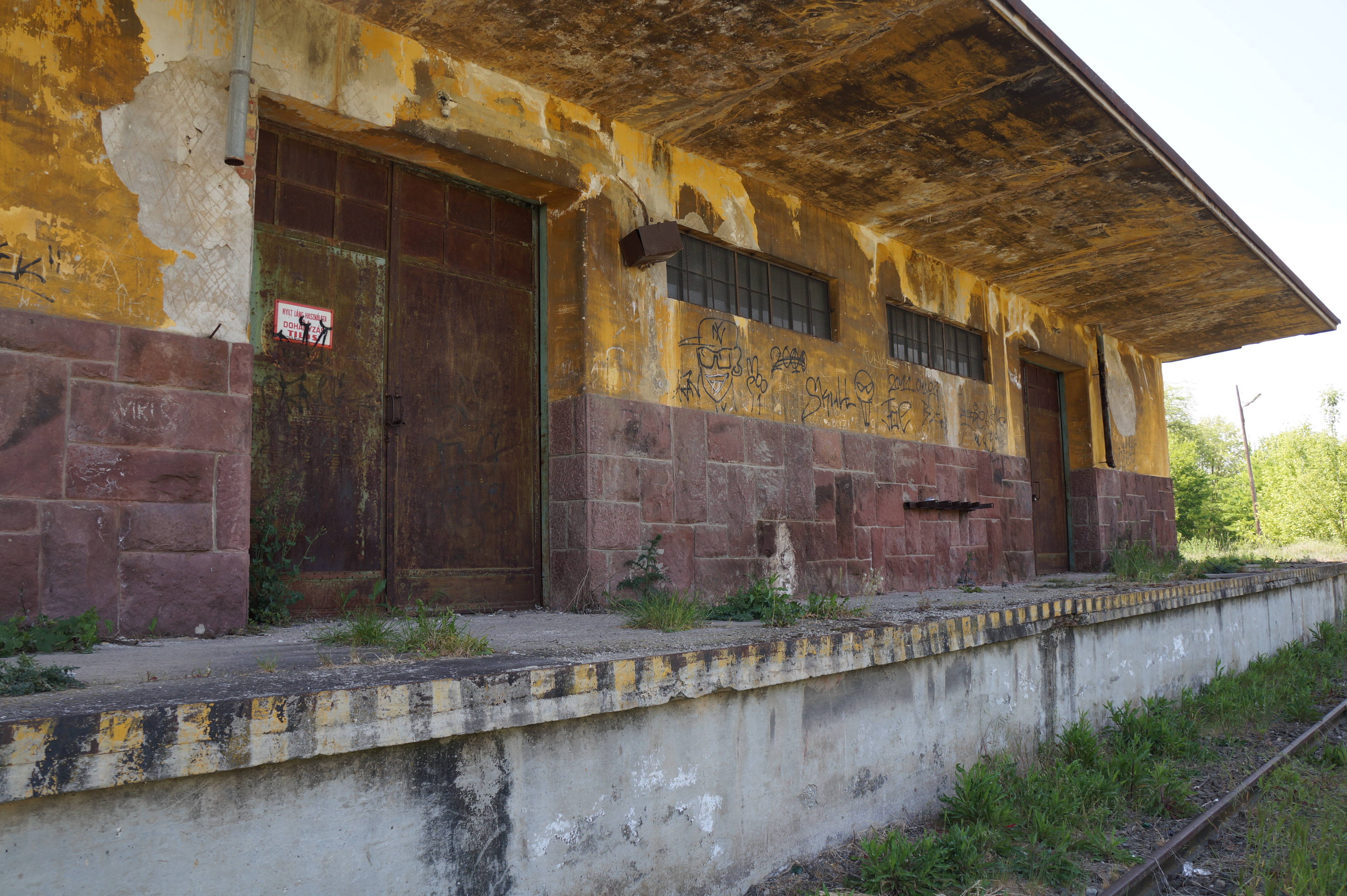
I ventured along the old railway line and came across the old station.
My thoughts: I love to take photos of abandoned buildings, there is a certain beauty in creating an atmospheric shot. My eye was caught by the multi-coloured frontage caused by years of decay. The splashes of green drew my eye, especially along the platform.
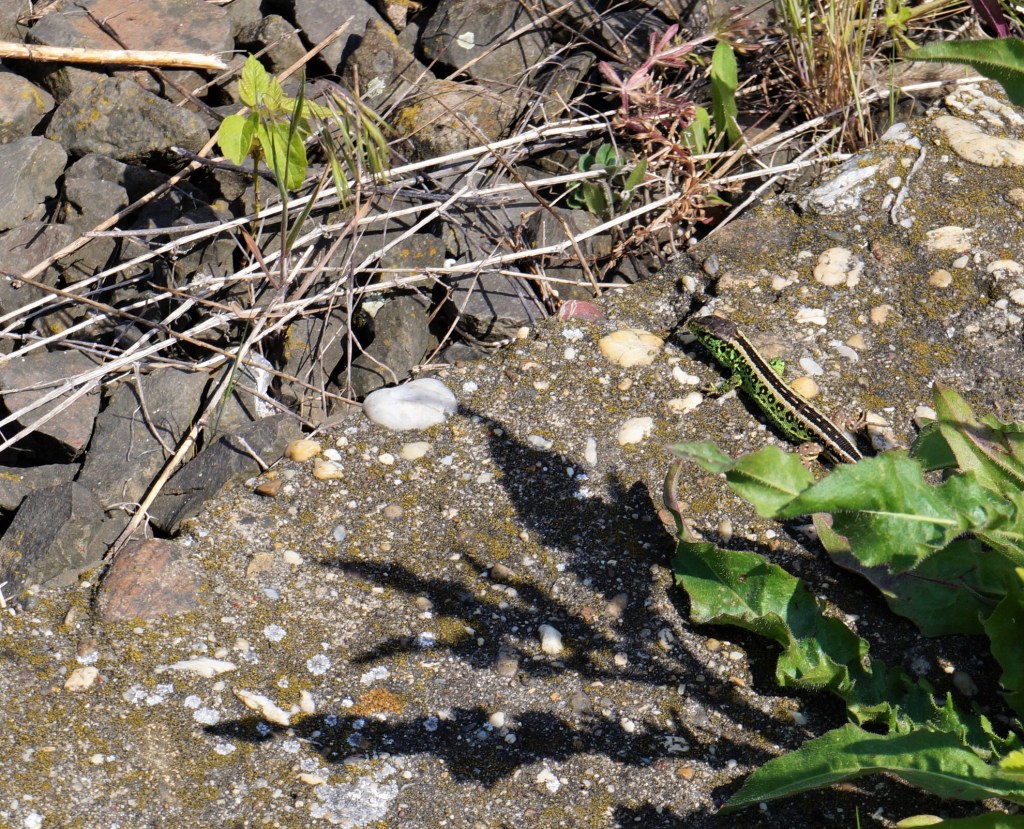
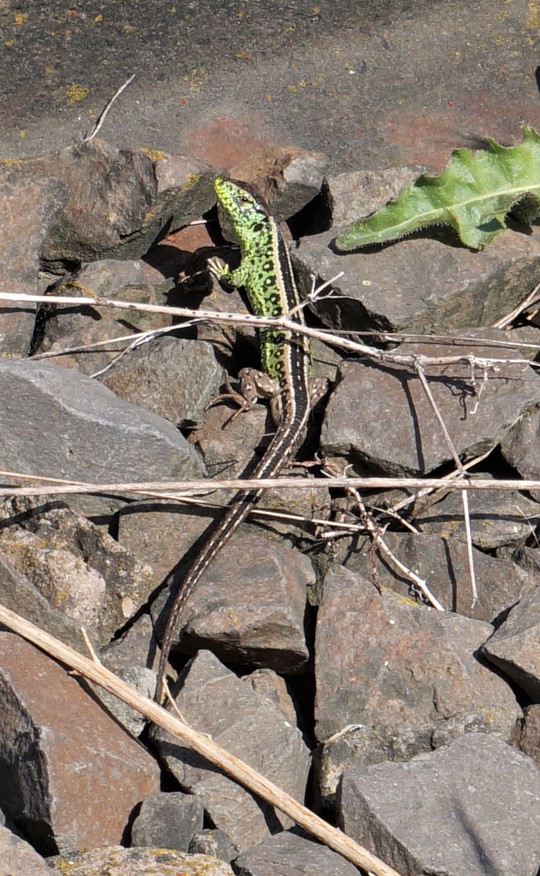
Walking along the rail tracks, I was greeted by a very colourful lizard… darting off here and there and blending in so well with his surroundings. I needed to look carefully through my camera to get a shot of him.
We drove around to the front of the Blue Old Mill and next door saw this row of terraced houses…
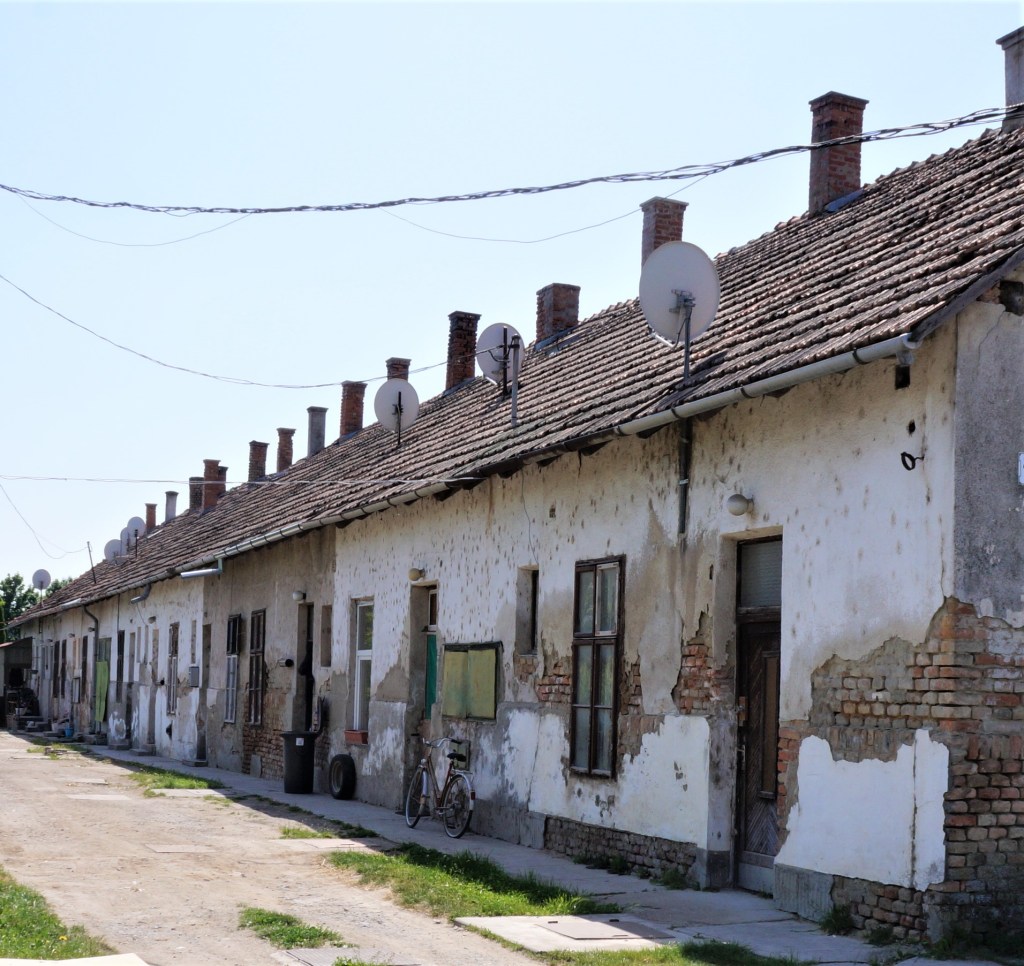
I suspect the workers from the Mill lived there when it was operational. Terraced housing is not common in Hungary, usually homes are detached properties. These houses are still occupied with the addition of several satellite dishes!
My thoughts: I wondered when the mill had closed. I would love to explore inside for more shots. I see they have built a brand new mill next door very modern and sleek. The Blue Mill is a recognisable blot on the landscape, a landmark for Enying. Its enormous blue building set amongst sprawling flat fields means you can see it for miles around.
Dég
Leaving the Old Blue Mill behind in Enying we continued our trip to the quaint little village of Dég, a picturesque area with a few hidden surprises.


You can find more of my photos of storks in Hungary here: https://makinghungaryhome.wordpress.com/2020/04/19/spring-is-here-and-so-are-hungarys-storks/
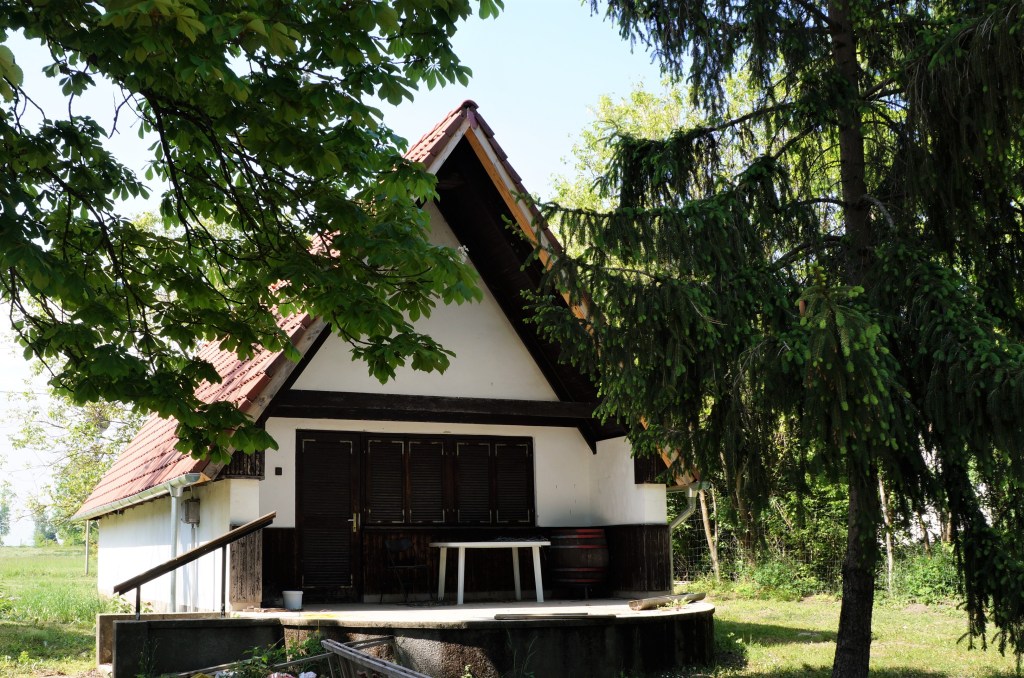
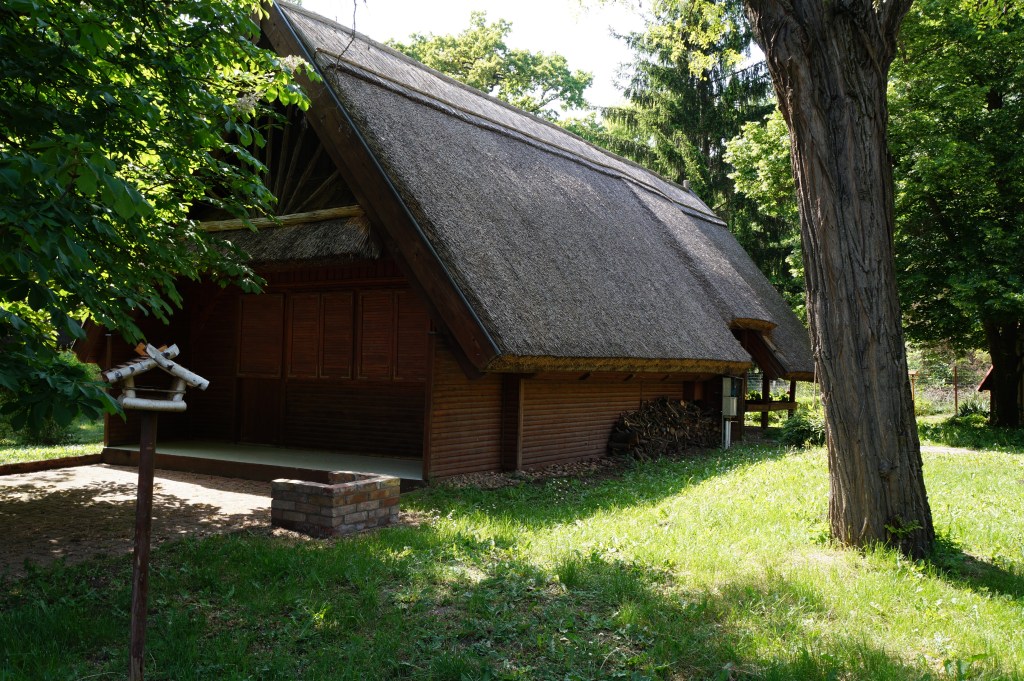
We took a winding road through the forest and came across a settlement of houses, I’m not sure if they are holiday lodges but all very quirky and unusual in their own ways.

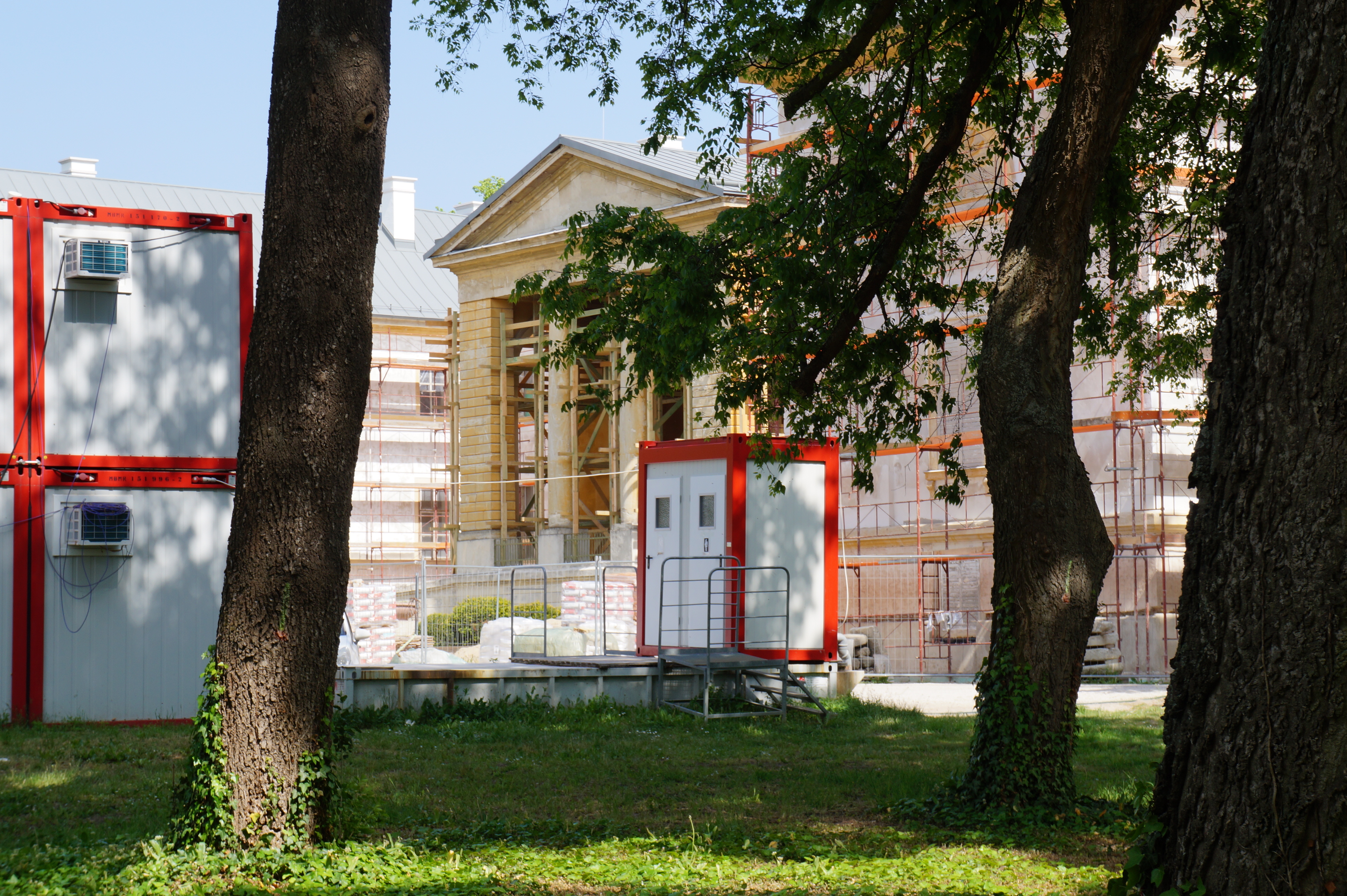
Travelling on past the settlement of houses and through the trees this extremely large and majestic building appeared! On further research, I discovered this stunning building is a museum called Festetics Castle and is currently being renovated. The gardens surrounding the grounds are open freely to the public. You can park your car at the end of the drive and then walk around the stunning landscaped grounds. We were not able to walk the grounds on this occasion but I will one day. Lots more interesting information and photos of the English gardens here: http://undiscoveredhungary.com/places/454-festetics-castle-and-park-deg
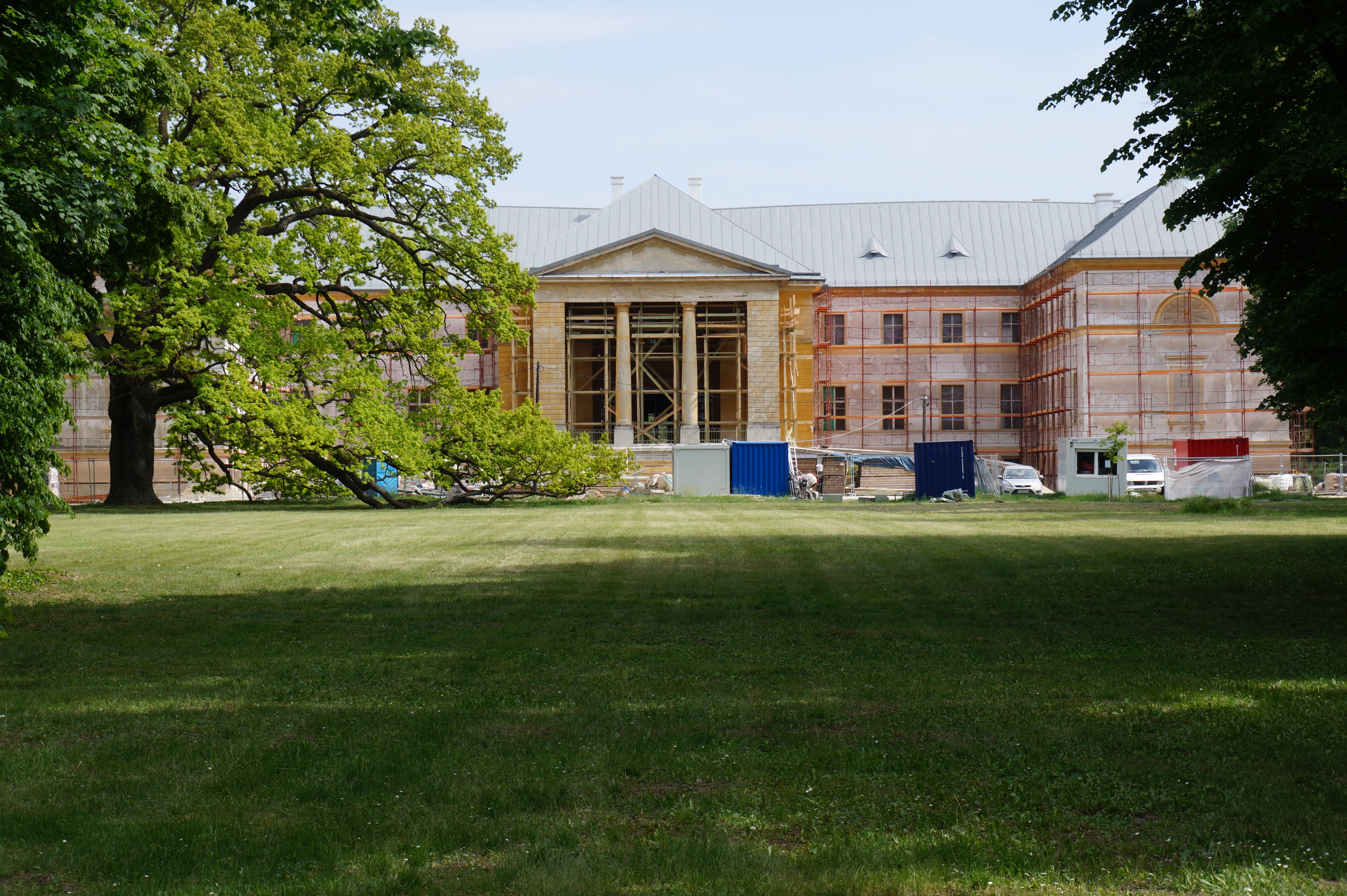
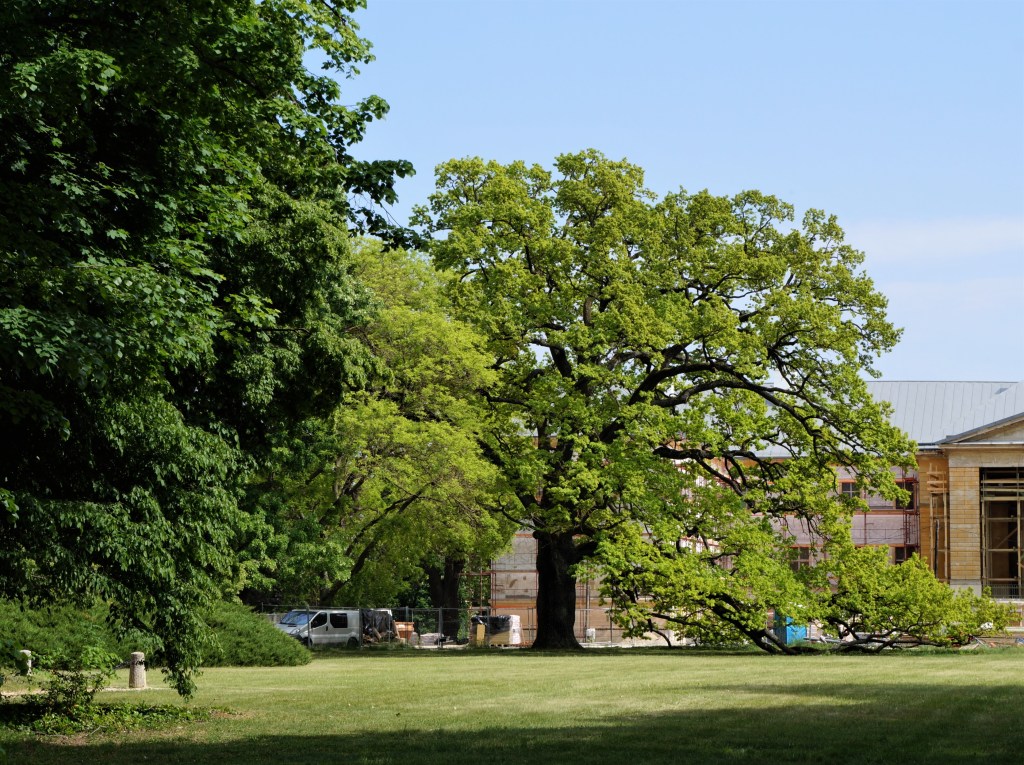
Majesty Tree
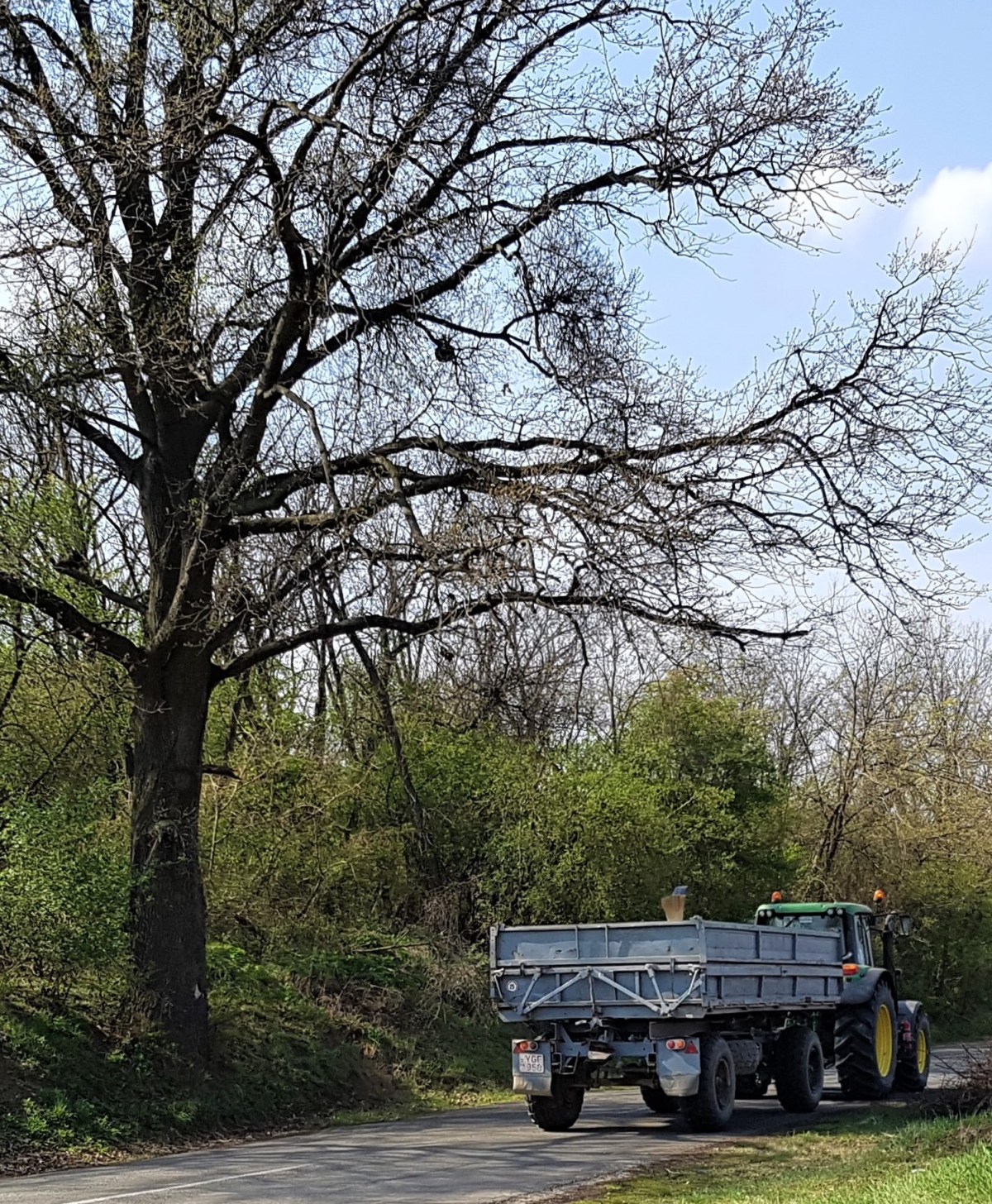
We could not pass this magnificent tree without stopping to admire it bowing to the ground with its extended branches. So graceful.
My thoughts: My imagination ran away with me and I could visualise the tree as an elderly gentleman as old as the tree! I also wondered what that tree had witnessed over the years whilst slowly maturing in front of this grand building.
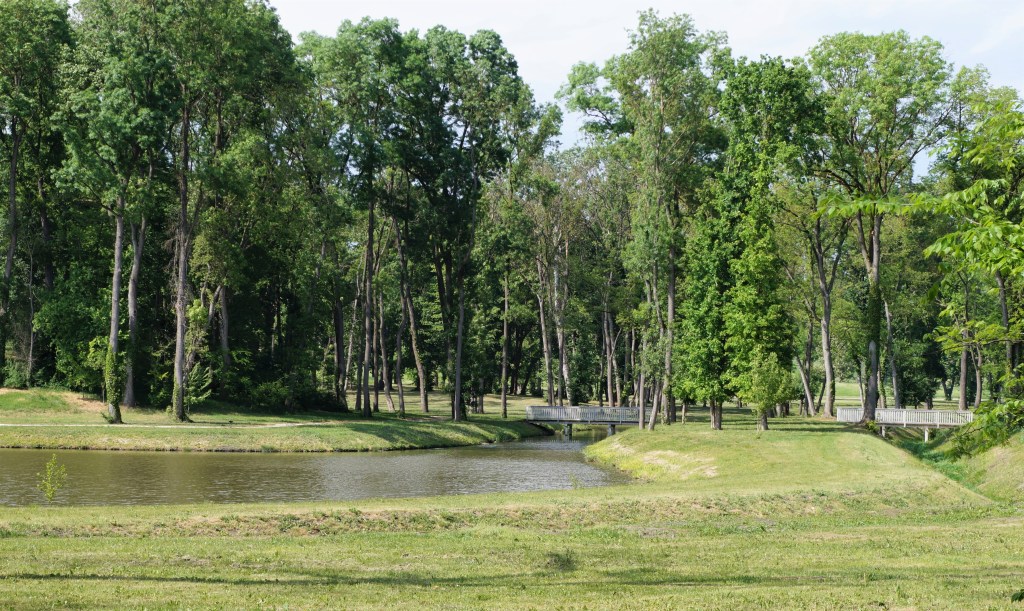
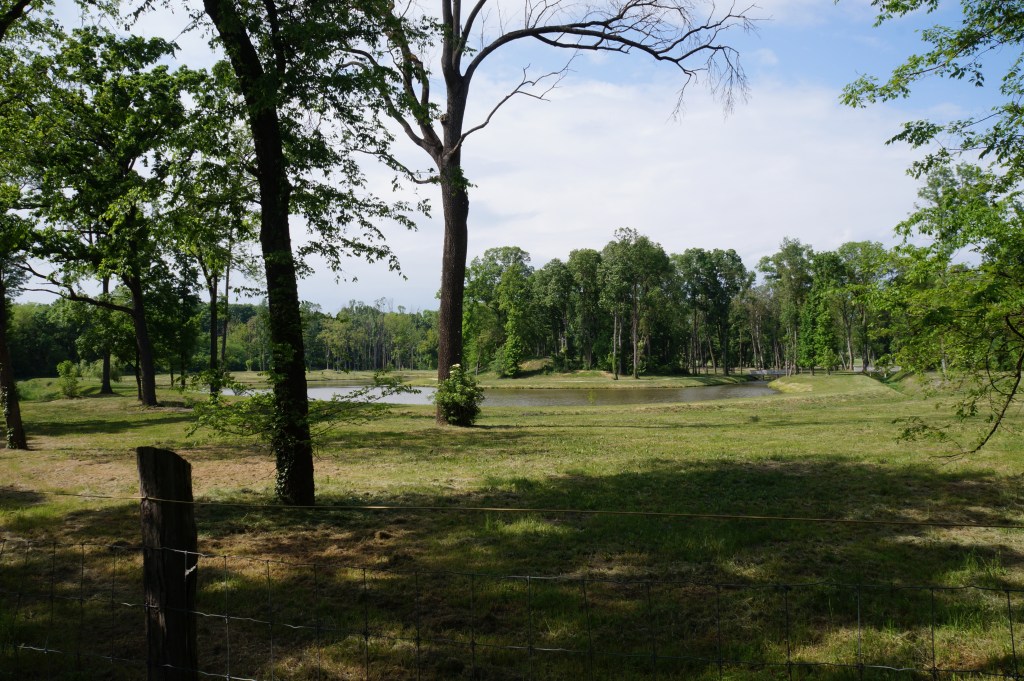
These were the shots we took from the roadside.
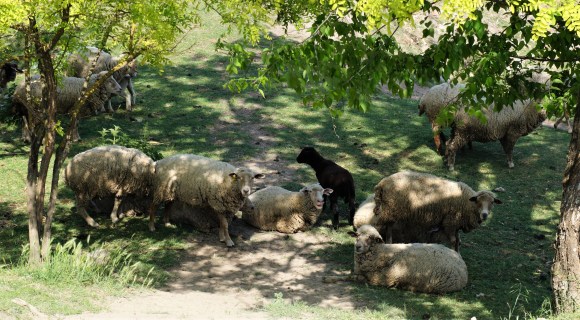
Leaving Dég, driving through the village lanes we came across lots of sheep enjoying the spring sunshine. I can’t resist animal shots, they can be so endearing, but sometimes difficult to take. Out of the car, camera at the ready… I could hear Eric making inappropriate noises towards the sheep to try and attract their attention….not too successfully!
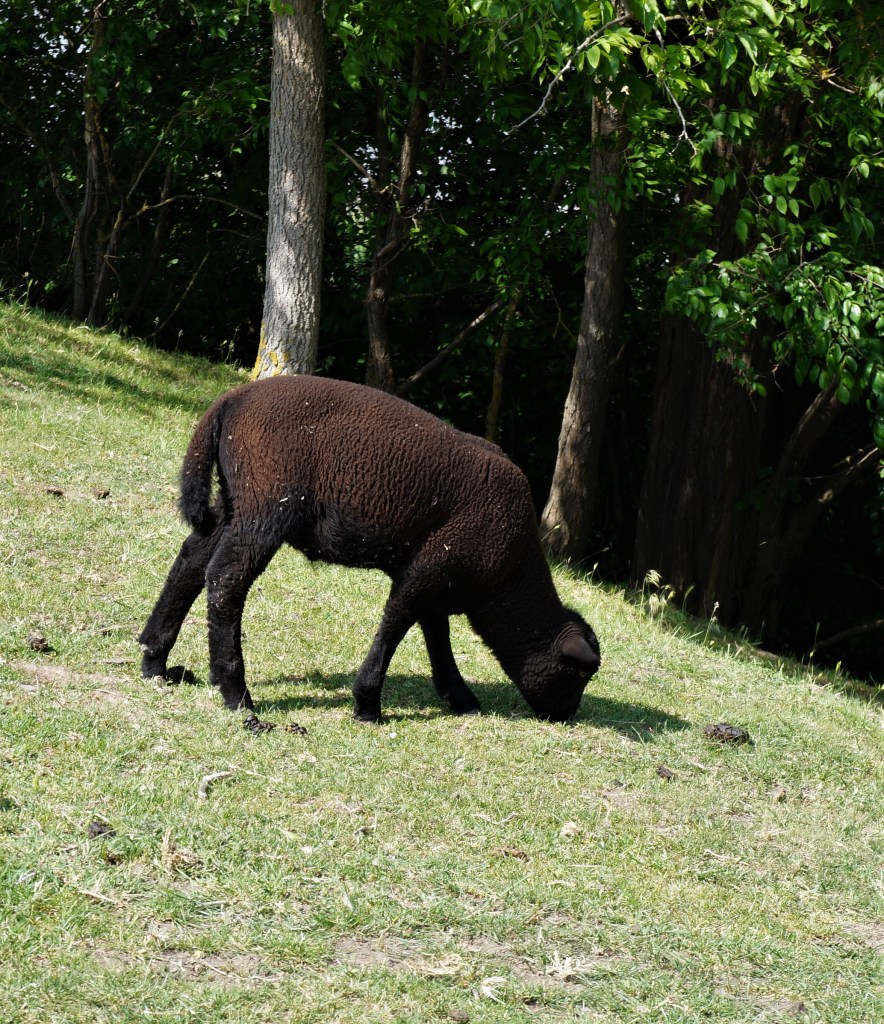
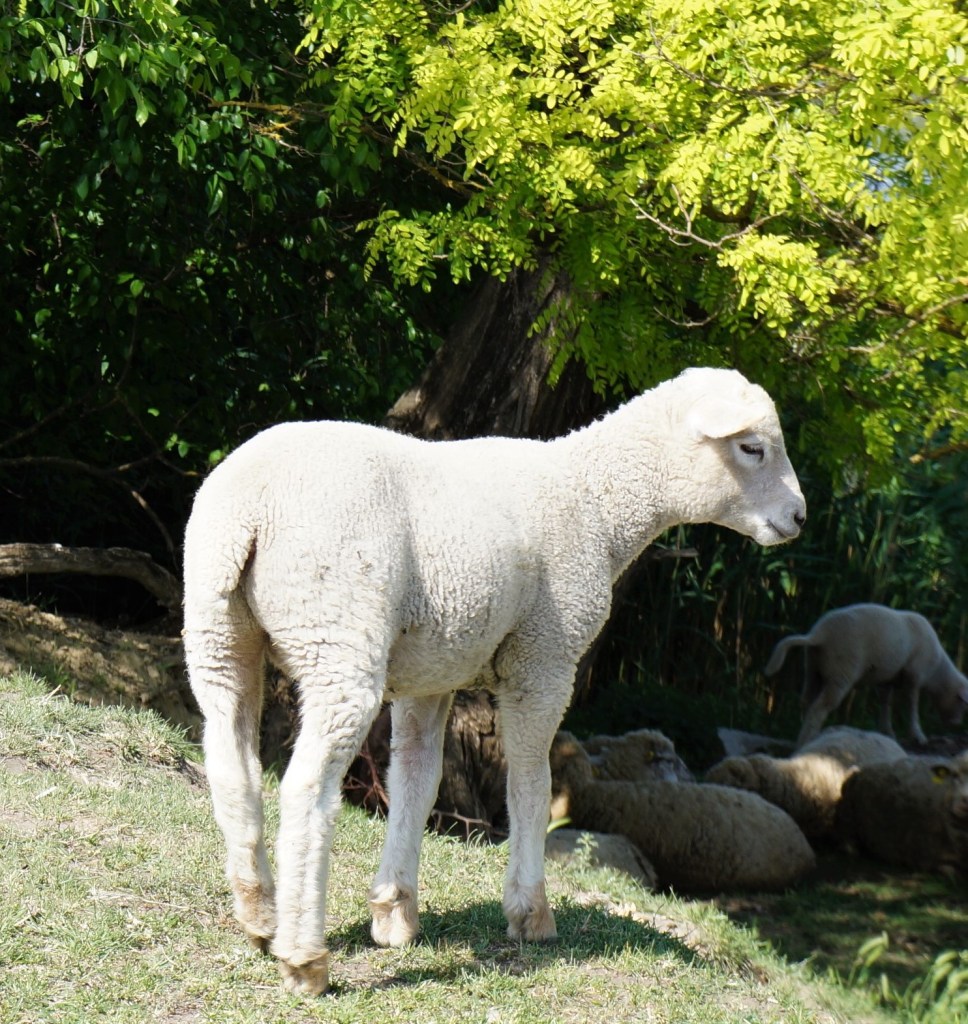
When I looked over the fence a whole crowd of curious faces were looking at me!
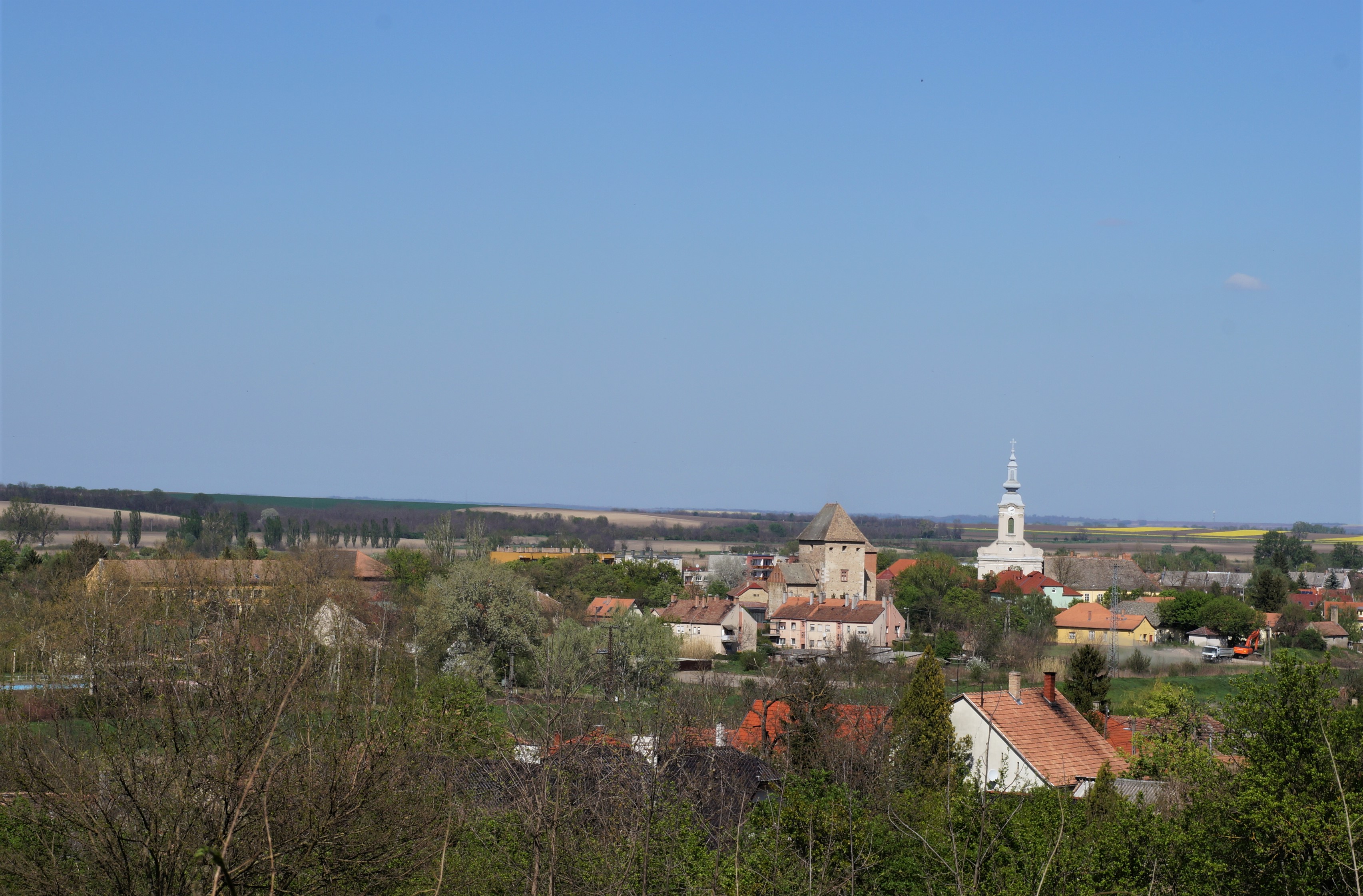
Leaving Dég we made our way to Simontornya, famous for its castle and staggering views. This shot was taken from the hillside. If you would like to see more shots of what I saw on my drive around Simontornya click the link below. https://makinghungaryhome.wordpress.com/2020/04/29/a-spring-drive-around-simontornya-hungary/
So that was one of our little cruises around the charming Hungarian countryside. There is always plenty to see and photograph at any time of year. We have certainly picked a wonderful country to retire to.
Do you like exploring neighbouring villages and towns with your camera? Fortunately, I still seem to have the ability to photograph new things every day, it’s almost like a challenge… do you have those feelings? I would love to hear from you. 😃
Our story
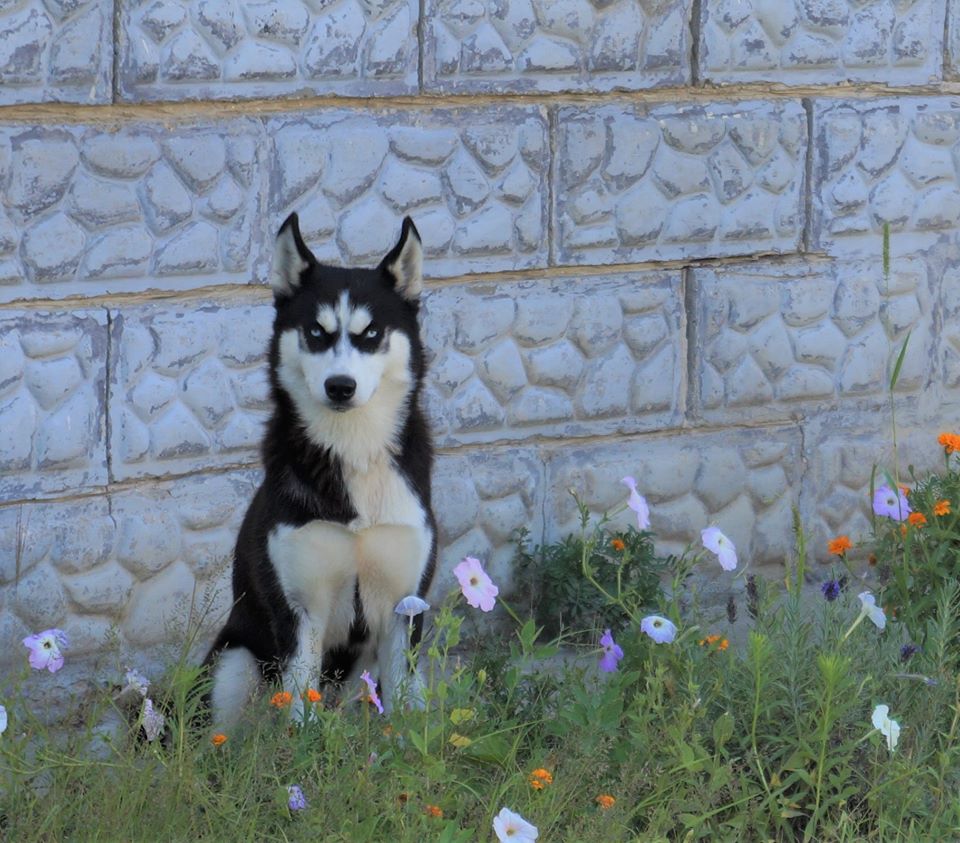
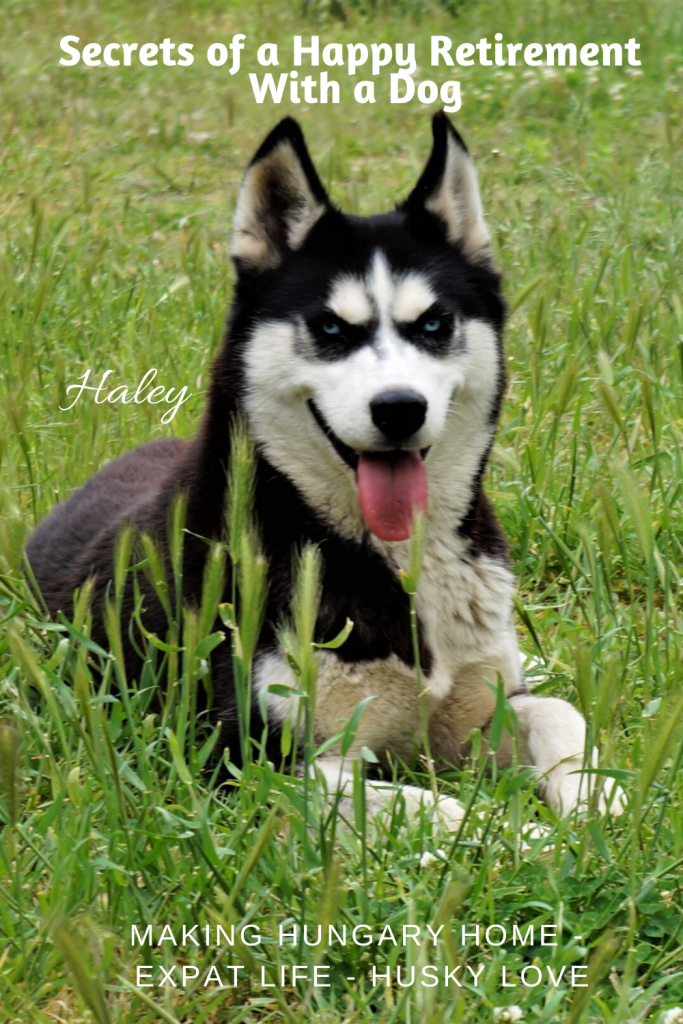
When we arrived in Hungary 3 years ago our son, Raphael, begged us to get a dog, specifically a Husky! Whilst living in England we were limited on outdoor space so a dog was out of the question. My reasoning had always been, that when we move and get a big garden we can have a dog.
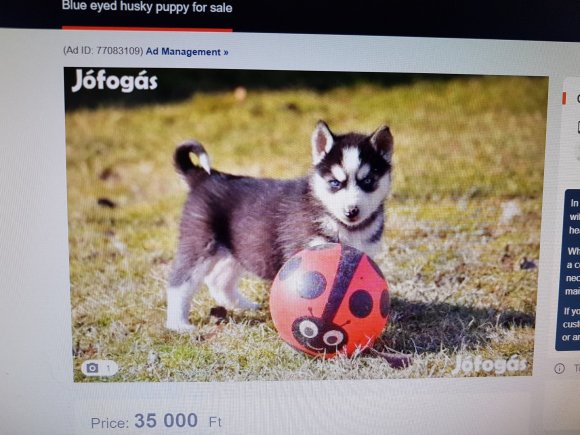
Now settled in Hungary my husband and I agreed we could manage to have a husky, care for it and give it a fantastic life. We had both taken early retirement, and our new home had a massive garden meaning being virgin dog owners was hugely possible. We got Haley Husky when she was 9 weeks old.
It got me thinking about other people, like me, of advancing years and the advantages of having a dog. I have listed 5 excellent reasons why you should own a dog during retirement years… do you agree with me?
1. Companionship

Isolation is a genuine and sometimes dangerous reality affecting our ageing population. Owning and loving a dog will help tremendously with loneliness. Dog ownership encourages activity in older adults, promotes a healthy lifestyle and in turn helps us to live longer. Owning a dog means you can become part of the neighbourhood “doggie” community. Ownership also means you have the marvellous benefits of keeping each other company. Here’s Haley ready to go out to meet one of her playdates in the village.
“A dog will always be your best friend no matter what. Even if your human friends aren’t.”
Dogs love to be close to their humans, scientists call it ‘proximity seeking’. There is nothing nicer than a dog nuzzling up to you and showering you with tons of love and affection.
2. Fill that “Empty Nest”

When you are suffering from “empty nest syndrome” and your own children have become adults and left home, owning a pet can help fill the void. Many women reach a certain age where having an empty house is unbearable. They have tons more love to give, a pet to look after, love, spoil and cuddle up to could be the perfect answer.
Haley, our dog, is now part of our family, living very comfortably with us and making us truly happy.
3. An Alternative to Travel
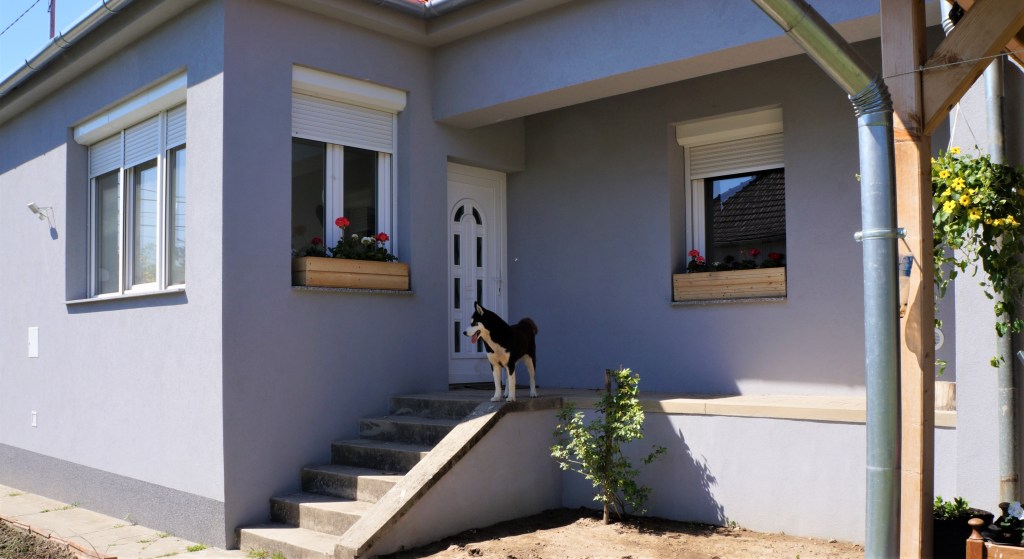
In our younger days, we travelled regularly abroad. Owning a dog has curtailed this activity. Being mum to a dog is essentially like having small children back in the house. You can’t leave them alone at a moment’s notice. It took me right back to my child-rearing days! There are options of course, boarding kennels, house sitters, taking your dog with you. Every situation is different. Putting our dog in boarding kennels whilst we leave her and travel is not really a comfortable solution. We would miss her too much and the logistics of this in a foreign country are huge. We are finding more and more that staying at home is definitely more fun with our dog around. It’s a new way of living and it works for us.
4. Positive Well Being

Many scientific studies support the positive health benefits of pet ownership. Owning a pet, especially a dog, has been associated with all of the following:
Dogs encourage exercise: Having a dog encourages a healthy daily routine. Regular walks around the neighbourhood, meeting up and chatting with friends makes it become a social event. Physically playing with your dog in the garden is an excellent way to burn off some energy and is both fun and stimulating.
Mental Stimulation Dogs have an uncanny knack for picking up on and responding to signals from their owners and can, with practice, be trained to perform tricks. This is great mental stimulation for you and your dog. Our dog has a range of skills and is adding to them by the day. It’s very rewarding when she learns something new.

Lower Blood Pressure Studies have revealed that dog owners have lower blood pressure than non-owners, perhaps because their pets have a calming effect on them and dog owners generally get more exercise.
Lowers Stress Levels The companionship people receive from their beloved pets better equips them to deal with stress. Petting and playing with your dog helps your body reduce the release of cortisol, the stress hormone. It also promotes relaxation.
“Dogs are our official mental and physical fitness trainers because they keep us active, healthy, happy and stress-free”.
5. Routine in Retirement
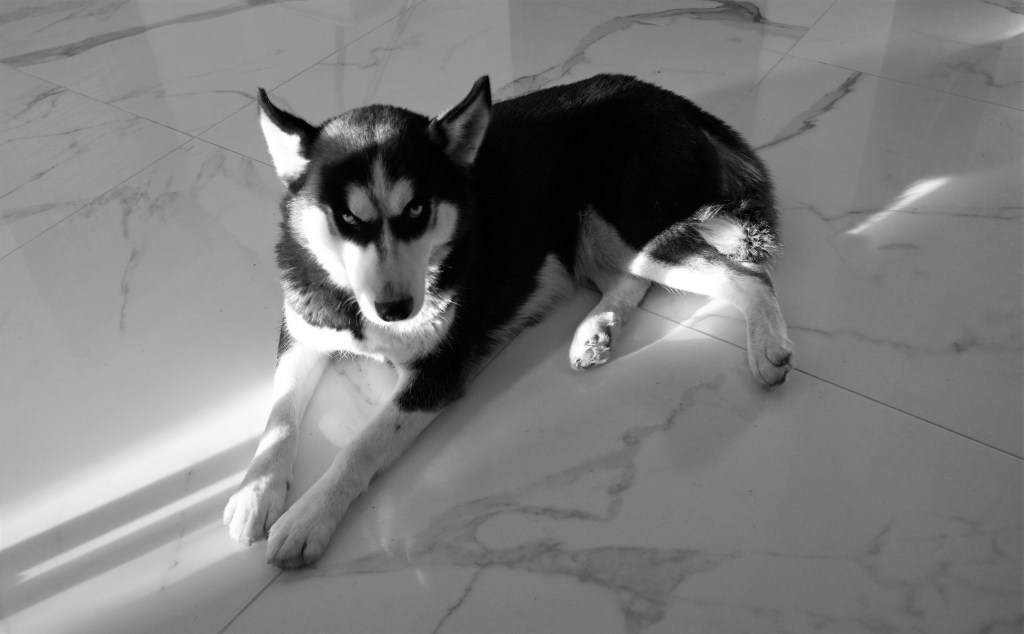
When you retire you might find it difficult to adjust to the lack of structure in your life that having a job provided. Fortunately, dogs are very routine-oriented, and they can help to get you on a schedule. Daily routines are essential for your dog, and helpful for you too.
A sense of purpose. Caring for a pet provides a sense of purpose and responsibility in your retirement life and helps you to establish a routine that’s based around the needs of a pet. When you own a pet, you will feel that you still serve a purpose and you will have more reasons to enjoy living.
Some Things To Consider
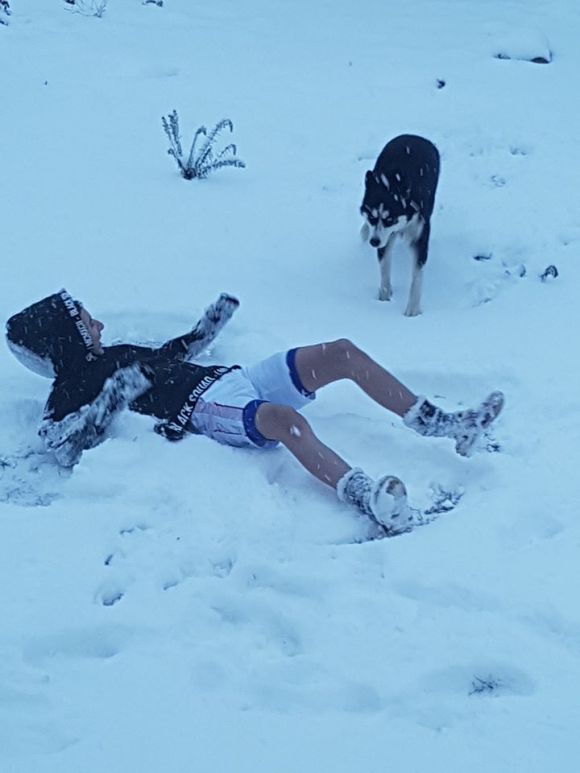
Canine companions make for wonderful company and great partners in exercise, however, owning a dog also comes with its own amount of work. Puppies especially require vigilant care and training in becoming house trained and in learning to follow commands. Getting a puppy later in your life can be hard work so it’s worth researching in detail breeds suitable for you. Perseverance and patience when our husky was a pup have now given us a wonderfully responsive playful adult dog.
Eric and I are not “spring chickens” anymore so for us the advantage of having a large garden for our husky to run around in is vital. Huskies need tons of exercise, daily stimulation and firm discipline. Our son, Raphael takes an active part in Haley’s life.
We have made a huge commitment for life, and KNOW we have made the right decision to have a dog in our retirement years.
Final Quotes from Retiree Dog Owners
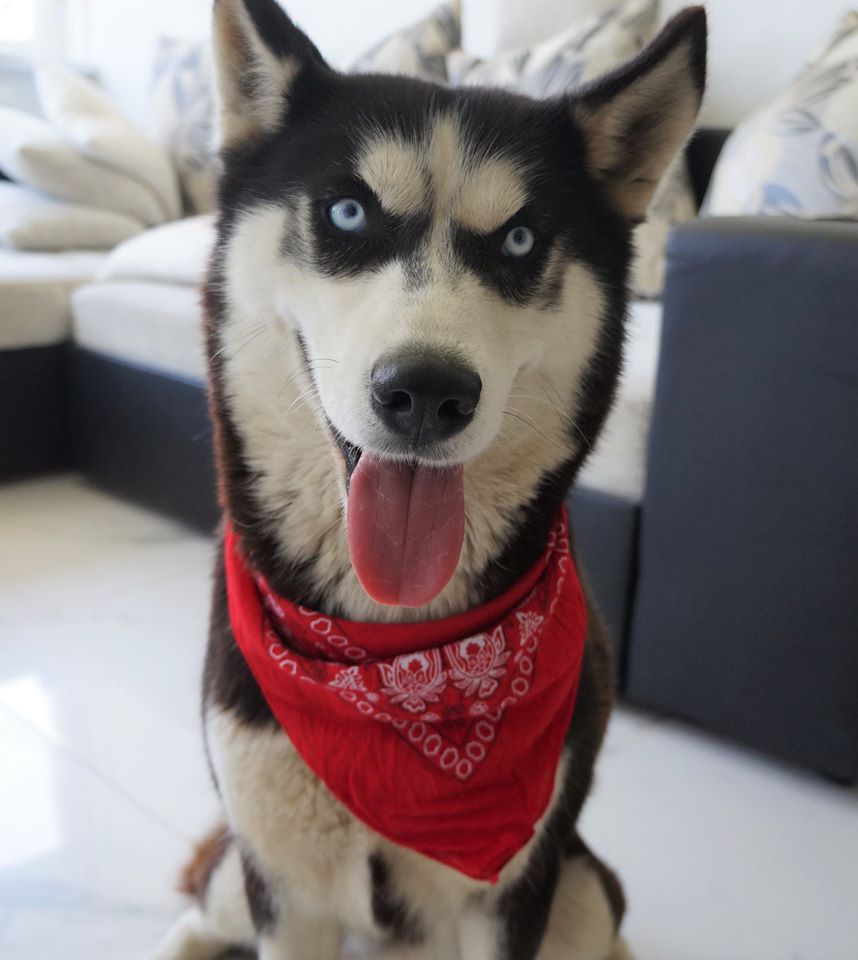
“That amazing soothing effect is why the owner-pet bond can become as strong as any human relationship”
“My favourite thing about having our dog is being greeted at the door by her wagging tail and excited eyes”.
“The unconditional love that a dog gives you, and the excitement when you come home, you can’t bottle that.”
I can’t do any sort of online shopping….

I used to be an “online junky” I loved the easy, no fuss online way to buy absolutely anything I wanted…of course within reason. But it made me think how much I took it for granted in England, I could sit, search and send in front of my PC and have my items swiftly delivered the next day. All that changed when we moved to Hungary. We were busy furnishing our new home and we found it impossible to find any sort of, easy to follow, Hungarian online shopping presence. Added to that the language barrier issue well and truly hit home. Ahhh well, we have saved a ton of money and I came to the realisation that Hungarian people don’t really do as much online shopping as in the West. It is said they don’t trust purchases where they can’t personally inspect the item first. Those who do use internet shopping and have their parcels delivered use the “Cash on Delivery” system, something they do not do in England.
I can’t leave bread or meat out without eating it immediately…

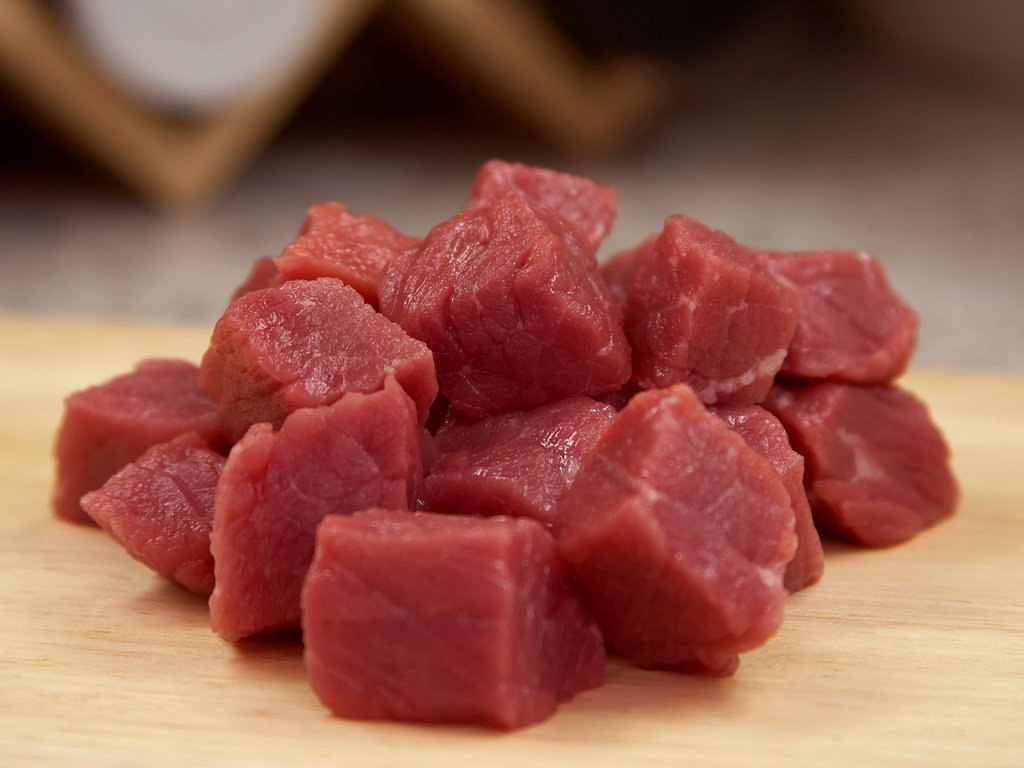
Our family motto: “Eat it, Or Freeze it”!
An excellent motto. Cooking and eating Hungarian foods is very different from England. Not that there’s anything wrong it’s just different! Soon after our arrival in Hungary we bought fresh bread from the local bakery, sadly within one day it had become dry and hard. It happened again from a different bakery, I suddenly realised, obviously, there are fewer preservatives added to the bread here. We had similar issues with the meat, not keeping it for as long as expected. So as our motto goes – if we are not going to eat it that day it goes straight into the freezer. “Eat it, Or Freeze it”
I can’t browse around an English Bookshop…

I love the smell of books and book shops the actual feel of REAL books. I have lived with my Kindle by my side for the last few years, I left my book collection in England and do miss it. The opportunity to visit a bookshop, indulge in picking up a book and opening its pages and see English text. Or to be able to read the blurb on the back and make a judgement, to buy or not to buy? Of course, there are book shops here, perhaps in Budapest there is an English one to indulge my fantasy. I shall have to broaden my search horizons to Budapest.
Speaking English when negotiating…

Any sort of deal with a Hungarian…. you must speak Hungarian, if not, you may find you pay a higher price because you speak English! We have learnt this through expensive experience. Out in the countryside, the Hungarian people hold regular car boot sales, nobody speaks English, we paid over the odds for items we bought. Later we were advised, next time ONLY speak Hungarian and that advice came from a friendly Hungarian!
We love living in Hungary and have made some major lifestyle changes that we don’t regret. Every country lives a different way of life with lots of cultural differences. Every new experience that we learn from makes us wiser people and ready for the next time.
Do you live in a country with differences that you have noticed…which way of life do you prefer the old or the new? I would love to hear your views.
Beyond Budapest


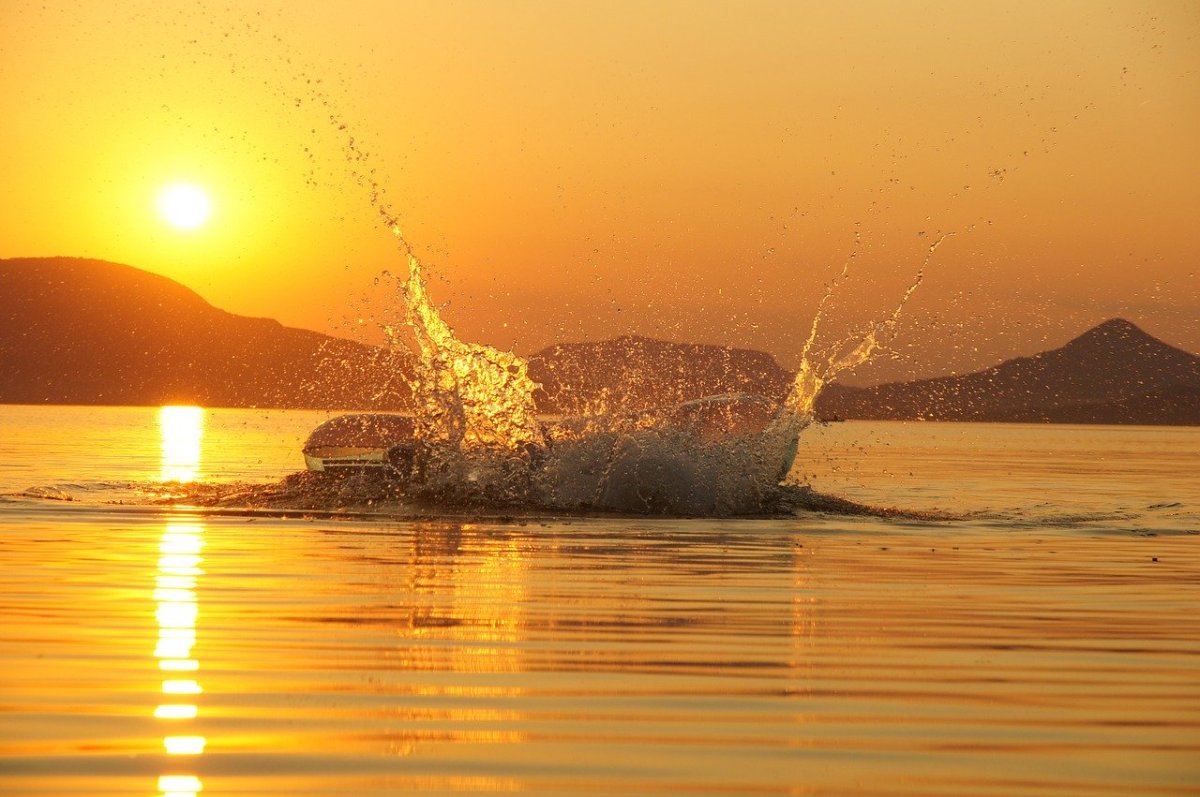
Known affectionately as the Hungarian Sea, Lake Balaton is Central Europe’s largest freshwater lake, it’s about 50 miles long with colourful little towns, quaint rustic villages, and bustling resort towns around its shoreline. You will also spot many magnificent vineyards on your travels around the lake. I have included lots of videos for you to take a look at and give you plenty of ideas for your next visit to the wonderful Lake Balaton in my home country, Hungary – 40 minutes from the lake.
Hungarians love to flock here every summer, to escape the city and for some outdoor fun. This top-rated lake is the most visited family destination in Hungary.
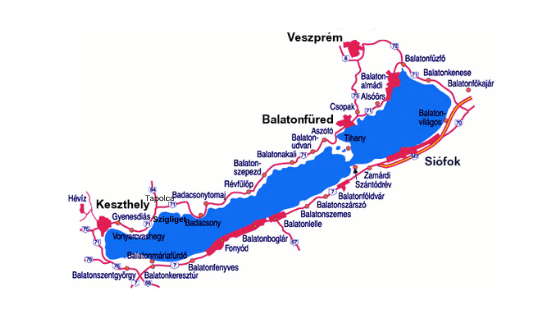
| Siófok | Veszprém | Balatonlelle | Tapolca | |
| Balatonfüred | Zamardi | Keszthely | Hévíz | |
| Balatonboglár | Szigliget | Tihany | Fonyód | |
| Csopak |

To get a good “feel” of Lake Balaton watch this amazing video.
Siófok
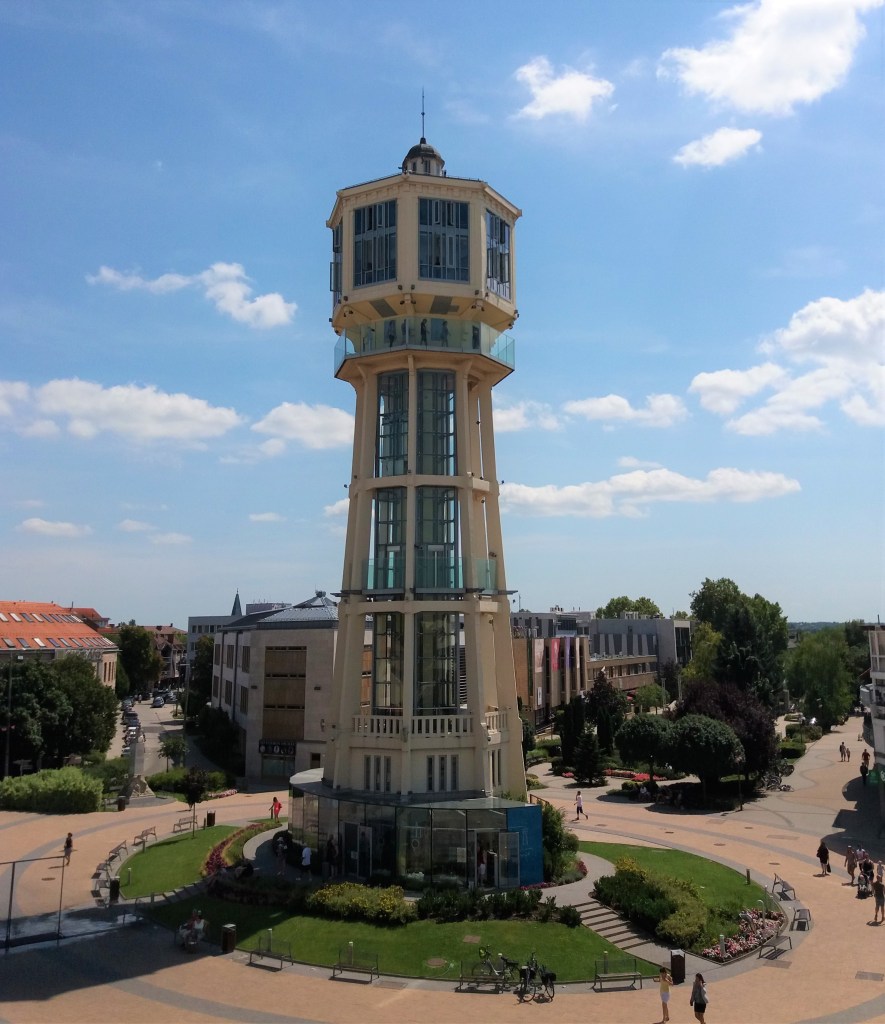

Siófok, also known as the Capital of Lake Balaton, is the largest city on the lake’s shore. During the summer months, it boasts an active nightlife, with vibrant bars, clubs and restaurants available to all visitors. People also come for its long coastline, with friendly sandy beaches.
Veszprém
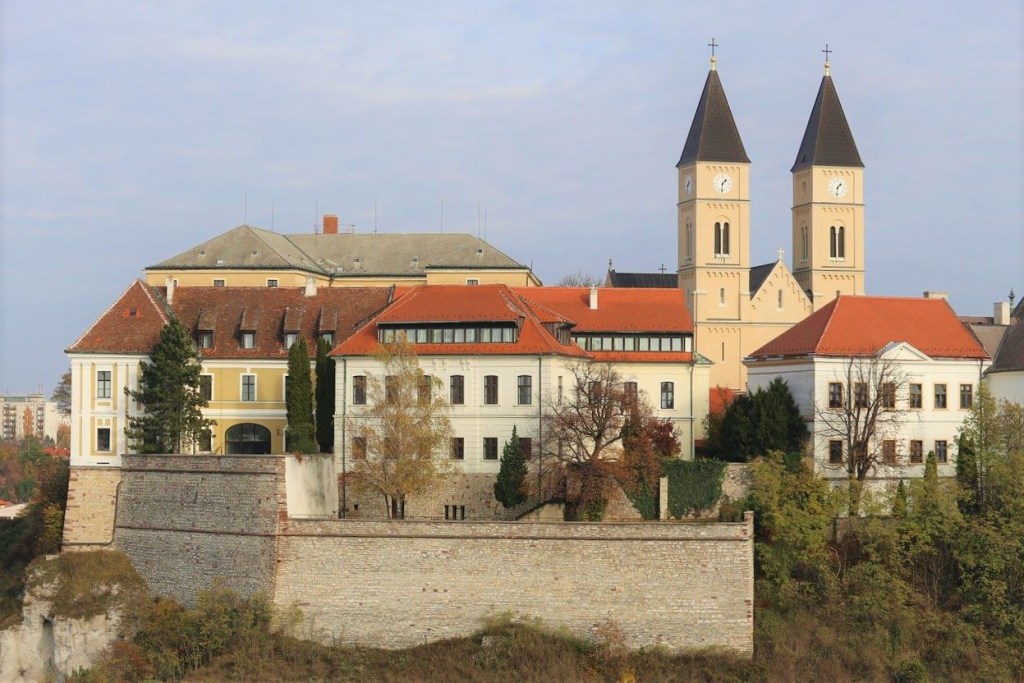

One of the oldest urban settlements in Hungary, it boasts quite an impressive list of tourist attractions definitely worth visiting. If you are here mid-July then catch the famous Street Music Festival, the largest and most colorful of its kind in all of Hungary. Veszprém Zoo is set in a wonderful natural space with a large variety of different species, open every day of the year, including weekends and holidays. There is a daily zoo walk and you can experience life size dinosaurs.
Balatonlelle

Balatonlelle is a cheerful, well-kept small town, which offers countless attractions for visitors. Located on the southern shore of Lake Balaton, about 35 km west of Siófok. Attractions include a (paid) sandy beach and a long public (free) grass beach, an aqua-park, go-cart course, and in the first week of August, the town holds an annual wine festival.
Csopax


Csopak is one of the most well known outstanding wine districts of Hungary, where grape growing and winemaking has been in operation for more than two thousand years. In the village, you can take part in the wine days held during August, with folk music and tasty food made by the locals. A very jovial way to spend a day.
The Strand (beach) of Csopak is famous for being the number one sandy beach for the last few years.
Csopak also offers a wealth of sailing opportunities and there are also boat trips to Tihany village, on the northern shore. Well worth visiting.
If you are interested in other beaches gaining awards then you will find more information here: Best Beaches around Lake Balaton 2019: https://dailynewshungary.com/exciting-these-are-the-best-beaches-of-lake-balaton-this-year/
Fonyód

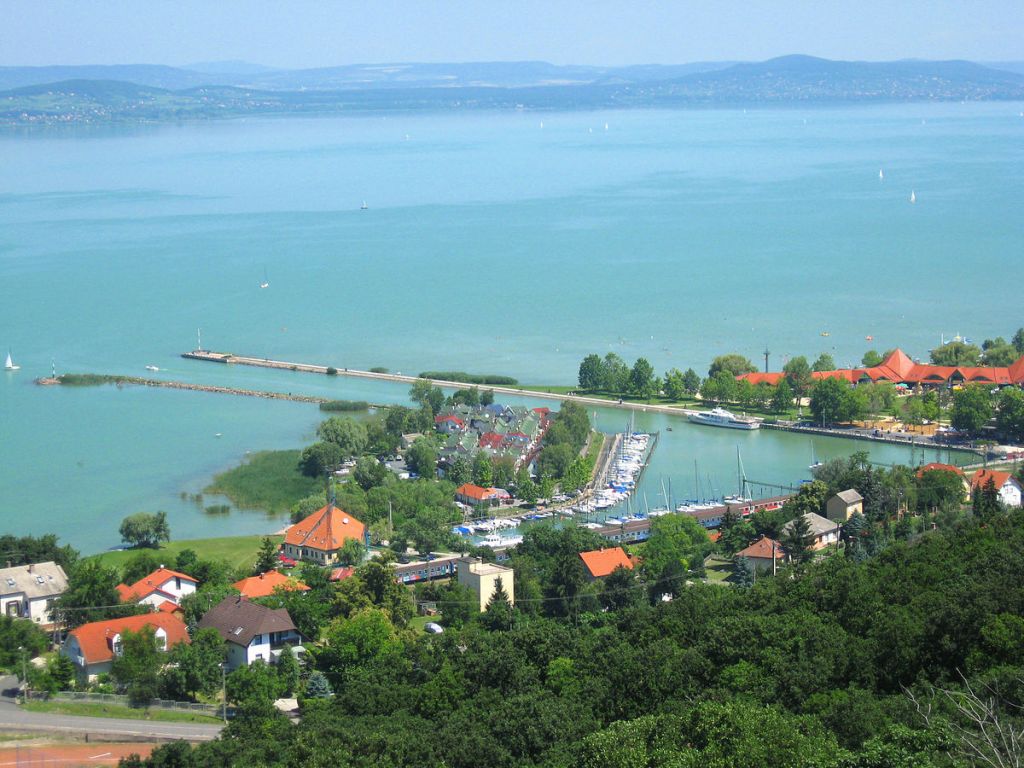
Nobli / CC BY-SA (https://creativecommons.org/licenses/by-sa/3.0)
A beautiful video showing you the delights of Fonyód.
Fonyód is a holiday resort on the southern shore of Lake Balaton and can boast the first ever dog beach at the lake. A very well maintained beach that you can let your dog run, swim and have fun. It is forbidden at other beaches around the lake.
The town is famous for its mineral water which is bottled there under the name Fonyódi.
Balatonfüred


Balatonfüred is a bustling Hungarian spa town on Lake Balaton’s north shore. Esterházy Beach is considered to be the most “elegant” beach in the city. It has well kept lawns, blooming flower beds and pretty park benches. For the energetic you can play volleyball and streetball on the beach pitches, or sunbathe on platforms and swing chairs can be rented. The summer months in Balatonfüred are popular times with visiting tourists.
It is home to The spectacular Annagora Aquapark with the second largest wave pool in Hungary. More information here: https://annagora.com/en/annagora-aquapark/introduction/
Keszthely
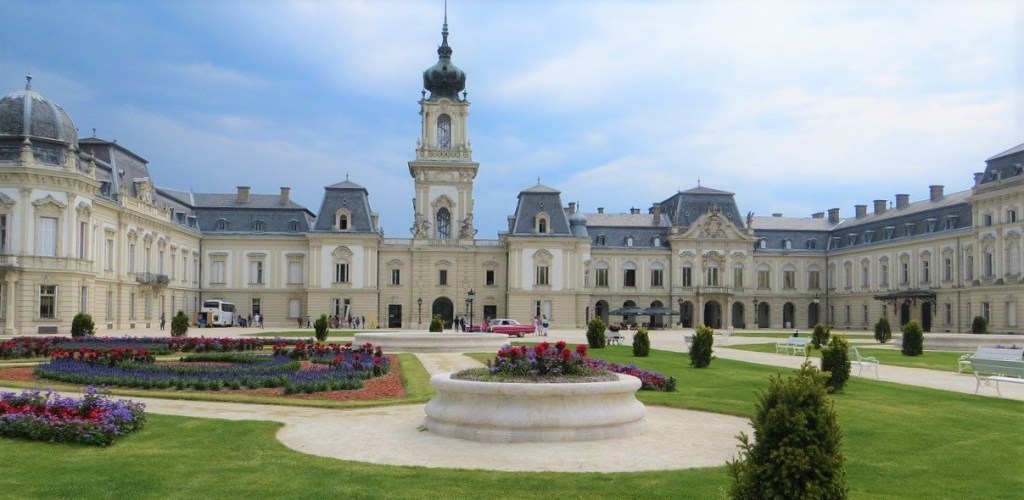
Keszthely is situated on the western shore of Lake Balaton. It is the largest city by the lake. The town boasts 3 wonderful quality beaches each gaining a prestigious Blue Waves Flags award.
After the city’s waterfront, the main attraction of Keszthely has to be Festetics Palace. This sensational Baroque palace is positioned just north of the city centre and yet feels wholly secluded. While you have to pay to take a tour of the palace interior, visitors are free to roam the expansive English gardens at the front and back of the palace.
Hévíz
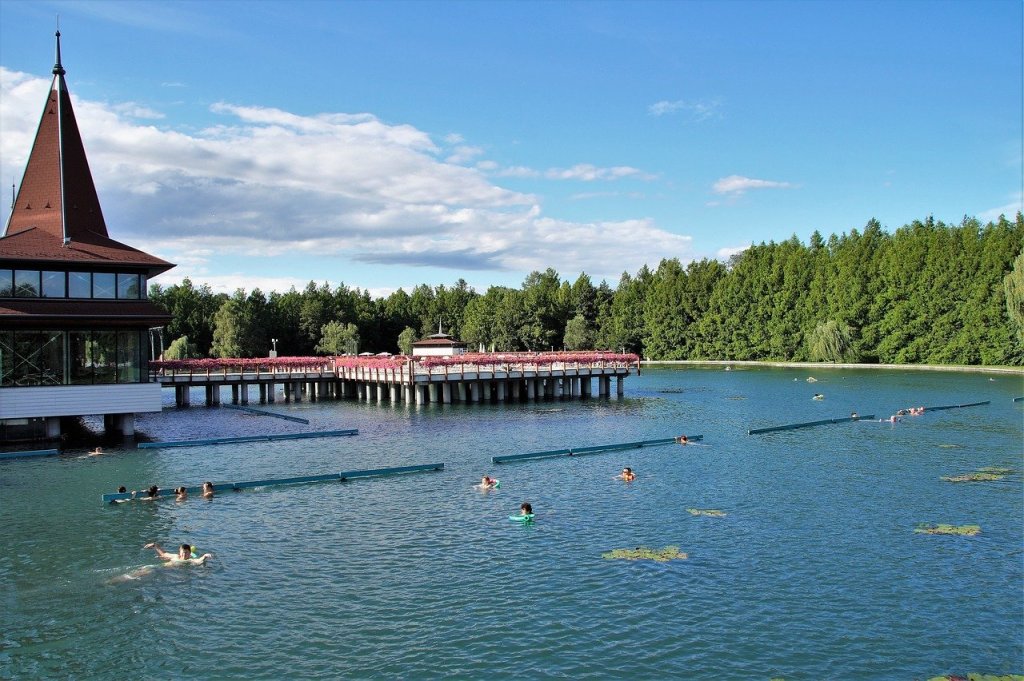
Hévíz is a spa town in Zala County, Hungary. The famous Lake Hévíz is located here and offers the ultimate in wellness experiences. The local inhabitants have known about its healing properties since the Stone Age. The lake is dotted with picturesque water lilies, and it’s inhabited by a variety of bacteria and algae that contribute to its healing properties. This is definitely the highlight of Hévíz. So apart from being a haven for relaxation, Hévíz town is also teeming with cultural events, arts and crafts and many gastronomical delights.
Find out about other Hungarian Thermal Spas here:
https://makinghungaryhome.wordpress.com/2020/04/04/did-you-know-hungary-is-the-home-of-thermal-spas/
Tapolca
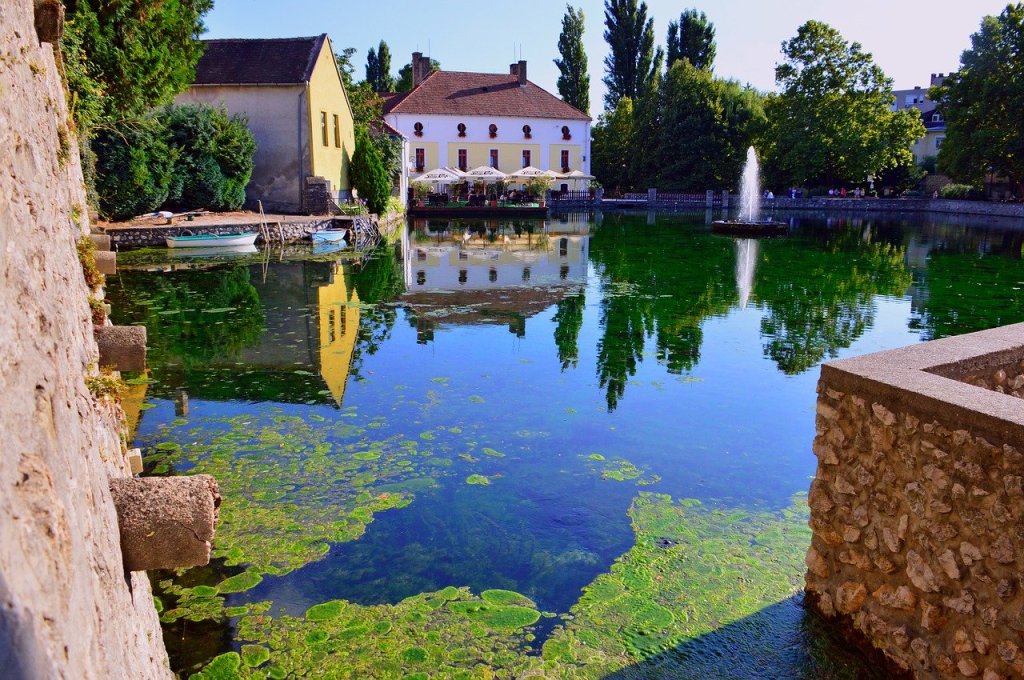
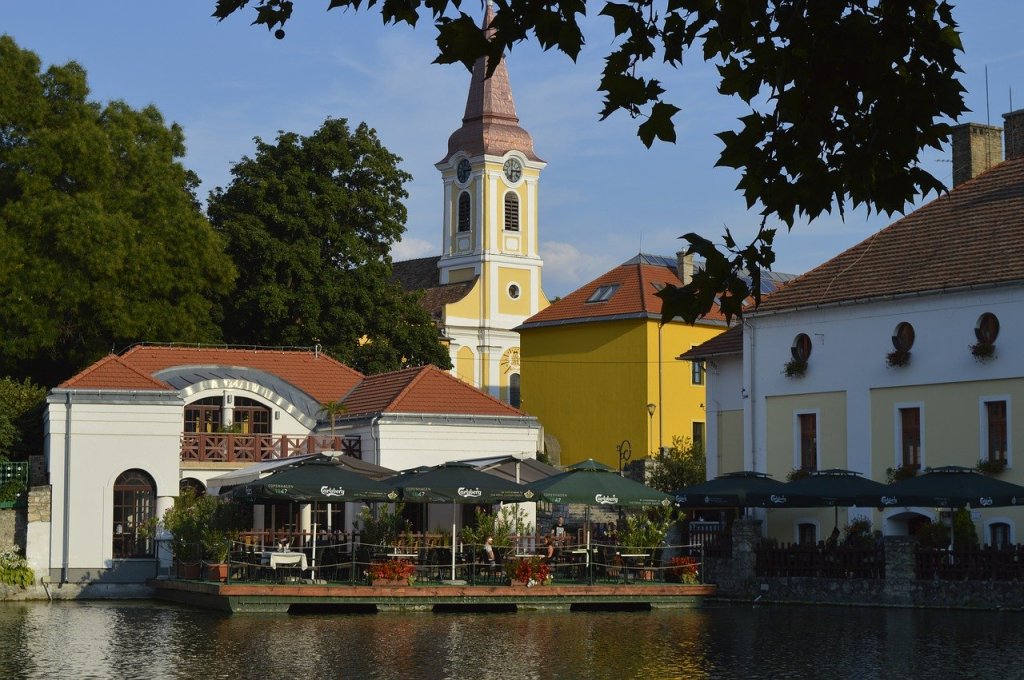
Tapolca attracts many tourists to this little town due to its surrounding green hills, relaxed atmosphere and laid back pretty country lifestyle. The Mill Pond is a small romantic part of Tapolca and is great for a leisurely amble around its quaint streets.
The main attraction has to be The Lake Cave, the winding 300m underground limestone cave system, navigable by boat along a subterranean lake. It weaves under the houses of Tapolca, discovered over a hundred years ago, fascinating and truly atmospheric. More information can be found here: https://bfnp.hu/en/tapolca-lake-cave-visitor-centre-tapolca
Balatonboglár

Balatonboglár is a small resort town situated on the south shore of Lake Balaton. It is the official centre of the Balatonboglár wine region, and is often called the “town of grapes and wine.”
Ferenc Vejtey Promenade is a lovely beach with a gorgeous romantic setting especially enjoyed at sunset.
Sphere Lookout is an observatory up a small hill. The hill is slightly steep in places so may be hard for less able bodied people but well worth the views when you get up there. Definitely need to visit for the staggering 360 degrees views across the lake – there is a small entrance fee.
Szigliget

The village can be found on the northern bank of Lake Balaton established on a small hill. The castle, nicknamed the “Fortress of the Balaton”, sits proudly overlooking the lake. Withstanding the test of time since its construction in the 13th century, Szigliget is a slice right out of history, and you will enjoy taking a step back in time. Szigliget Castle is definitely a must-see if you’re in the area.
The castle bears over 750 years of history and represents a valuable legacy to the Hungarian people. There are many events held at the castle grounds, including the Castle Festival and the renowned Historical Archery Competition. Szigliget Castle also features various thematic exhibitions, emphasising the daily life of people living in medieval times. You can capture amazing views from the top.
Tihany
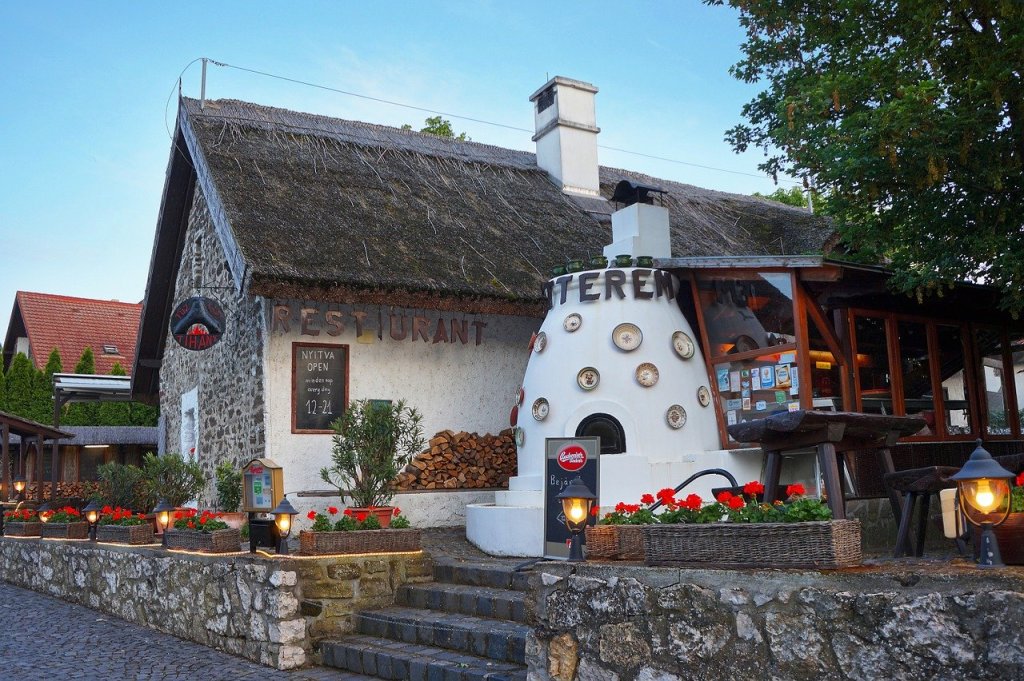
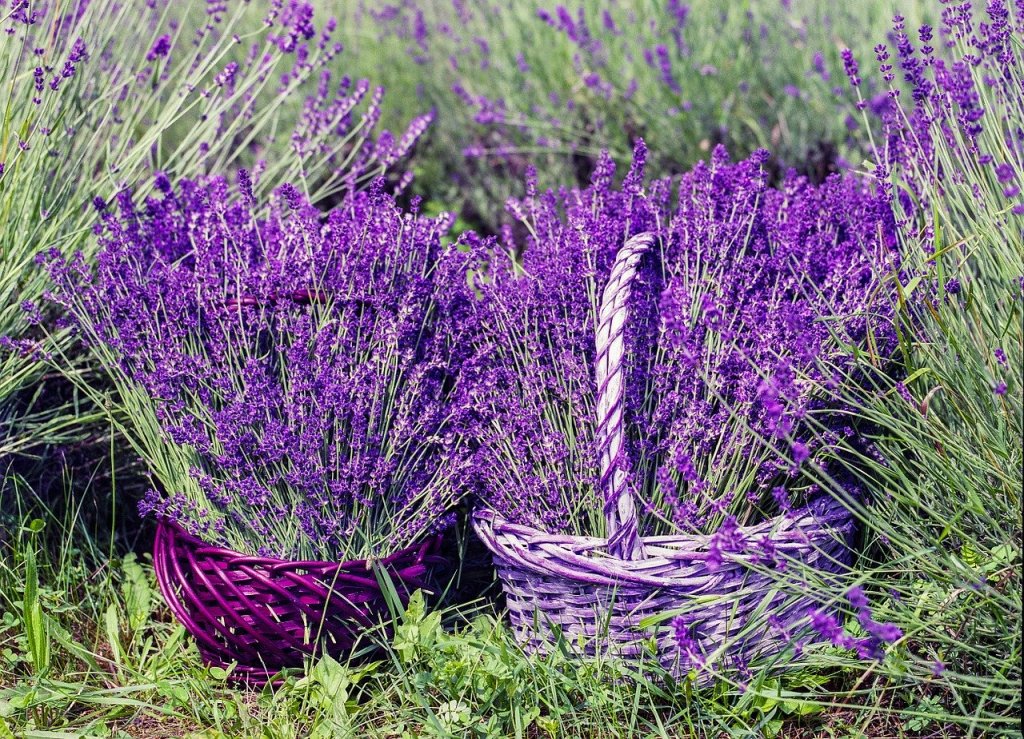
Tihany is located on the northern shore of the lake, on a charming peninsula overlooking the majestic Lake Balaton. It is one of the best loved destinations around the lake. It becomes quite crowded during the summer season. The lush walkways, appealing houses, the famous Tihany Abbey and the adventurous nature trails are all part of the Peninsula’s charm.
One of the biggest attractions in the region is the yearly Lavender Festival. In the second half of June, many people arrive in Tihany from all over the country to admire the pretty fields of violet.
Zamardi
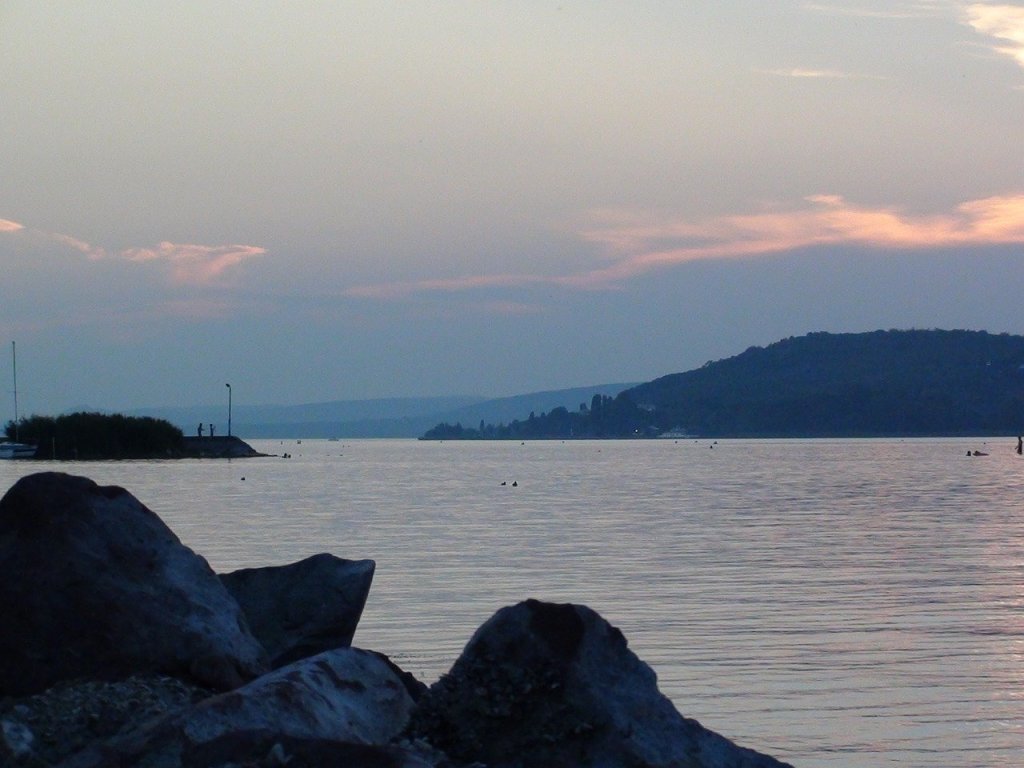
Kohegyi Kilato – Stone Hill Lookout video gives you wonderful panoramic views from the tower across Lake Balaton and a taste of the beach life in this resort.
Zamardi is also very well known for its glorious beaches and incredibly popular music events, particularly Balaton Sound. It is held in July every year and is one of the largest open-air electronic music festivals. This four-day festival held on the southern bank of Lake Balaton, is a great place to dance the night away and then recover the next day on the sun loungers by the water.
So there you have it, 13 super places to visit around Lake Balaton. If, like everyone else in the world, you have restricted travel, you can play the videos and take part in exploring these areas virtually whilst planning your next visit. Are there any places I have missed, please let me know in the comments?

There are so many interesting places to go and attractions to see in Hungary definitely worth exploring as either a tourist or a resident like me.
Hungary has numerous epic castles, volcanic mountains, spectacular lakes and fragrant lavender fields. The amazing countryside is scattered with attractive blossoming fruit trees in the spring through to the autumn when classic sunflower fields and abundant grape filled vineyards burst into life. The air is exhilarating, the hiking is legendary and the famous thermal waters are full of healing properties.
I asked my Hungarian friends to recommend places to go that they thought were worth visiting. I have listed a variety of interesting places and a little about each one. Hopefully, there is something for everyone.
I shall follow this up with more posts detailing my next 7 unique places, to visit, as recommended by the people of Hungary.
My first seven recommendations for places to visit in Hungary
Szentendre
Veresegyházi Bear Home
Benedictine Tihany Abbey
Lillafüred
The Waterfalls of Miskolc
Lake Hévíz
Sopron

Beautiful Colourful Town
Szentendre
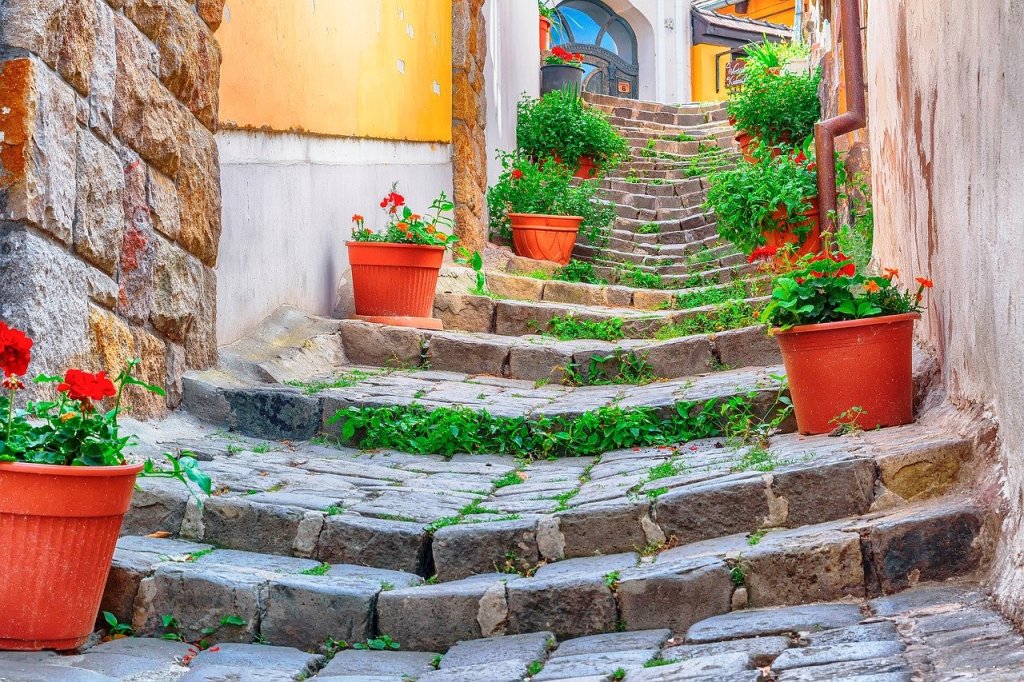
Szentendre is a picturesque art-filled Hungarian town on the Danube River, north of the capital, Budapest. It’s known for its baroque architecture, churches, colourful houses and narrow cobbled streets. The main square Fő Tér, and the alleyways around it are lined with art galleries, museums and shops.
Szentendre Skanzen Village Museum: The Hungarian Open Air Museum is Hungary’s largest outdoor collection, founded in 1967. The open-air museum shows Carpathian folk architecture and life in various areas of Hungary.
Retro Design Center: Lots of old cars you would find in Hungary in the 70’s and also household items from the same period.
ArtMill: A nice exhibition space in a former industrial building, offering an insightful view of Szentendre’s magnificent art scene.
The Kovács Margit Ceramics Museum: Regarded as the most popular museum in Szentendre. Opened in 1973, presents the lifework of Kossuth Prize-laureate ceramic artist Margit Kovács (1902–1977). The collection was donated in 1972 by the artist, who is considered to be the innovator of Hungarian ceramic art.
Lots more information about this beautiful city here: https://www.offbeatbudapest.com/budapest-city-guide/best-things-to-do-in-szentendre-hungary/
Family Friendly
Veresegyházi Bear Home
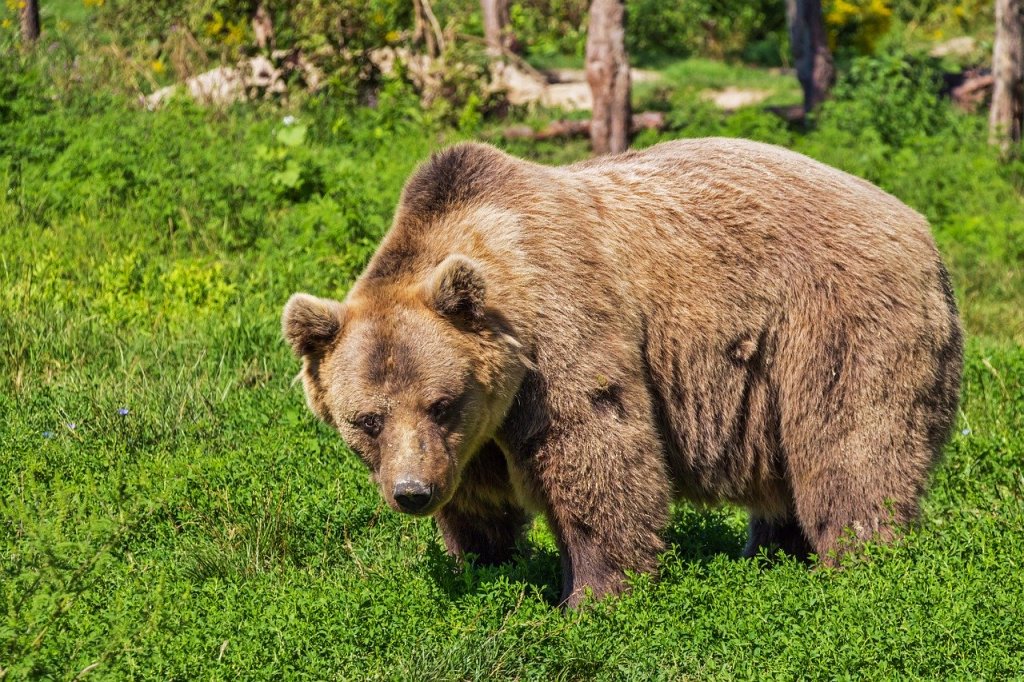
The Veresegyházi Bear Home is the only bear shelter in central Europe that opened in 1998.
Located in Veresegyház, just some 25km from Budapest, this 5.5-hectare farm and petting zoo features bears, tame wolves, reindeer and raccoons. The bears live in a large enclosure, with 3.5 acres of continuous runways and have access to a lake, can roam a huge forest with open ground and numerous caves. Visitors can feed the bears with honey from long handled spoons. There is also a convenient car park close by.
Ticket prices valid from 1 January 2020
Adult: 1500 HUF / person,
Child (3-14 years old): 1000 HUF / person
Student (between 15-18 years) 1200 HUF / person
Family (2 children, 1 adult): 1000 HUF / person
Pensioner: 1000 HUF / person
Children (under 3 years): FREE
Parking (valid for the whole day): car: 300 HUF, bus: 1000 HUF
Top tip: Bring your own honey!
This is the link for their site – in Hungarian http://www.medveotthon.hu/hirek/
Approximate location details.
Historical Interest
Benedictine Tihany Abbey

Tihany is a beautiful village on the northern shore of Lake Balaton on the Tihany Peninsula. The whole peninsula is a historical district with the Benedictine Tihany Abbey in the centre, founded in 1055 AD by András I, who is buried in the crypt. Opposite the Abbey, you can visit where the monks cultivate herbs in the enclosed gardens. The calendar-inspired views are staggering across the stunning Lake Balaton. A beautiful area to visit, in fact, Tihany in 2014, was the recipient of the most beautiful renovated village in Europe award.
Opening Hours for the Abbey:
May – Sept : 9am-6pm Mon-Sat, 11.15am-6pm Sun
Oct – April: 10am-5pm Mon-Sat, 11.15am-5pm Sun,
Nov: 10am-4pm Mon-Sat, 11.15am-4pm Sun
Price: Adult/Concession/Family incl abbey museum 1200/700/3200Ft
Link for more information about Tihany and the Abbey http://www.tihanyinfo.com/en/Tihany.html
Top Tip: Visit out of season for a more peaceful visit.
Beautiful Scenic Town
Lillafüred
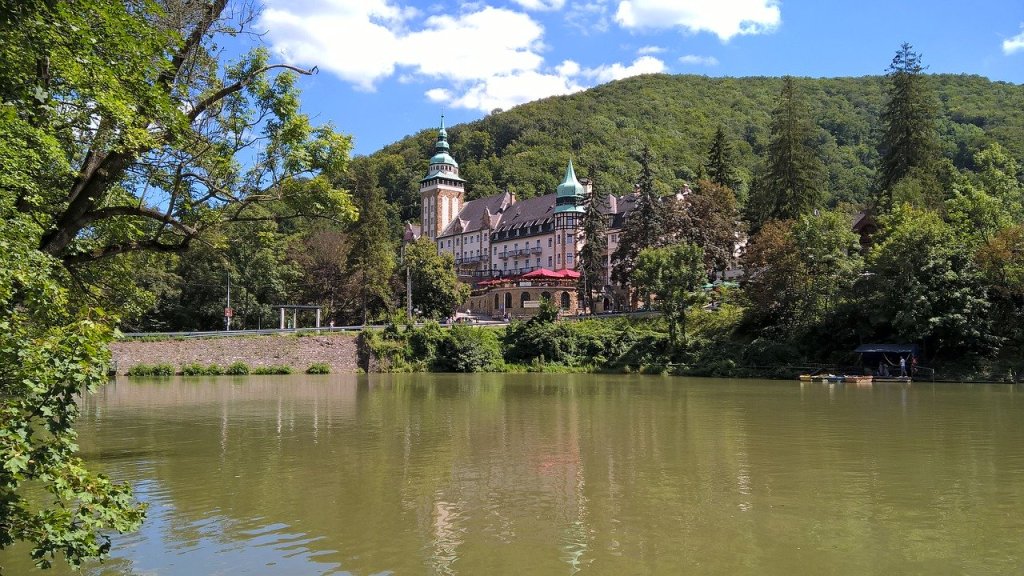
Lillafüred, is surrounded by one of the most beautiful natural environments in Hungary, in the Eastern part of the Bükk Mountains next to Hámori Lake, often referred to as the “Pearl of Bükk”.
Chairlifts Park in Lillafüred
If you are keen to get some spectacular aerial sights then a ride on a chairlift is a must. The chairlift starts the route from 333 metres above sea level and ends at 606 metres high. The travelling time takes 11-12 minutes.
Opening times 10 am – 6.00 pm
Ticket prices: One way ticket/adult:1100 Forints
Return ticket/adult:1400 Forints
One way ticket/child, student: 900 Forints
Return ticket/child, student: 1200 Forints
The Palace Hotel Terraced Gardens, Lillafüred
The stunning Palace Hotel was built between 1927 and 1930. The building is a spectacular piece of Hungarian architectural art. The hillside below the hotel was designed as a replica of the hanging gardens. The interesting terraced walkway system leads to the entrance of Anna Cave, which is a sinter cave. Open to the public. The history of the large-scale construction works of the buildings and gardens is reflected in the reports from the period.

Opening hours: Mon-Sun: 0-24
If you fancy a luxurious treat here is the link to the hotel itself https://hotelpalota.hu/en
The Waterfalls of Miskolc
Szinva Stream, which originates from Lillafüred, and is almost twenty kilometres long, crosses Miskolc from east to west and falls into the Sajó river. More than 70 bridges are built over the stream and in parts of the city centre it flows underground. The highest waterfalls in the country (20 metres high) can be found on the Szinva Stream. The waterfalls are beautiful in the summer months and in winter too, the icicles form on the frozen waterfall providing a perfect photographic setting.
This is a beautiful spot with lots of interesting and relaxing areas to explore. Easy to get around on foot, suitable for all the family.

Top Tip: Bring your walking boots and visit after the rains.
Thermal Waters
Lake Hévíz
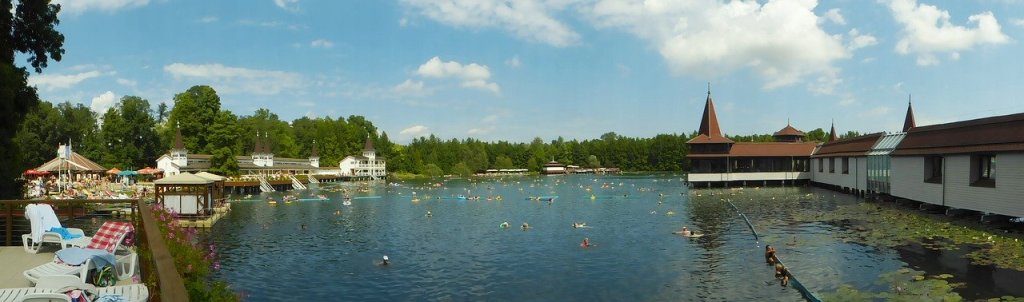
Lake Hévíz is located in Hévíz, Hungary, near the western end of Lake Balaton, 8 km from Keszthely. It is the largest thermal lake in the world with biologically active, natural medicinal water which is available for the public to bathe in. Its temperature is affected by the combination of cold and hot spring waters coming from underground. The medicinal water breaks out from the spring cave on the surface at the rate of approximately 410 litres per second and with a temperature of up to 40°C. The water in the lake changes every three and a half days and keeps it uniformly clean.
The thermal lake is absolutely magical and a must visit for anybody, you bathe in healing waters amongst ancient flowering water lilies in gorgeous surroundings.
Top Tip: Bring your own slippers
Opening Times: 9am – 6pm
Link to their website with more detailed information on pricing and facilities : https://www.heviz.hu/en/lake-heviz/lake-bath-heviz/lake-bath-opening-hours-prices
Lake ticket (3 hours) – 3200 Forints
Lake ticket (4 hours) – 3900 Forints
Daily ticket – 5500 Forints
Senior ticket (over 60) – 2700 Forints
Child ticket (6-14) – 1800
Architecturally Beautiful Town
Sopron
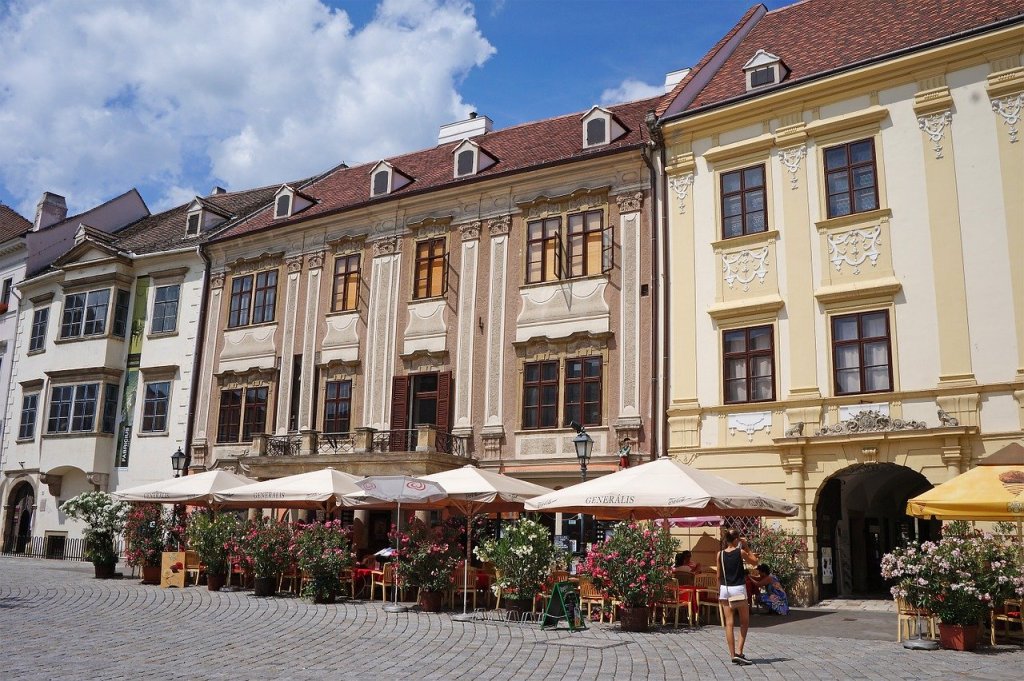
Sopron is a significant wine producing region, one of the few in Hungary to make both red and white wine.
The architecture of the old section of the town reflects its long history, walls and foundations from the Roman Empire are still common, together with a wealth of Medieval, Renaissance, and Baroque structures, often artistically decorated, showing centuries of stability and prosperity.
You will find lovely old buildings, narrow cobbled streets and beautiful churches in the town. The old town is well preserved and feels very medieval. It offers a labyrinth of beautifully coloured streets and interesting pretty squares. Medieval historical buildings include The Fire Tower, The Goat Church and lots of ancient ruins. The Trinity statue in the middle of the old town is the crown of this beautiful Baroque town.
Top Tip: Bring your camera.
This post is my first of several, detailing the many recommendations I received from the people of Hungary. So a BIG thank you to them for making this series possible.
If you have any places that you think are worth visiting in Hungary please let me know in the comments. Very much appreciated. 💚

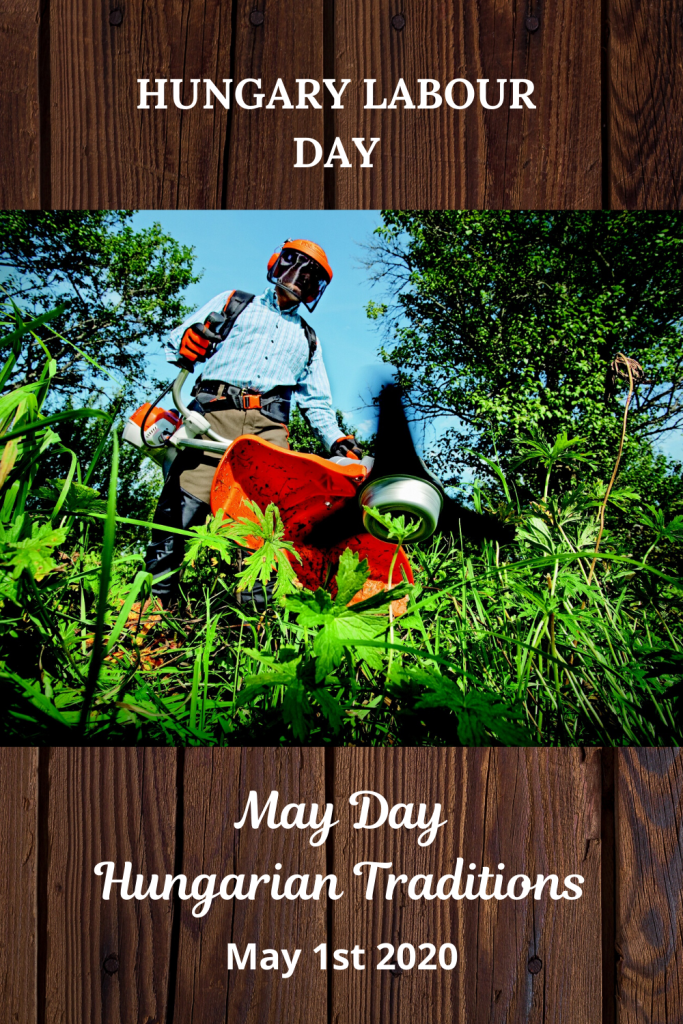
May 1st is an important day for Hungarians. Not only is it Labour Day but it is also the anniversary of joining the European Union in 2004.
Labour Day in Hungary is the celebration of summer arriving and also to show appreciation to all the working class people of the country.
This public holiday is also known as International Workers Day or May Day and is celebrated in over 80 countries.
The first May Day celebrations were on May 1st 1890 and are celebrated in most countries around the world. In the United Kingdom and Ireland, the bank holiday isn’t fixed on May 1st but instead is observed on the first Monday of May.
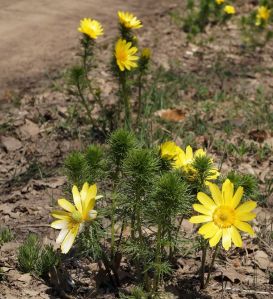
May 1st is also a pagan holiday in many parts of Europe. Its roots as a holiday stretch back to the Gaelic Beltane. Beltane or Beltain is the Gaelic May Day festival. Most commonly it is held on 1st May, or about halfway between the spring equinox and the summer solstice. Historically, it was widely observed throughout Ireland, Scotland and the Isle of Man It is considered to be the last day of winter and when the beginning of summer is celebrated.
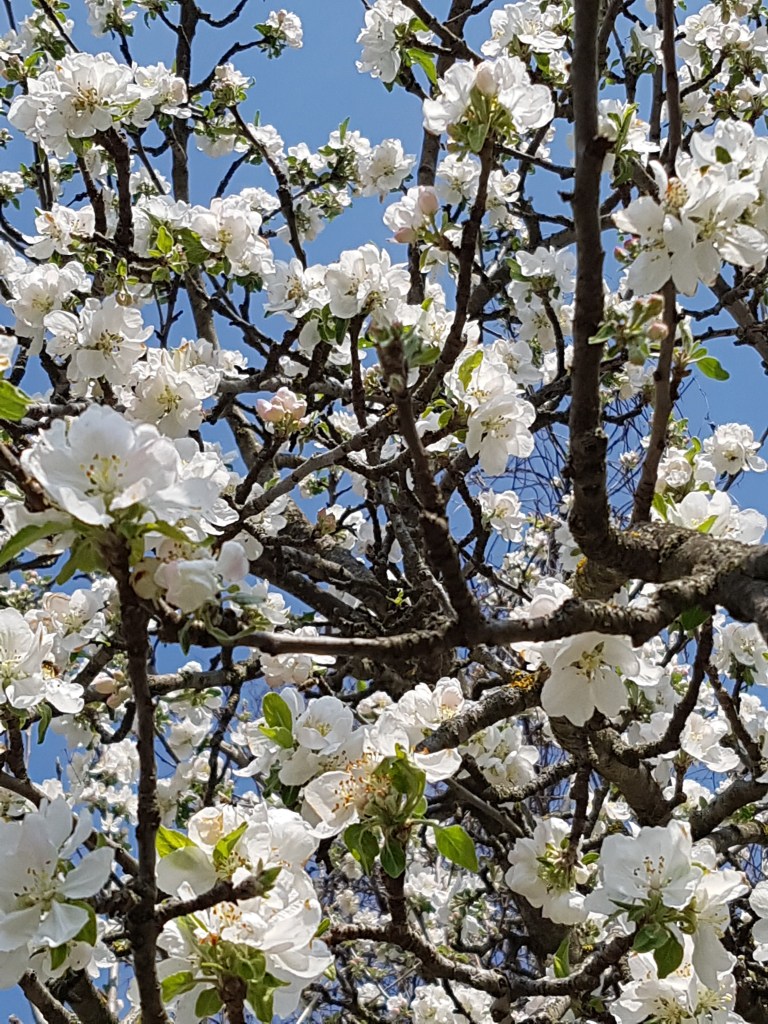
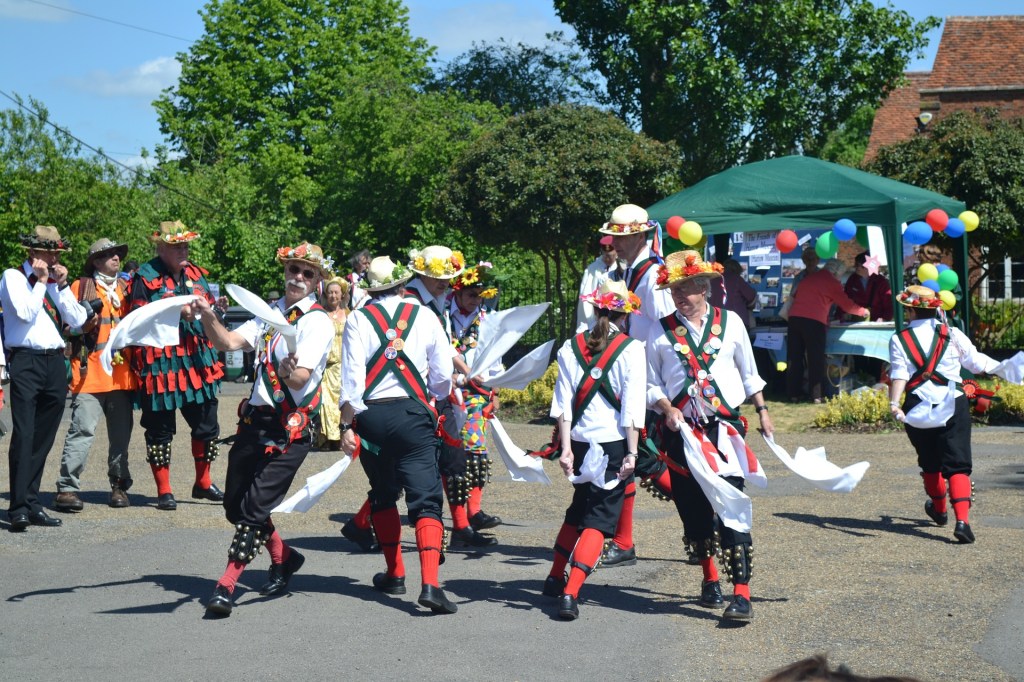
Traditional English May Day celebrations include Morris Dancing, crowning a May Queen, and dancing around a Maypole.
Celebrations in Hungary

In Hungary, people will spend the day relaxing with family and friends. Some still attend a union or workers’ parade event to celebrate the advancement of workers’ rights.
In usual circumstances (pre-virus) it is a day off for the general population, and schools and most businesses are closed.
The first day of May sees the village tradition of maypole mounting and May-basket giving, which still plays a significant role in the celebrations. Rural villages of Hungary still carry out these ancient rituals today. I found a beautiful description of traditional May Day celebrations and how Hungarians still celebrate these customs here: https://evsengranada.blogspot.com/2017/06/may-tree-tradition-and-easter-in-hungary.html
Our village like many others in rural Hungary decorates trees with ribbons to celebrate Labour/May Day.


How do you celebrate Labour/May Day in your country?
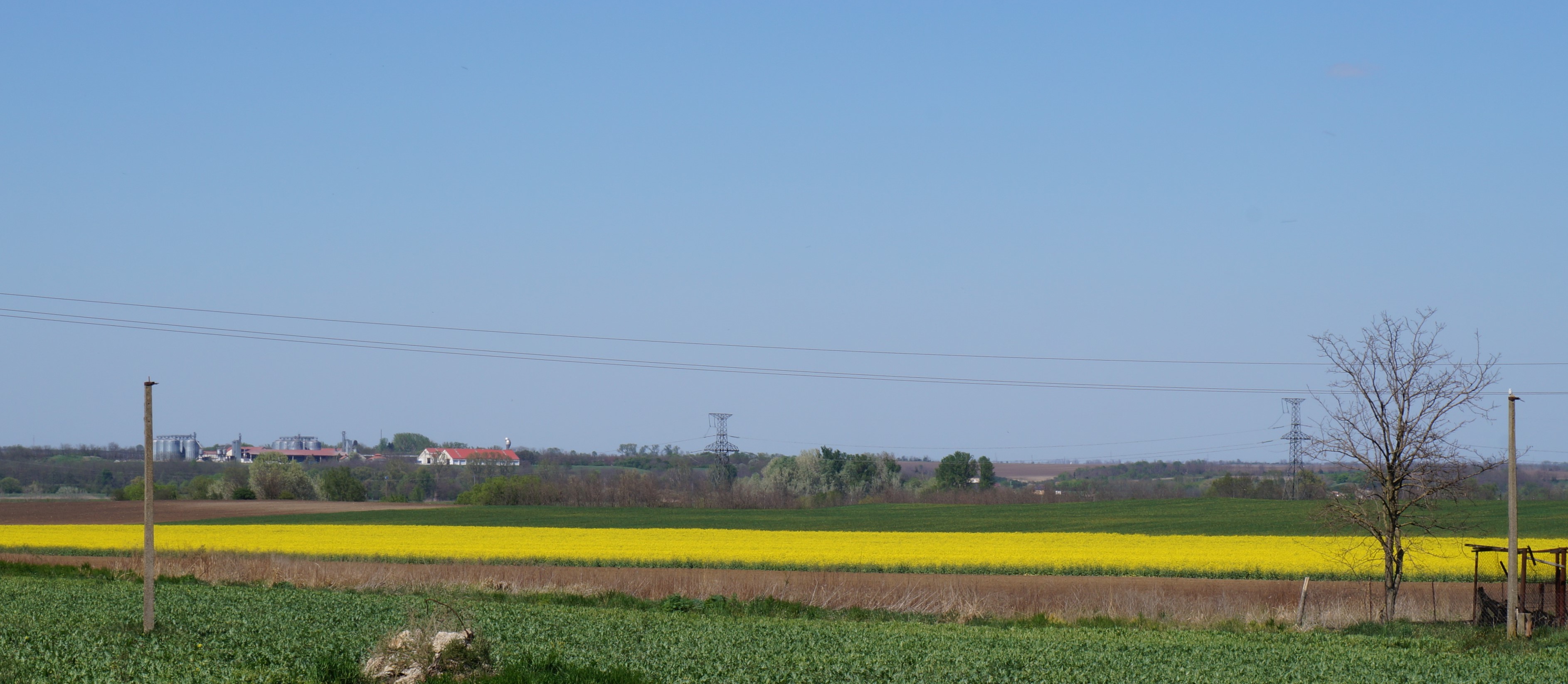
On one of our fortnightly shopping trips, I took my camera with us in case of any photo opportunities along the way. Our first stop was a beautiful stunning sight, fields of yellow canola. The flowers are reaching peak bloom now and look like a vibrant yellow carpet. After flowering, canola produces brown oil-rich seeds when ground up, these seeds give an oil that is widely used for cooking and high-protein meal used in animal feed. Hungary has many of these fields.


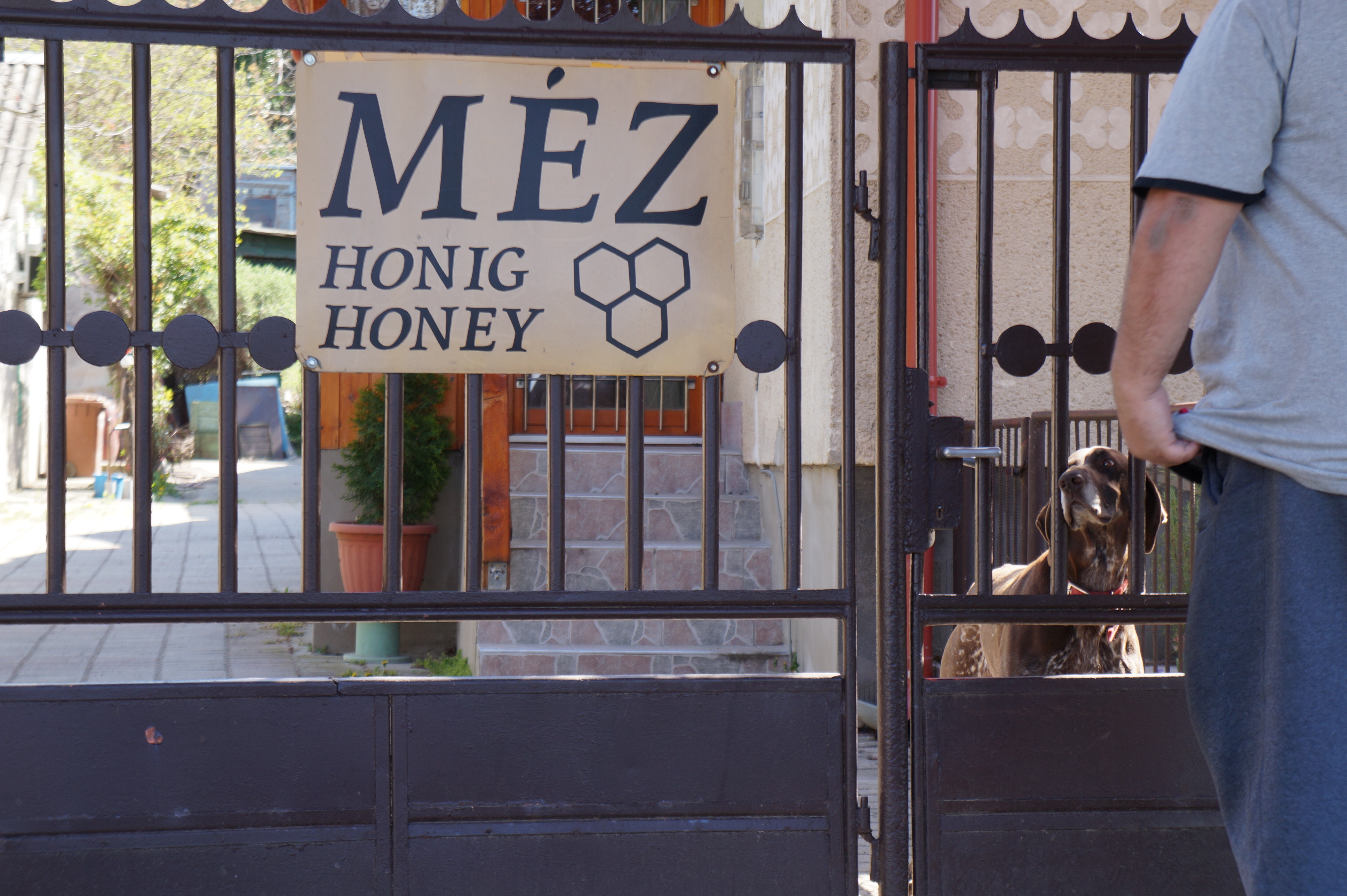
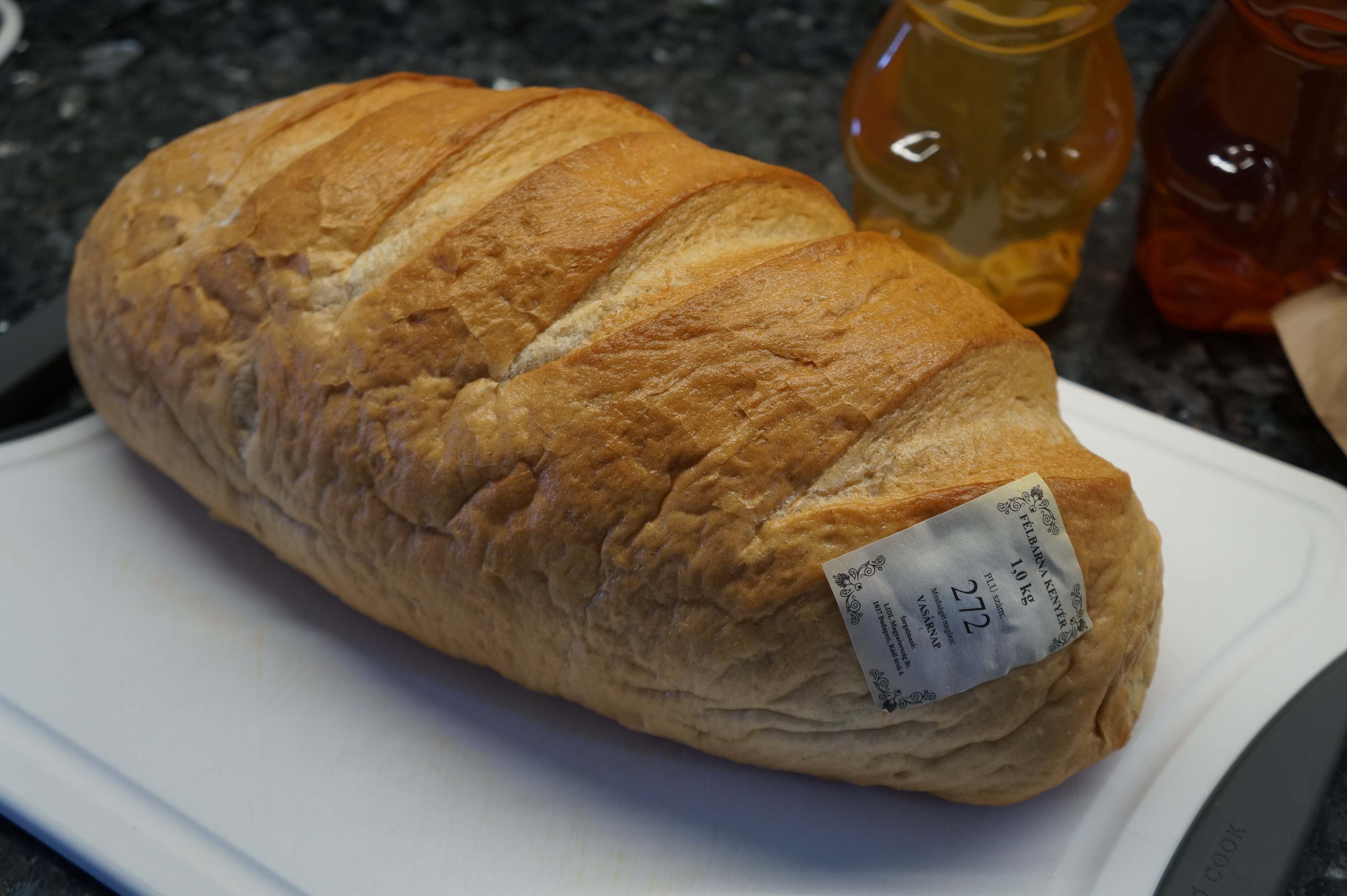
Next stop, at a safe distance we visited the local beekeeper. His bees are in our village forest and we wanted to buy the honey made from these particular bees. What a treat, glorious rich tasting honey on hot buttered toast. I am still slightly amused that Hungarians put price stickers actually on the bread.

Shopping completed, we took a tour up into the hills of Simontornya. The roads are mainly dirt tracks but well worth the effort for the glorious views across the valley. From our vantage point, we could see Simontornya church and the Renaissance castle next door. If you would like more information about the castle see here https://en.wikipedia.org/wiki/Castle_of_Simontornya
Grapes seem to grow in every available space on the steep banks, this is a prolific grape growing area, the conditions are perfect.


Further up the valley and many twisty roads later we came across some very pretty winehouse’s. They are traditionally very small, usually with some sort of accommodation at the top and the cellars and winemaking equipment in the cellars.


It was certainly good to get out and about during this restrictive time. Clear blue skies and wonderful fresh air with rising temperatures, it’s such a joy living in this beautiful country.

We have been living in Hungary for over two years now and have come to realise that lots of things here are very different from England. They are not bad things they are just different, I guess Hungarians arriving in England would think we have some pretty strange practices too!
1. Hungarian Christian names are regulated by Hungarian law.
New parents are bound by a naming law when it comes to choosing what to call their children. Names chosen must come from a pre-approved list and any deviations must also be officially approved. I did wonder why so many people were called the same name, now I know why. Each day of the year is given its own name, and with it an excuse for a celebration for anyone called by that particular name. The most common boys name is István, meaning Stephen in English. The most common girls name is Erzsébet meaning Elizabeth in English.

2. What are Ruin Bars?
I am told (although not had the pleasure yet) that a visit to a ruin bar (or pub) is a must. These bars are located in Budapest’s old District VII neighbourhood (the old Jewish quarter) in the ruins of abandoned buildings. The pubs or Kerts as they are known in Hungarian, sit inside the many bombed out and bullet marked ruins of buildings. Szimpla Kert was the first ruin bar and remains iconic. It has the original ruin pub traits, strangely mismatched furniture that’s seen better days, disorderly artwork on the walls and a garden for you to enjoy a beer. http://en.szimpla.hu/szimpla-garden/about-us
3. You can have a beach holiday in Hungary.
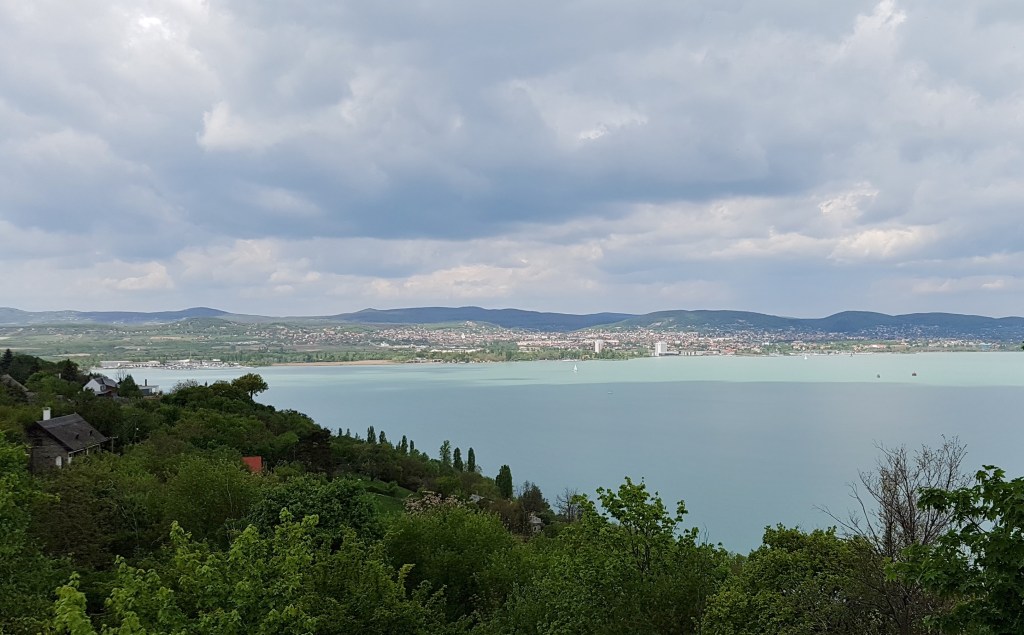
I was surprised to learn that you can have a beach holiday in this land locked country. We are 40 minutes drive from Lake Balaton, often affectionately called the “Hungarian Sea” by Hungarians. Lake Balaton is also the largest freshwater lake in Europe. Beaches are mainly grassy, but many resorts have artificial sandy beaches. There are dog friendly beaches too. The beaches and resorts around Lake Balaton are open from May to October and boast a huge range of activities. The major towns around the lake come alive during the summer season with a vast array of activities on offer, water sports are particularly popular – sailing, water skiing, canoeing and windsurfing, to name but a few. If you are there in the winter months you can have a go at ice skating on the frozen Balaton. It is a truly beautiful vibrant area.
4. Surname (family name) always comes first.
I discovered that all the numerous official forms we had to complete, residency, driving licence, hospital forms, your surname is put first, unlike in England where your christian name goes first. This took a bit of getting used to in the verbal context, particularly if we were waiting to see a doctor and they shouted our surname first, I was not quite tuned in to that name format. Eventually, we have become accustomed to this although it still proves problematic sometimes on social media! I am not always sure which is the christian name. Some of the younger generations put their christian name first. My assumption is that there are so many people with the same christian name in Hungary it is easier to use the surname first purely for identification purposes.
5. Additional letters to the alphabet.
The people of Hungary have an extended alphabet. The Hungarian alphabet contains 44 letters. No fewer than four versions of the letter ‘O’ are found in the Hungarian alphabet, and there are several combined letters including Dz, Dzs, Gy, Ly, Ny, Sz, Ty, and Zs. I have discovered on my journey to learn the second hardest language in the world (Mandarin first) that word order is often flexible, making my sentences sometimes nonsensical! I had to start by learning the different sounds, then phrases, then the actual pronunciation. I am learning this new language slowly, a necessity to be able to enjoy Hungarian life to the full.

6. It is considered rude to clink beer glasses.
The most mysterious custom in Hungary, is that Hungarians never clink glasses full of beer. The most widely known explanation seems to be that the Austrians celebrated their victory over Hungary in the 1849 revolution, drinking glasses of beer whilst 13 Hungarian senior generals were executed. It is said the Austrians clinked their beer glasses after each execution. As a result of this, Hungarians vowed never to clink beer glasses and say cheers for 150 years. That time has passed now, but the custom continues, particularly with the older generations. It is considered to be rude and insulting to Hungarians.

7. Did you know?
You have probably heard about the Rubik’s cube, but did you know that it’s a Hungarian invention? Ernő Rubik created the Rubik’s Cube and it is widely considered to be the most popular toy ever made. More than 350 million of them have been sold worldwide since it hit toy shop shelves in Budapest in the 1970s.

8. Good Manners whilst drinking in Hungary.
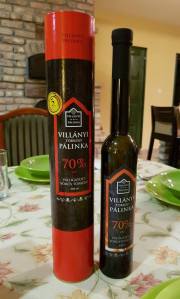
Hungarians are pretty heavy drinkers, they will not dispute this! If you’re lucky enough to be visiting a Hungarian family for a meal, there are a few things you should remember. The most important thing is that if you are ever offered a shot of pálinka (fruit brandy) you must drink it. Hungarians are very proud of their national drink and often make it themselves. It is considered rude to refuse it. Finally, the last thing that I find unusual is when your glass is topped up it’s considered rude not to look the other person in the eye when saying – ‘Egészségedre’ or in English cheers!
So there you have it, interesting things that I have noticed about Hungary, the people and their differences. I do know that Hungary is a very warm, welcoming nation and learning about their culture is fascinating.
If you are an Expat like me, does your ‘new country’ have many differences from what you are used to? I would be interested to hear them.
 Making Hungary Home